8 packaging mistakes brands must avoid
Receiving a well-packed package after online shopping is an exciting experience. It makes the customers happy and appreciative of the effort and thought a brand put behind its packaging. Packaging is one of the key factors that helps sell a product. If customers receive damaged packages repeatedly, they may even stop shopping from the brand altogether. A similar outcome might ensue if the customer likes the product but finds the packaging a hassle.
8 lesser-known packaging mistakes to avoid
Avoid the wrong size of packaging
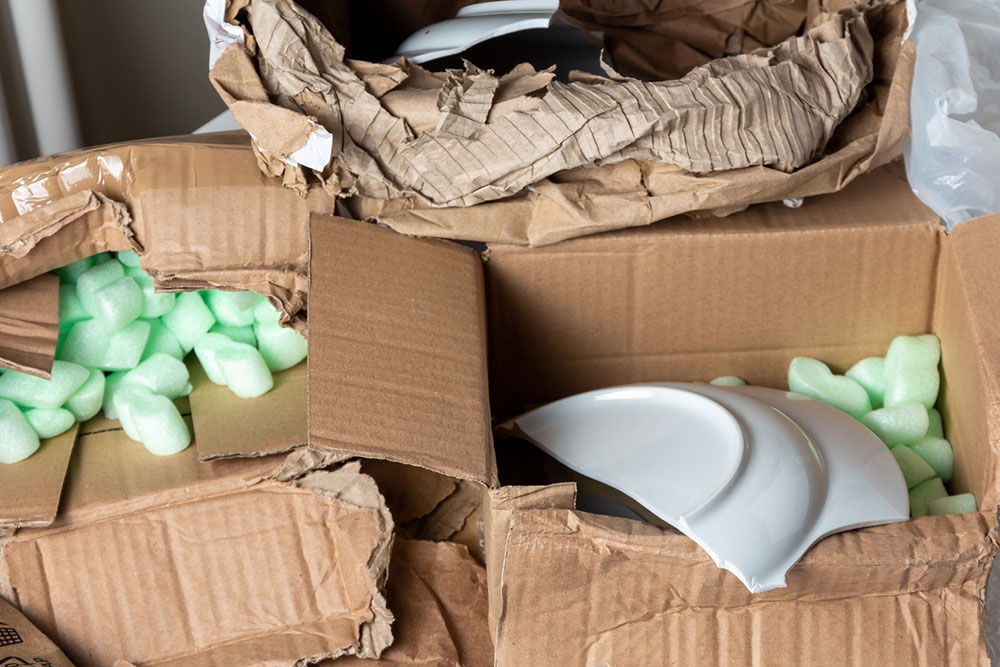
It is far more common for brands to get the size and shape of the packaging wrong than one would like to believe. Not only does this incur wasteful expenses, but it also leads to other issues. If the packet size is bigger than it needs to be, it leaves a lot of room for the product to move around and cause potential damage. For example, if glass containers are packed in extra-large packages without adequate padding, they are likely to keep shunted around and breaking. On the other hand, when the packaging is smaller or tighter for a product’s size, it can also cause defects. Businesses might use a too-small box, multiple layers of bubble wrap, and extra packaging peanuts to keep the product tightly locked in place. This extra precaution might put excessive pressure on the item and cause bends, dents, cracks, or tears.
Poor labeling
Correctly labeling products is crucial when it comes to product packaging. Brands have to follow some rules and regulations to be able to market and sell their products legally in the country. These rules and regulations are easy to check and follow. Checking the authority body’s website for information on packaging requirements helps businesses correctly identify the information they need to add to the product package.
Wasteful packaging
Studies show that more and more consumers are increasingly concerned about the impact of wasteful packaging on the environment. Add in the economic impact of the packaging, and the concerns are higher. Today, any business that packages their products wastefully is not the first choice for customers. Consumers want brands to cater to their needs but be environmentally conscious as far as possible. This could mean businesses and brands might need to put some time into rethinking and redesigning their packaging, but the decision will be helpful for the brand in the long run.
Overpacking
Check most of the successful brands and their packing styles. The ones who know how to do it right would know the right amount of packaging. Excessively packaged goods only mean more waste generation and time taken to open them and customers are rarely impressed by either aspect. To win customers over, brands need to keep their packaging minimal and essential. Additionally, it ensures that the packaging is less likely to damage the environment.
Low-cost option
Startups, as well as settled businesses, are always looking to increase their profit margins. Some might even be ready to cut corners to achieve their goals. This could mean quantity over quality of product, lower shelf life, and poor packaging. One would be surprised to know the number of brands that compromise on packaging quality once they have earned a customer base. However, once a brand’s reputation for using poor packaging materials becomes known, it is tough to earn the goodwill of the customers back.
Non-recyclable materials
Plastic and styrofoam are some of the primary packaging and shipping materials that brands use. However, both these materials are environmentally harmful. With more and more consumers gravitating towards environmentally friendly brands, this can impact the brand’s profit margins and their customer base. Since brands that use recyclable and reusable packaging material are preferred, switching to eco-friendly packaging can help generate a higher e-commerce shopping base. Some of the alternative packaging materials available are made from biodegradable organic substances or cardboard shipping boxes that are easier to recycle and reuse.
Copy mistakes
Another mistake brands make is not taking enough care of the copy on the product packaging. Brands should take care not to let typing errors slip by and put poorly checked copies on their packaging. It allows the customers to believe that the brand team is careless about the product, and they may eventually stop investing in it. So, it is advisable that brands recheck and triple the branding and any written information on all the packages and marketed goods before sending them out of the factory, lest the typo leads to misinformation and results in the possibility of any harm to customers, especially in the case of food and beverage products.
Generic packaging
Generic packaging may not be attractive to customers. If brands feel that they lack experience with branding and messaging, they can consider hiring professionals to help them out. For a business to be successful, the products or services, along with the packaging, need to attract a good and loyal customer base. Users often buy products based on social media ads or pictures seen on various media formats; boring and uninspired packaging may not attract them toward the product, no matter its advantages. However, it is a delicate dance. Simply selecting an elaborate logo design might not do it all. The packaging needs to strike a balance between aesthetically pleasing and practical.