8 mistakes to avoid when using a toothpaste
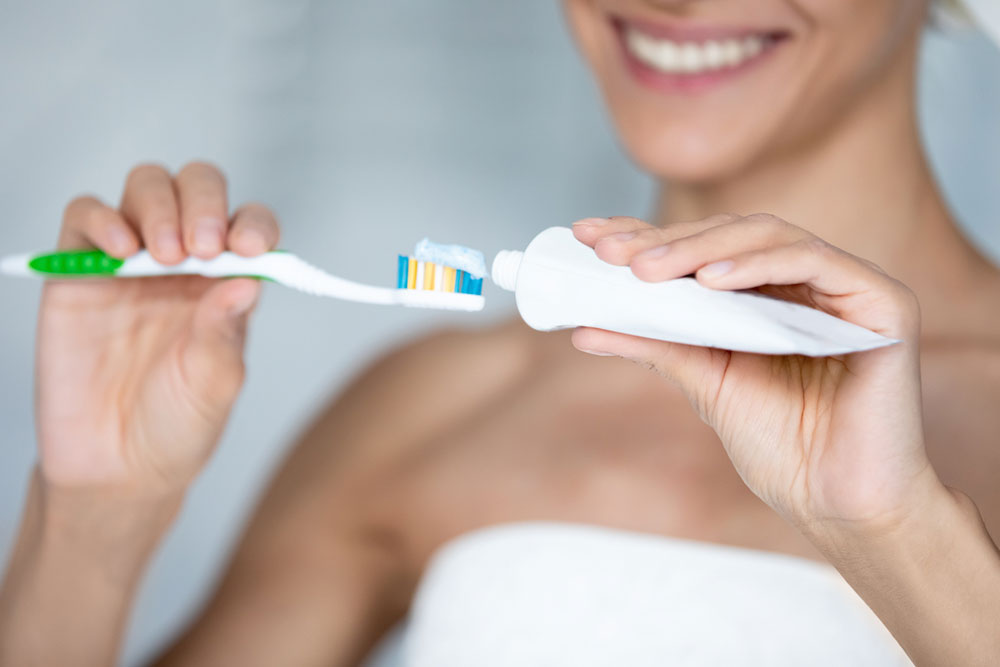
A dental hygiene routine is incomplete without using toothpaste. While it seems quite easy to use toothpaste, many people commit a few mistakes that can put their dental health at risk. These mistakes involve not checking the label of ingredients, using too much whitening toothpaste, etc. Toothpaste generally contains several compounds and chemicals that might harm the teeth and overall health. So, one must watch out for these harmful ingredients for better dental hygiene.
1. Not paying attention to the ingredients
Every brand has a different list of ingredients that they use to make their range of toothpaste. Some of these ingredients might not be suitable for every person. For example, certain toothpastes contain sodium lauryl sulfate (SLS), which usually helps to build up the soapy foam consistency. For some people, this ingredient may trigger irritation. Besides this, many toothpastes contain fluoride. Some percentage of this compound is considered essential in toothpaste for the prevention of cavities. However, some people may have fluoride sensitivity, which can trigger allergies or other symptoms if they use fluoride-based toothpaste. So, in such cases, fluoride-free options are more suitable. This is why it is important to always check the label for the ingredients and know whether all of these are safe for use.
2. Using a large amount of toothpaste
It is generally a misconception that using more toothpaste can help clean the teeth better. But this is not true. Using a large quantity of toothpaste every time during brushing causes too much foaming. So, a person ends up spitting out the toothpaste too soon before the ingredients can do their job of cleaning the teeth. Aside from this, it also reduces the effectiveness of the ingredients. Usually, adults need only a pea-sized amount of toothpaste for effective cleaning. In the case of children, less than a pea-sized is just enough.
3. Rinsing the toothpaste out immediately after brushing
For many people, spitting out the toothpaste and rinsing the mouth instantly after brushing is a common habit. This is a mistake because it washes out all the essential ingredients. These ingredients need some time to clean the teeth and form a protective layer. Rinsing immediately means the ingredients do not get enough time to be effective. To avoid this mistake, spit out the excess toothpaste and let the residue stay in the mouth for a couple of minutes. Once this is done, one can rinse and cleanse the mouth.
4. Not brushing for long enough
Along with letting the toothpaste sit on the teeth for a couple of minutes, brushing the teeth for a long enough time is equally important. It is usually recommended to brush the teeth for at least two minutes, but most people often fall short of this. Not allowing the toothpaste to move around the teeth with the brush means food particles and plaque are left behind. Using a timer or an electric toothbrush with a built-in timer can be a good way to ensure that one brushes for a sufficient amount of time.
5. Not changing the toothpaste according to changing requirements
Dental needs can change with time as well as age. For example, one may suddenly develop tooth sensitivity. Or someone may need to control tartar buildup. Besides this, one may also have weakening gums as they approach senior years. In all these different situations, it would not be helpful to use the same toothpaste all the time. For many people, sticking with the same toothpaste becomes a habit. This is a mistake. The toothpaste must change based on the different requirements. For this, getting periodical checkups and seeing how dental needs have changed is important. Based on these, one needs to periodically switch their toothpaste, which will help to manage the current oral health issues.
6. Using too much whitening toothpaste
While it is important to change one’s toothpaste based on changing needs, some types, like whitening toothpaste, should be used cautiously. Over the years, these have become quite popular to get rid of stains and achieve brighter and whiter teeth. But these toothpastes typically contain quite strong abrasive ingredients. A regular use of whitening toothpaste can easily wear off the tooth enamel. As a result, the teeth will become more sensitive. There will be a higher risk of decay and cavities. To avoid these risks, it is usually recommended to use whitening toothpaste only once in a while. Furthermore, one can also look for alternatives to achieve the same result after consulting a dentist.
7. Using a toothpaste that has expired
This usually happens when one buys a toothpaste package that is too large and the number of people using it is too few. The toothpaste ends up lasting for several months, which may typically go beyond its expiration date. As a result, the effectiveness of the ingredients may start to decline, and one may not get the full benefits of using the toothpaste.
8. Not storing the toothpaste properly
To maintain the toothpaste’s effectiveness, it is important to store it properly. Keep it in a cool and dry place, and avoid storing it in a hot and humid environment. Besides this, ensure that the cap is always tightly closed so that the paste does not dry out and there is no contamination.