8 mistakes to avoid when buying an RV
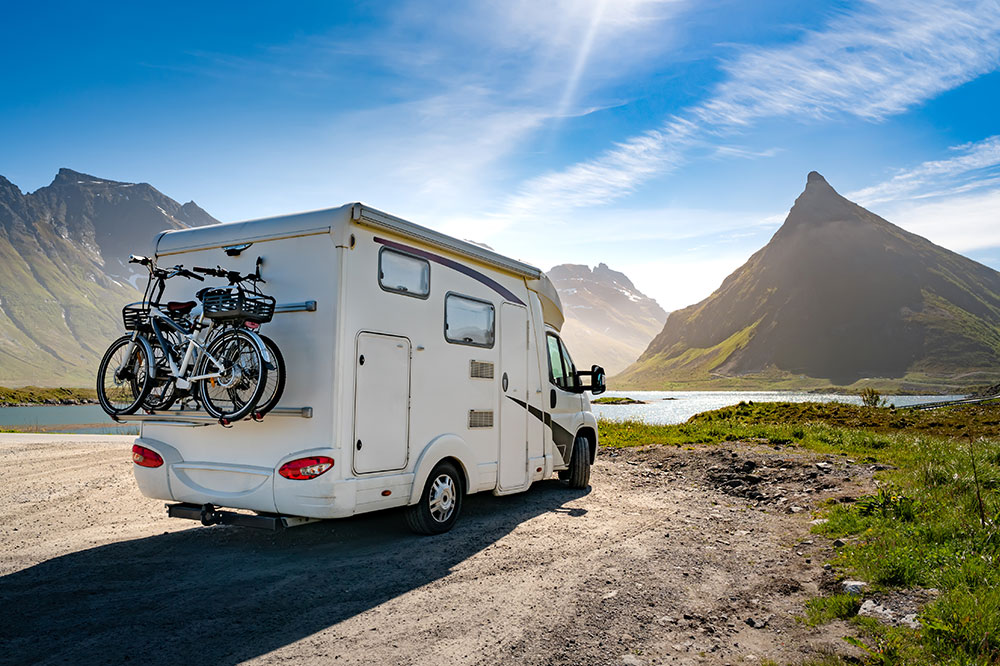
Traveling by road to a destination requires a lot of planning to ensure the trip is worth it. It isn’t about simply getting to the destination but also about how convenient and comfortable the journey is. Here’s when purchasing a recreational vehicle (RV) equipped with accommodation facilities, such as a living room and cooking space, comes in handy. But since investing in an RV is a significant decision, here are eight purchasing mistakes to avoid.
Buying the wrong size
The common belief is that buying a bigger RV is always the best choice. But there’s a lot more to it. Before purchasing an RV, selecting an appropriate size to suit your needs is essential. Remember, larger spaces will require more upkeep and towing power and are usually challenging regarding maneuverability. One of the best ways to avoid buying the wrong size is by consulting with friends and family who have rented or used RVs and asking them to share their experiences. Consulting with an authorized dealer is another way to avoid buying an RV that does not suit your needs.
Overlooking pre-owned models
While the smell of a brand-new vehicle is something that most people love, there are better options than buying a new automobile. Buying a brand-new RV and driving it out of the lot loses its market value. On the flip side, a preowned RV might help you save a lot of money because they are usually available at a much lower price. Furthermore, several preexisting RV owners take good care of the vehicle, so you might even get one requiring fewer repairs and maintenance. Moreover, instead of buying a new or preowned RV, you could also look for companies that rent it out. This way, you do worry about storing the vehicle and only pay for the time you need it.
Not considering the vehicle height
One of the biggest mistakes people make while purchasing an RV is not considering the vehicle’s height. When you drive an RV, you might be required to follow a set of road rules imposed by the authorities in that region. One of the guidelines in this regard is height maximums due to certain factors, such as low bridges in an area. Therefore, if you are about to purchase, check the vehicle’s height. For example, if you are going on a road trip but purchase a vehicle taller than the approved height regulation, you might not be able to take the desired route. Furthermore, the authorities might also levy a penalty.
Neglecting the towing of the vehicle
You could buy the most expensive and feature-rich RV on the market. But it would only be worthwhile if you account for the vehicle needed to tow the trailer. There are various factors to remember in this regard. For example, RV options like travel trailers and fifth wheels usually require a towing vehicle to move around from one place to another. Moreover, you should also check if the tow truck can haul the entire weight of the trailer when loaded with all your stuff and other utilities.
Poor storage planning
Another common mistake people make isn’t about purchasing an RV, but rather, not planning on ways to store the vehicle. The trailer could help travel across multiple destinations in the country. But they may need help when it’s time to put the recreational vehicle into storage. So if you need a personal parking space for the gigantic trailer, you might have to look for parking spaces, which are usually expensive. Therefore, remember to look for the most feasible parking spaces and rent them before driving an RV out of the lot.
Rushing the purchase
Buying an RV is an exciting occasion. But do not let this fact rush you into making a purchase. Several people hasten their decision and buy the first RV they come across at a dealership. But in doing so, they may end up with an option that is inferior and also makes them feel enforceable in the long run. Therefore, ensure that you take your time when looking for an RV. Consider all the options before selecting the right one for your needs.
Not conducting research
Another common RV purchasing mistake most people make is not conducting research. And this may lead to buying something completely different from what they need. The market has various RVs, including motor homes, travel trailers, and fifth wheels. The options are further categorized based on the year of manufacture, model, features, and brand. These factors make it essential to research each type before deciding. Furthermore, you should also make a list of all the things that you need in the trailer. Doing so could help you get the best option for your requirements during purchase.
Avoiding asking questions
While you may have researched well, asking the dealership questions about the recreational vehicle is essential. The professional could help clear several doubts about the RV that you may not have been able to find the answer to online. For example, you could ask them a few questions about the features that come standard with the RV and its total cost on the road. You could also ask the sales professional about the warrant and maintenance coverage and if there are available deals and discounts on the purchase. You could also enquire about the financing options, which may help you own an RV by splitting payments over several months. Apart from asking questions, you could also read online reviews or watch videos about other customers who share their experiences regarding a particular RV. This is one of the best ways to make a more informed decision.