8 foods to help improve fertility in men and women
Often, people incorrectly believe that low fertility is incurable. Fortunately, years of extensive scientific research have found that the foods one eats, or lifestyle habits can either enhance or debilitate fertility. Maintaining a good food regime can, over time, restore fertility levels in people. This is because of the nutritional value of specific foods that directly bring about positive changes in a person’s reproductive health. Thus, here are some foods that improve fertility:
Oatmeal
Everyone’s favorite breakfast, a warm bowl of oatmeal, is also a wonderful fertility enhancer. Studies have found that high-fiber carbs that have a low glycemic index are positive for fertility growth. Oatmeal is loaded with these kinds of high-performance carbohydrates. At the same time, one also needs to be careful. The glycemic index of carbohydrates is linked with a given food’s ability to raise or lower one’s blood sugar levels. So, while low glycemic index-based foods lower a person’s blood sugar levels, high glycemic index-based foods make that level rise. Sugar is associated with fertility issues. Thus, foods like oatmeal should be consumed in moderation or you should have sugar-free oatmeal, if possible, to attain all of their benefits while sidestepping their problematic aspects.
Spinach
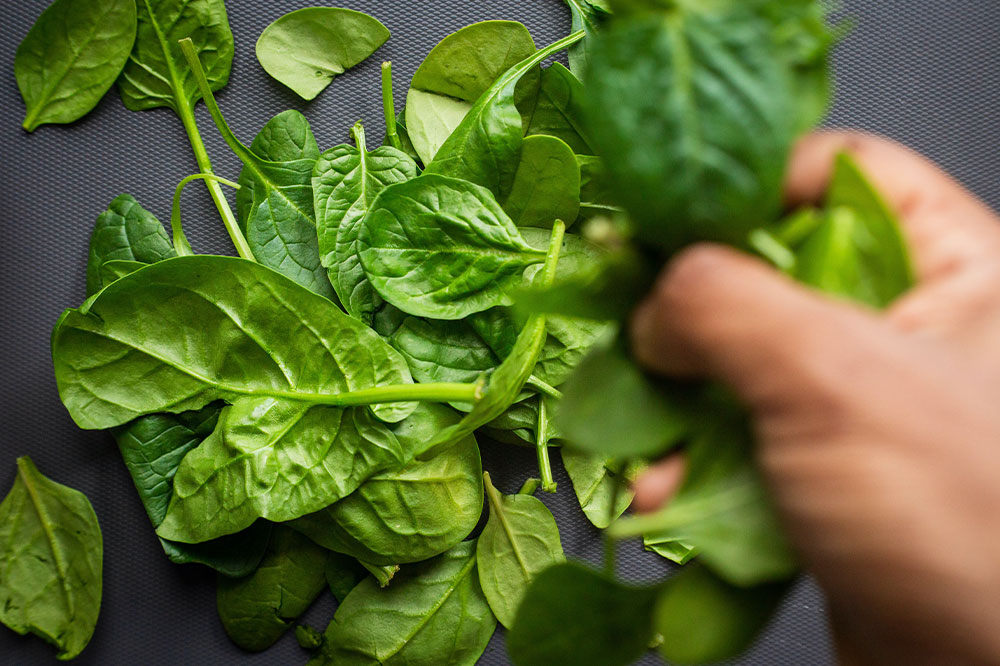
Leafy green vegetables have countless health benefits, which is why they regularly feature on nearly all “best foods” lists, and that trend continues for this list as well. Leafy green vegetables such as spinach, broccoli, kale, and Swiss chard contain large amounts of essential prenatal nutrients, such as iron, calcium, and folate. While iron is vital for preventing menstrual problems in women, folate protects them against birth defects in the brain and spine that usually develop in the first few weeks of pregnancy. Healthcare experts actively advise people suffering from infertility to eat plenty of folate-rich foods, such as spinach, to improve their chances of conception.
In addition to these benefits, leafy green vegetables are also rich in antioxidants. These elements help reduce inflammation in people, which is another cause of infertility in people.
Sardines
Sardines, like many other fatty fish, are loaded with DHA omega-3 fatty acids and high-quality protein, both of which are useful to boost and maintain their consumers’ fertility. In fact, a 2018 scientific study found that couples who consume more sardines and other fatty fish have much better reproductive health and are much likelier to conceive than couples who do not.
However, one still needs to be careful while consuming fatty fish. Many kinds of fatty fish contain mercury content, which can lead to dangerous health issues. Exposure to too much mercury can increase one’s risk of developing congenital diseases. Sardines are on the lower end of the spectrum when it comes to mercury content. Therefore, consuming sardines is recommended to improve fertility and stay away from health issues.
Full-fat milk
Dairy-based foods are generally linked with higher inflammation and, thereby, reduced fertility. However, these foods have been found to have countless health benefits too. One such benefit is the combating of inflammation and improving fertility in other ways in people. For women with ovulatory infertility, which is the condition in which they do not release an egg for fertilization to take place, full-fat milk can increase their chances of conception. Instead of consuming fat-free foods, one needs to drink full-fat milk and consume other full-fat dairy products to reduce the risk of further developing ovulatory infertility. Additionally, the other health benefits of full-fat milk are known already. Some of them include a high intake of proteins and healthy fats.
Tomatoes
Fertility issues are just as concerning for men as they are for women. In fact, certain research studies have found that infertility affects exactly 50% of men as women. If one is a vegan and wants to boost their fertility, then consuming tomatoes is a surefire way to do so. Tomatoes are ideal for men with infertility issues as the fruit contains a fertility-boosting antioxidant named lycopene. Therefore, tomato-heavy foods such as garden tomato sauce enable the body to absorb more of this antioxidant. Other than tomatoes, one can get their share of lycopene from other sources like watermelons, red peppers, and apples.
Avocados
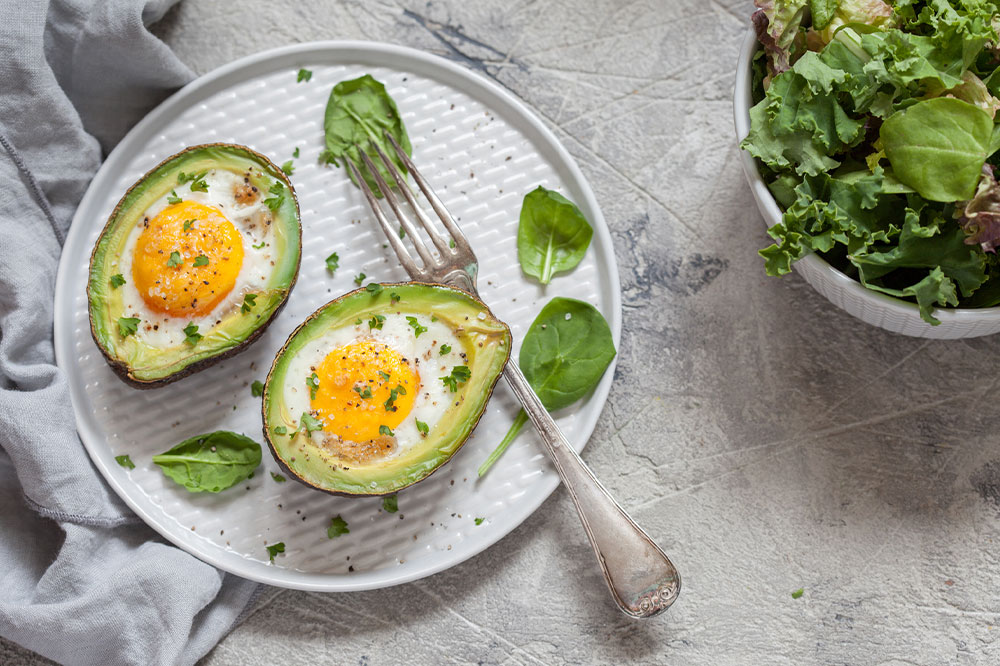
Avocados are just as healthy as the leafy greens mentioned earlier in this article. This green-colored fruit contains large doses of vitamin K, which improves the body’s capabilities of absorbing nutrients and maintaining hormonal balance. While avocados are high in calories, they are also rich in potassium, a key component that helps people regulate their blood pressure better. Avocados are known for their fertility-boosting elements as well. This is possible due to avocados’ high vitamin E quantities. Vitamin E helps stabilize and protect one’s cells from oxidative damage, a common cause of PCOS and diabetes, two major fertility reducers, in women.
Quinoa
Whole grains are highly recommended for people with middling to low fertility levels. Generally, quinoa is considered to be healthy by healthcare professionals due to its high fiber content, which improves peoples’ motions, digestive health, and fertility all at the same time. Constipation is a massive problem for women during their period. Consuming high-fiber foods such as quinoa can help reduce the possibility of constipation and discomfort associated with periods for women.
Blueberries
Like leafy greens, berries are also incredibly healthy. Therefore, they regularly feature in such lists alongside other healthy foods. Blueberries and raspberries are full of anti-inflammation antioxidants such as phytonutrients. This element helps boost the fertility aspect in both men and women. Additionally, berries are rich in folate and vitamin C too, both of which are instrumental in improving peoples’ reproductive health. What’s more, berries help people lose weight and increase their fiber intake. Both these benefits increase a women’s chances of conceiving and having a healthy pregnancy period too.
Apart from these, there are many other foods that boost one’s fertility, too, such as sweet potatoes, beets, Greek yogurt, salmon, walnuts, eggs, and pomegranates.