8 Foods for Healthy Hair, Skin, and Nails
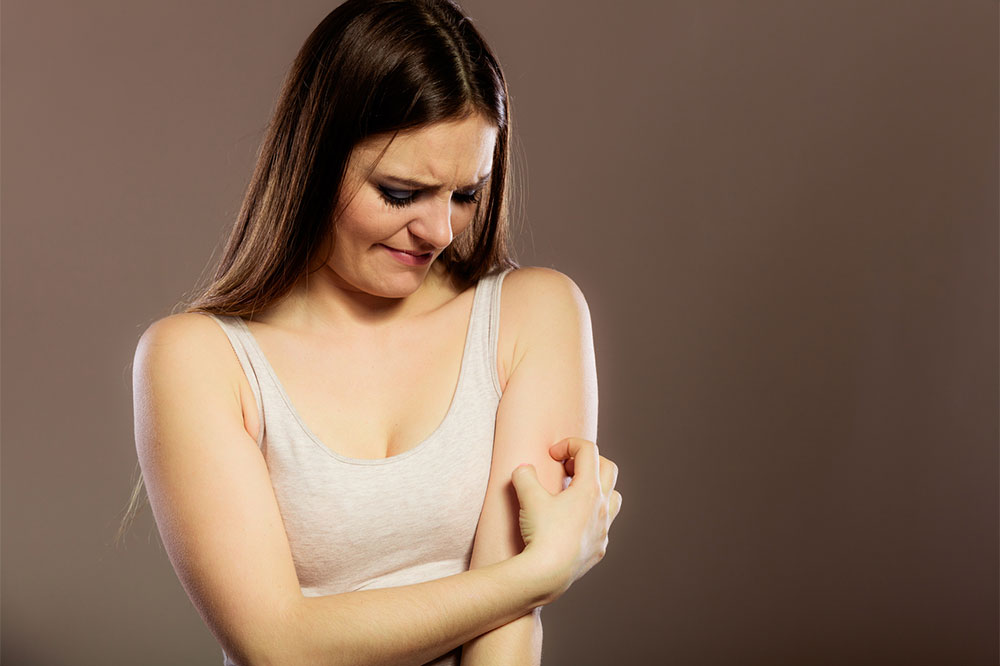
For most people, achieving healthy hair, skin, and nails involves visiting a beauty salon for cosmetic treatments. However, it’s crucial to remember that what we put inside our bodies is more important than what we put on them. Thus, consuming nutritious food is vital to provide the body with the necessary minerals, vitamins, and nutrients for maintaining healthy skin, hair, and nails. Additionally, keeping the body hydrated by drinking enough water is equally crucial.
How does food impact hair, skin, and nails?
Skin, hair, and nails are made of different elements. For example, the fingernails and hair are made of keratin. So if keratin production is not regulated in the body, a person will have dull hair and brittle nails. In such cases, eating foods rich in biotin is usually recommended. It boosts keratin production in the body and promotes follicle growth.
Similarly, Vitamins A, E, and D, iron, healthy fats, carbohydrates, and protein are also essential for skin, hair, and nail health. When one eats foods rich in healthy fats, the body can lock in enough moisture making them radiant.
On the contrary, not eating foods rich in these nutrients can worsen the skin, nails, and hair condition. For example, it has been observed that eating foods that are low in carbohydrates can lead to hair thinning, making them brittle. Also, eating foods with a high glycemic index that causes a spike in blood sugar has been known to trigger skin conditions such as acne.
Thus, what one eats affects one’s hair, skin, and nails.
Foods for healthy hair, skin, and nails
Adding these nutrient-dense foods to the meal plan is not only good for the hair, nails, and skin but also good for one’s overall health.
Fatty fish
Salmon, halibut, anchovies, herring, mackerel, black cod, sardines, bluefin tuna, whitefish, striped bass, and cobia are high in omega-3 fatty acids. This safeguards the skin against sun damage. Moreover, it makes the scalp healthy, protects the skin from sun damage, and supports scalp health. These fatty fish are also rich in protein, iron, and vitamin B12. These can help prevent hair loss while making the hair look more vibrant.
Tomatoes
High in antioxidants, tomatoes are one of the best foods for healthy skin. Also, they are loaded with carotenoids, beta-carotene, lycopene, and vitamin C. These protect the skin against sun damage, allergies, and infection. One of the popular hacks to cool off skin after being in the sun for a long time is applying tomato peels.
Carrot
Rich in vitamin A, carrots promote healthy nails and hair growth. Moreover, they are rich in antioxidants that have anti-aging properties that help the hair retain its natural shine. In addition, carrots contain beta-carotene that protects the skin from sun damage and allergies.
Yellow and green bell peppers
One of the richest sources of vitamin C, yellow and green bell peppers are a great addition to meals for healthy skin. These veggies not only add color to one’s meal prep but also keeps the skin glowing and hair and nails shining naturally.
Nuts and seeds
Almonds, walnuts, sunflowers, and flax seeds add that extra crunch to salads and cereals and also aid in making one’s hair, skin, and nails healthy. This is because these are powerhouses of vitamin E. This vitamin has antioxidant and hydrating properties. As a result, one’s body will be protected from free radicals while one’s hair, nails, and skin will have complete moisture from within.
Eggs
Hair and nails are made of a protein known as keratin. Keratin production can be boosted through another protein known as biotin, and eggs are one of the richest sources of biotin. Moreover, it has tons of B vitamins that strengthen hair and nails and protect them from breaking easily.
Lentils
A perfect ingredient for soups, stews, and salads, lentils are one of the most versatile foods to add to meals. Chickpeas, pigeon peas, black-eyed peas, pinto beans, and red kidney beans are not just pantry stables for their versatility. They are some of the biggest sources of plant-based proteins. Also, they are packed with potassium, fiber, and iron. All of these make lentils one of the must-have foods for healthy hair, skin, and nails.
Oatmeal
A bowl of oatmeal in the morning can be a perfect power-packed breakfast to get through the day. In addition, it’s a great food to keep one’s nails looking healthy and the skin free of infections and allergies. This is because oatmeal contains copper, zinc, and B vitamins. These nutrients fight off inflammation, combat bacteria, and boost nail and skin health.
Blueberries
These berries are power-packed with high levels of antioxidants. These can help the body combat free radicals, thus protecting the skin from damage. Moreover, blueberries are rich in fiber and vitamin C, which can improve hair and nail health. So it is best to have berries during the morning breakfast or snack on them during the day.
Foods to avoid for healthy hair, skin, and nails
It is best to avoid the foods listed below for healthy hair, skin, and nails. However, if avoiding these foods is not possible, one can have them in moderation.
Sugary beverages
Soda, packaged juices, sweetened iced tea, and coffee with lots of sugar can be consumed occasionally. However, having them regularly can lead to health issues, including those related to the skin, hair, and nails.
Processed meat
These include ham, sausage, hot dogs, pepperoni, beef jerky, and deli meats. These are high in sodium and preservatives. Excess sodium in the body can lead to dehydration, causing the skin and scalp to become dry, itchy, and irritable.
Packaged snacks
These are high in sodium as well as refined sugar. As a result, having too many packaged snacks is bad for one’s health, including nails, skin, and hair.
Other foods to avoid are:
Candies
Cookies
Cake
Margarine
Instant noodles and soups