8 errors to avoid when filing tax returns
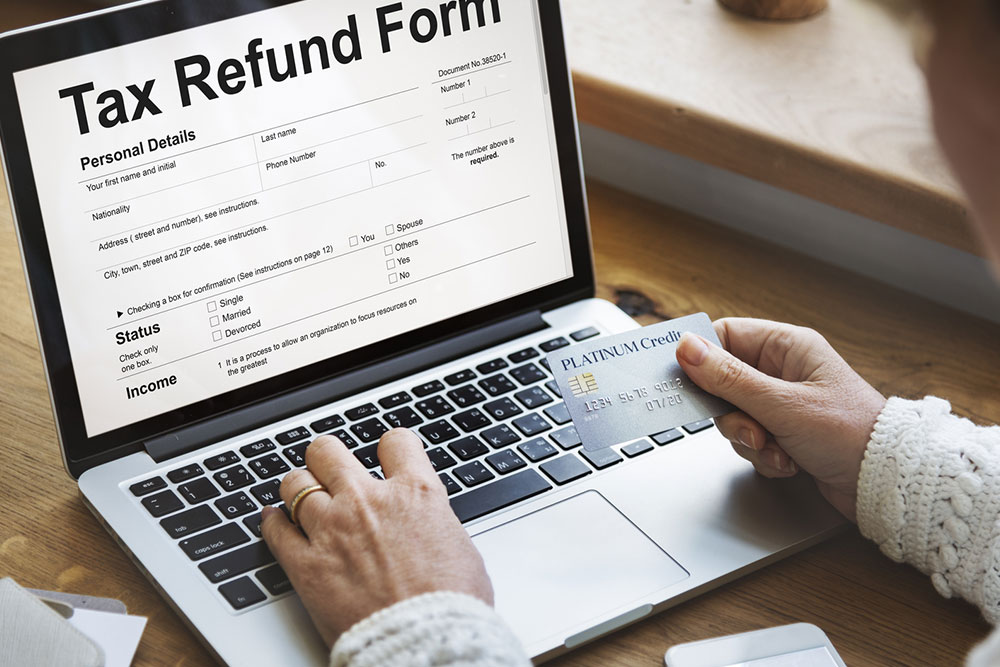
The Internal Revenue Service (IRS) issues strict guidelines each year to ensure each individual can file their taxes on time and with ease. However, most people who have never filed taxes before may find the task daunting. And this could lead to them making several mistakes. Moreover, those who have filed taxes in the past may also make certain filing mistakes. Therefore, here are eight errors one should avoid when filing tax returns.
Calculation errors
Tax filing is a process that people often rush through, which could result in one making calculation mistakes. Any error that includes basic subtractions, additions, or complex calculations could affect the tax filing process. Moreover, calculation mistakes could also affect an individual’s deductions and credits. So, it is important to carefully inspect each calculation before filing the return. One could always use dedicated online tools to evaluate credits and deductions properly.
Failing to verify returns
One may check all the boxes when it comes to filing returns but fail to verify the document when they file it online. This mistake could affect their entire filing process. The lack of a digital signature upon uploading the tax documentation would result in the IRS rejecting the claim. Therefore, one should ensure the documents are uploaded to the respective servers and e-signed on time. Some might prefer submitting their documents physically instead of electronically. In such cases, one should see to it that they sign and verify the documents by a financial expert before handing the paperwork over to the Internal Revenue Service.
Filing early
Getting things done before time is a good habit. However, it might not always work when it comes to filing taxes. While the rules and regulations for tax filing are usually the same, sometimes the IRS might make amendments and update forms. These updates might take some time to make it to employees via an organization. So, filing early could mean one misses out on vital changes and the older version of a form. This could cause their documents to get rejected and subsequently delay the returns process. Therefore, one should wait for a couple of days before filing for tax returns to ensure they have the latest information.
Filing too late
Apart from avoiding filing early, one should never delay income tax submissions. Doing so could result in the individual being subjected to late fees. That said, there is a solution for people who need to file after the deadline. All one needs to do is request an extension by filling out form 4868 before the tax-filing deadline to get more time. Taking no action could incur a 5% penalty on the amount due for each month or partial month that the return is delayed, with the maximum penalty capped at 25% of the due amount. Individuals who file late may also be liable for taxes outstanding after the deadline, even if they receive an extension. The IRS might levy a late-payment penalty – about 0.5% per month on outstanding tax that is unpaid by the deadline, with a maximum penalty of 25%. One should ensure their paperwork is submitted on time or that they file for an extension to avoid unwanted charges.
Submitting the wrong account number
There are various ways through which one can choose to receive their tax returns. Direct deposit has become the preferred transaction type because it is quick. All one needs to do is enter their bank account number and other relevant details while submitting the tax documentation. However, while it might seem impossible, there is a large number of people who submit the wrong bank account number when filing taxes. All it takes is a single extra, less, or wrong digit to affect the filing status. Typing in the wrong number may lead to money being rerouted to another account. If this happens, the IRS will reroute the amount back after corrections are made. However, it would mean waiting longer for the process to be completed. One should always check each digit of the bank account number thoroughly when filing for taxes.
Using an incorrect social security number
The IRS takes factors like social security numbers seriously when it comes to filing taxes. So, an individual who uses the wrong number could spend days trying to rectify the error with the department. The social security number is used to verify information submitted by the employee. Furthermore, the details are cross-verified against the information provided by the bank, employer, and other associated establishments. So, one must see that the right social security number is filled in to avoid their paperwork being held by the IRS.
Name errors
One could make mistakes when typing in their name while filing taxes. It could happen when one misses out on including their middle name or if they accidentally write their nicknames. The taxpayer and dependent names listed on the return should always match the ones printed on the respective Social Security cards. One should also note that any name change should be updated with the Social Security Administration to avoid unnecessary scrutiny and delays.
Selecting an incorrect filing status
Another common mistake noticed by experts is that people pick incorrect filing statuses. There are five types of status types one should remember when filing for returns. These include head of the household, qualified widow(er), married filing jointly, married filing separately, and single. These options help determine several factors, including the amount of standard deduction one is entitled to (if the person is not itemizing) and the appropriate tax credits and deduction forms. Therefore, selecting an incorrect filing status might hamper the tax filing process.