8 critical home renovation mistakes to avoid
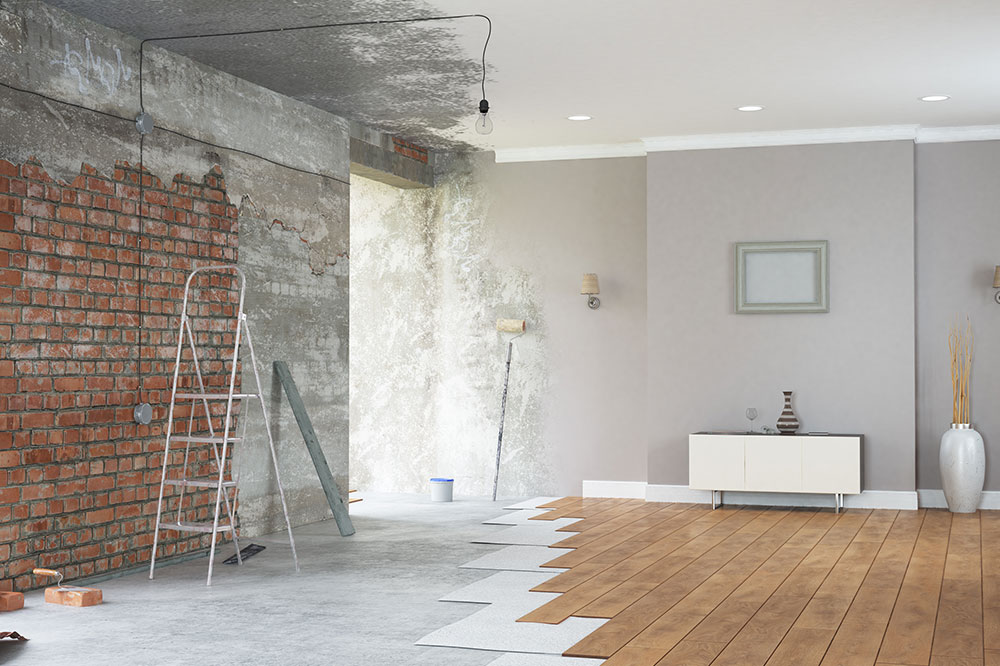
Home renovations are a major task, especially if you own a big house with a complex design. A lot of deliberation must be done before the project can even begin. Right from coming up with ideas to drawing a plan on paper, you need to consider multiple factors before hiring professional contractors for the job. Further, you must avoid making the following mistakes in planning and executing the home renovation project.
Miscalculating your budget
Everything costs money. Whether simple repairs or a complete makeover, you must be prepared to spend your hard-earned bucks. But that doesn’t mean you can’t set a realistic budget. Typically, a home renovation is estimated to cost 10% to 15% of the home’s total value. Whatever the estimate, always keep an additional 10% to 20% buffer over the agreed amount. Experts suggest this as a general rule of thumb for calculating the final cost. Material and labor rates keep fluctuating, so you might end up underpaying or overpaying depending on the extent of the job. The bottom line is never underestimate the budget, or you may fall short of the actual costs.
Neglecting the natural layout of your home
Home renovation is a complex job. It involves making significant modifications to the entire space, including the living room, bedroom, and kitchen. A big mistake homeowners make is that they don’t consider the existing layout and plan an extravagant renovation that doesn’t suit the blueprint. You can avoid this error by paying attention to your home’s natural architecture and then considering modifications that are subtle yet impactful. You don’t have to go completely overboard with the redesign. It’s always the little things that make a big difference.
Not paying attention to the home’s present condition
Layout aside, you must also consider the home’s present condition. Are the foundation and support structures strong enough to handle a major renovation? It’s important to plan a redesign that doesn’t weaken or compromise the structure. After all, you don’t want to double your expenditure by paying for additional repairs and restoration if the renovation results in expensive damages. Hire a qualified structural engineer for a home inspection and ask them to prepare a comprehensive report. Post the assessment, you can develop a viable renovation plan after considering the points highlighted in the report and discussing them with the architect.
Not communicating your needs properly
You may have an excellent concept for your home that needs to be executed by the construction and renovation crew. But even with the best architects and engineers working on the project, indecisive instructions can create confusion, resulting in delays and increased expenses. So, communicate your ideas properly before a renovation plan is laid out on paper, and always have clarity about your home’s big picture or final look. If possible, discuss and reassess possible alternatives. Also, remember that a full-home renovation cannot be rushed. You have to carefully list things that need repairs, replacement, or upgrades. Approaching the plan step by step makes it easy for the contractor to plan labor and materials and keep a buffer for any delays in the timeline.
Hiring the cheapest contractor
The quality of the renovation directly depends on the contractor’s skills and experience. Sure, many small contractors work for cheap and can get the task done in a short time. But do you want a make-do renovation or one that will impress your friends, family, and neighbors? Never hire contractors who lack the necessary experience or skills for the job. Unless the repairs and maintenance tasks are something a small crew can handle, don’t skimp out on paying top dollar to professionals. Experts also advise hiring architects and contractors from the same firm. This way, there will be no internal overlaps, and a clear chain of command will be maintained to finish the project on time.
Believing that everything is DIY
Even if you have the tools and possess the skills to get minor renovation and repair jobs done on your own, consider hiring experts who perform these jobs daily. Not every task is worth DIY-ing, and you might make things worse. For example, hanging up drywall, repainting the rooms, and hammering in a few nails are tiny, manageable DIY projects where you can save money. But major structural upgrades, electrical fixes, plumbing overhauls, and roofing upgrades require a skilled and professional crew who work with safety gear and protocols in place. So, it’s better to leave these things to the pros.
Having unrealistic plans
Just because something can be fixed or upgraded, it doesn’t necessarily have to be done. When you renovate a particular space, consider leaving out the things already in working order. For example, the plumbing systems in most kitchen spaces are designed to last for a good 15 to 20 years. But if you’ve hardly used the system for half the duration, don’t overhaul the existing connections and overshoot your renovation budget. Have realistic expectations about upgrades and consider your long-term needs. It’s also advisable to never rush a job as setting a short deadline will only create more hassles than solve your problems.
Changing the plan multiple times
Once you’ve discussed available options, set a plan on paper, and work has already begun on the approved renovations, stick to the plan. Making changes midway will push the timeline further and cost you extra money. You cannot change the type of material or quality of an upgrade midway when the foundation for the approved repairs is already laid. Undoing the repairs simply because you’ve reconsidered midway is unnecessary and a waste of time and money.
Avoiding the mistakes mentioned here will ensure your home renovation project is carried out smoothly, finishes on time, and doesn’t exceed your budget.