8 common gardening mistakes to avoid
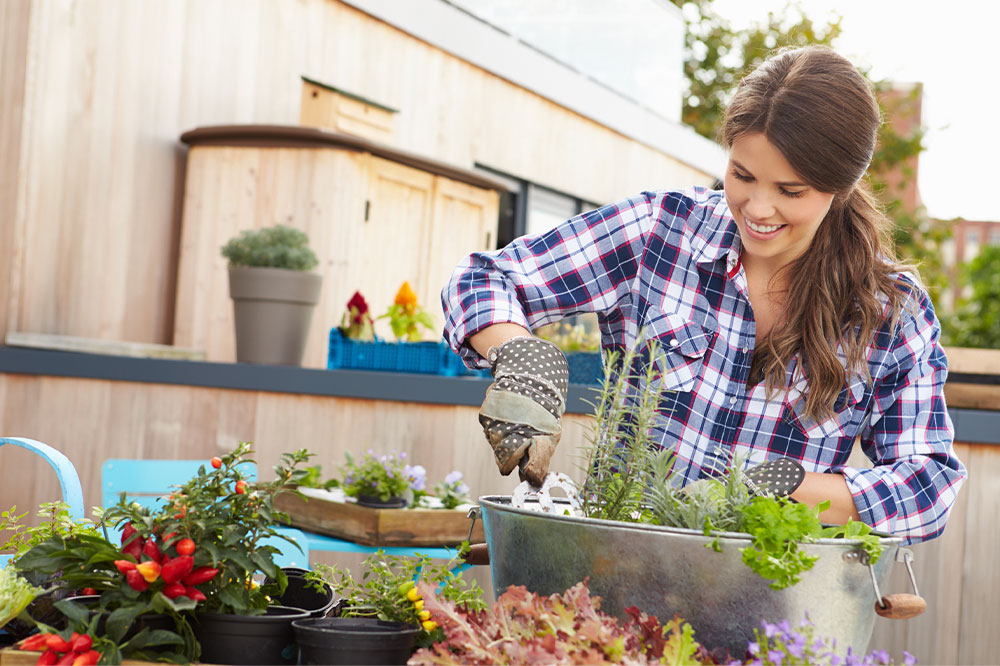
Gardening is a leisurely activity and a beloved hobby for many. But as incredible as it is, one needs to consider several factors to ensure the survival of a garden, and especially for it to thrive. If you are building a kitchen garden, it will require a different kind of dedication and a different set of rules than an aesthetic, floral garden. In either case, there are some essential tips to follow. So, let’s explore some common gardening mistakes to avoid.
Neglecting soil preparation
This is the most crucial step of any gardening process. The soil is the base of the garden, and it is full of nutrients that are essential for the plants to thrive on. Neglecting soil preparation can cost you your beloved garden. Before starting any activity on the patch, assess your soil’s texture, pH balance, and nutrient content. Analyze this report to understand what kind of plants this soil can support. You can add organic matter, like compost and manure, to the soil to help improve its nutrient content and any additional requirements. Also, this cannot be a one-time process; you will have to do regular soil checking to ensure that the nutrients are not depleting.
Overwatering or underwatering
Both of these are very common mistakes that most gardeners make, especially new ones. Watering the soil requires a delicate balance, and it is easy to misunderstand soil needs. You must study your soil and plants thoroughly to avoid this mistake. Underwatering can dehydrate the plants, causing wilting and stunted growth, and overwatering can cause suffocation, promote weed growth, and encourage diseases. You will have to check soil moisture regularly and frequently to maintain the right water needs of the soil and the plants.
Overcrowding the plants
If you are looking at a landscape structure, one of the most likely mistakes that are made is overcrowding the design. While there can be a bunch of similar plants and flowers together, allow them the space to grow and fill the area by themselves rather than sticking them all together at once. The plants will then fight for resources; there will be poor air circulation and increased susceptibility to pests and diseases. So, proper spacing should be followed. Also, most times, the seed packet will come with instructions on how to place them and how much gap to be left between two seeds, so follow those instructions carefully.
Neglecting to interplant
Experts suggest that planting only one type of flower in a flower bed is not ideal. Interplanting or intercropping can be a beneficial practice and can be done with flowers that complement each other. These are called companion plants, which won’t fight for resources and will thrive together. You can bundle tall and short plants together and bring more aesthetics to the design. Also, interplanting or intercropping promotes pollination and attracts many pollinators, including bees. Interplanting can also help reduce diseases and pests in the plants.
Ignoring sunlight requirements
When planning a landscape, one of the things to keep in mind is also how the weather can affect your plants. Select the right part of the garden where you can grow your plants and care for them. You should also take into consideration the amount of sunlight that comes through, the amount of rain, any puddles that form, and such. Once you know these issues, you can figure out which kinds of plants to use that can power through these weather conditions. You will have to plant flowers that match the garden’s light conditions throughout the day and plan your landscape accordingly.
Failing to mulch
Mulching is the process of covering the soil bed with leaves, plant debris, seaweed, compost, wood chips and similar things. This process is often overlooked, but it has crucial benefits for the soil and the plant. The soil nutrients are retained through mulching, the soil fertility is enhanced, the soil temperature is regulated, and it also helps conserve the moisture in the soil. If mulching is not done, especially in sunny, dry areas, the moisture from the soil can easily evaporate, leaving the plants dehydrated and wilted.
Missing harvest time
If you are growing food in your kitchen garden, this requires extra attention. You’re likely to have put in months of hard work to reap the fruits and vegetables, and if you fail to harvest them at the right time, other pests can get to them and eat them away. Just as the tomatoes, capsicums, and chili are all ready, harvest them and keep them. Missing the right date can lead to crops turning bad or other miscreants destroying them. Also, not only does it destroy just the fruit or a vegetable, but sometimes the whole plant is destroyed. So reseeding and replanting can take months of hard work again!
Not knowing plant growth
If you are growing multiple plants in the same patch of land, one of the things to know and understand is that each plant has a different growth cycle and height. Experts suggest that researching plant growth is important as you can then also arrange for necessary support structures for tall, climbing plants. Also, when planting various vegetables or fruits together, one plant may grow tall quickly while the other stays short, which may overshadow the crop. This can lead to overcrowding and inadequate sunlight for the shorter plants, making their survival a challenge.
Some other mistakes to avoid would be to neglect pest and disease management in the plants, so regular checks are important. Pruning the garden promptly also makes a lot of difference, not just regarding aesthetics but also for plant health. Most plants need lots of space, light, and air circulation to thrive. Also, pruning the dead and damaged sections is important so that it does not start rotting other parts of the plant. Gardening can be a very relaxing activity when done regularly on a schedule, so to avoid feeling overwhelmed with gardening work, it is best to schedule some chores every day or every alternate day.