8 cleaning mistakes that make the house dirtier
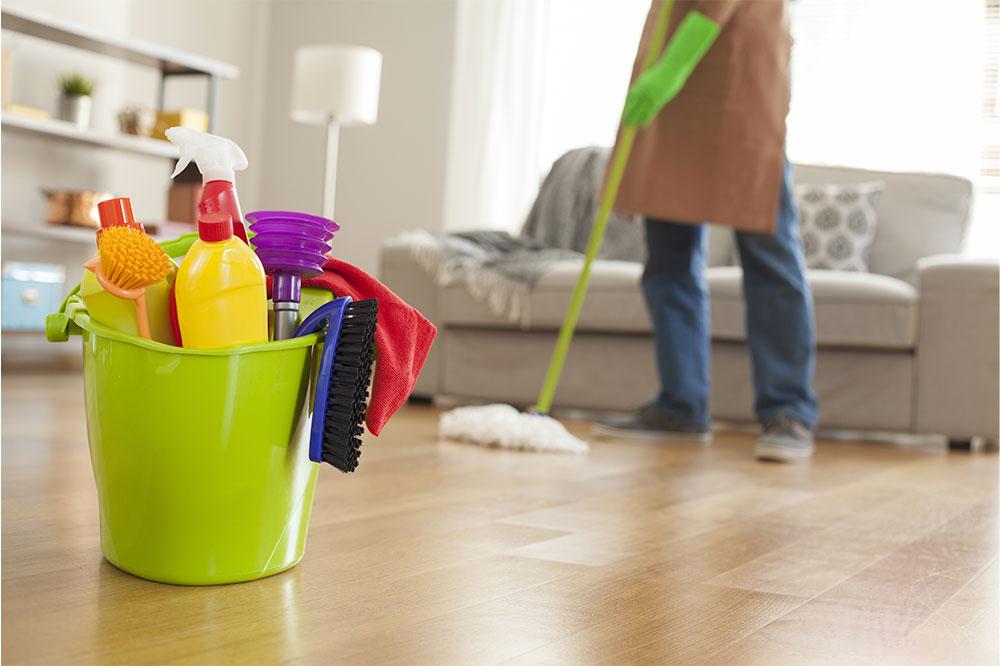
Keeping your surroundings clean and free of dust and germs is essential. Most people undertake cleaning rituals as a part of their daily chores. However, without realizing it, they may be doing more harm than good while going about the cleaning tasks. These common cleaning mistakes we often make leave behind a trail of dirt, allergens, and grime. Here’s a list of eight things to avoid doing when cleaning your home:
Reusing sponges without disinfecting
Most of us reach out for the sponge without even thinking twice, especially when wiping kitchen countertops and bathroom sink tops. Sponges are good absorbers of grime, but they are also perfect for facilitating the growth of bacteria and other micro-organisms. When you repeatedly use the same sponge, it is easy for the bacterial growth to get transferred to your kitchen and bathroom surfaces. Such a mistake is common but one that can prove to be enormously costly.
The solution is to use microfiber clothes to wipe these commonly exposed surfaces instead of a sponge. But if you love the sponge, make sure that you disinfect it from time to time. Also, ensure that you change the sponge or the microfiber cloth every month.
Ignoring common touchpoints
Every house has common touchpoints, like the door knobs or the taps. While dusting, cleaning, and mopping, we usually forget these points, leaving them open for breeding germs. The ideal solution is to use a disinfectant spray and a clean cloth to wipe and dry them. This way, you keep them away from germs.
Putting chopping boards in dishwashers
The dishwasher has made our lives easy and comfortable. But certain items should not be placed in the machine because they will not be cleaned properly. One such item is the cutting and chopping board. This board should not be ideally cleaned using a bar of dish soap and water. Why? Because the wood or the plastic material may have cuts and cracks that are great for bacterial breeding.
The best way to clean the board is to place it in a bleach solution for a while and rinse and dry it.
Wiping disinfectants hastily
You may have been in a hurry or have not realized the point: wiping away disinfectant too fast from a surface is as good as not cleaning the surface. Why? Because when you apply a disinfectant, it requires some time to eliminate all the micro-organisms lurking on the surface. Wiping off the surface immediately after using the disinfectant spray can very well mean that some germs are left behind.
The right way is to spray and let it remain for a while before cleaning it off. Also, it is advisable to read the packaging label from the manufacturer on the minimum contact time required by the disinfectant to sanitize fruitfully.
Reusing unclean bags
Thanks to increased awareness, most people in the country today use reusable bags for their grocery and vegetable shopping. However, many still do not wash these bags regularly.
With frequent usage, the bags become an easy target for bacterial breeding. Since these are mostly cloth items, putting them in the washing machine at least once every two weeks keeps them clean. And, after every single use, make sure to use the disinfectant spray to keep germs at bay.
Disinfecting before cleaning
Disinfecting and cleaning are two different processes, but many of us think of these two as the same. When you use a disinfectant on a surface first by spraying chemicals, your purpose is to kill the germs and free it from dirt and grime. However, spraying without cleaning the surface first makes the existing dirt and dust stick to the surface even more strongly. As a result, cleaning the area of all allergens becomes ineffective.
That is why it is advised that you should first wipe the area clean using a dry and clean cloth. Once done, you can use a disinfectant to attack the germs and microbial growth and finish all of them effectively.
Not adopting a top-down approach
Most of us tend to clean the floor and the lower areas first before moving up to the higher surfaces. As you are working against gravity, this cleaning habit is a mistake. Cleaning the higher areas later means dust, dirt, crumbs, etc., falling on the floor or the carpet. Consequently, the area gets dirty even as you think your floor has already been mopped or vacuumed and hence is clean.
The right way is first to clean or dust the areas that are at the top. Then, work your way downwards. This way, you will be able to clean the entire place holistically.
Using liquid cleaners directly on surfaces
This common mistake leaves your place dirtier than before. When you spray the chemical liquid on the surface, like sofas, furniture, and glass, the dust and debris stick with more power onto the surface. Cleaning in this way leads to a greasy and stubborn build-up that can be difficult to clean.
The best way is to spray the solution on the cloth, microfiber, sponge, or paper towel and then clean the surface.
Avoid these common mistakes and make your cleaning routine productive and smart.