7 Tips For Maintaining a Lush Green Lawn
A lawn improves the appearance of a home; however, maintaining a lush, green lawn is quite tricky. Dry winters and scorching temperatures can make the grass appear lifeless and weed-infested. But, with a few simple tips and tactics, you can transform prickly, crisp-dry grass into a lush, luxurious, deep-green carpet like the ones at country clubs. It only takes a little extra time and effort! Here are some tips for maintaining a lush, green lawn.
Tips for maintaining a lush green lawn
Cut the grass frequently
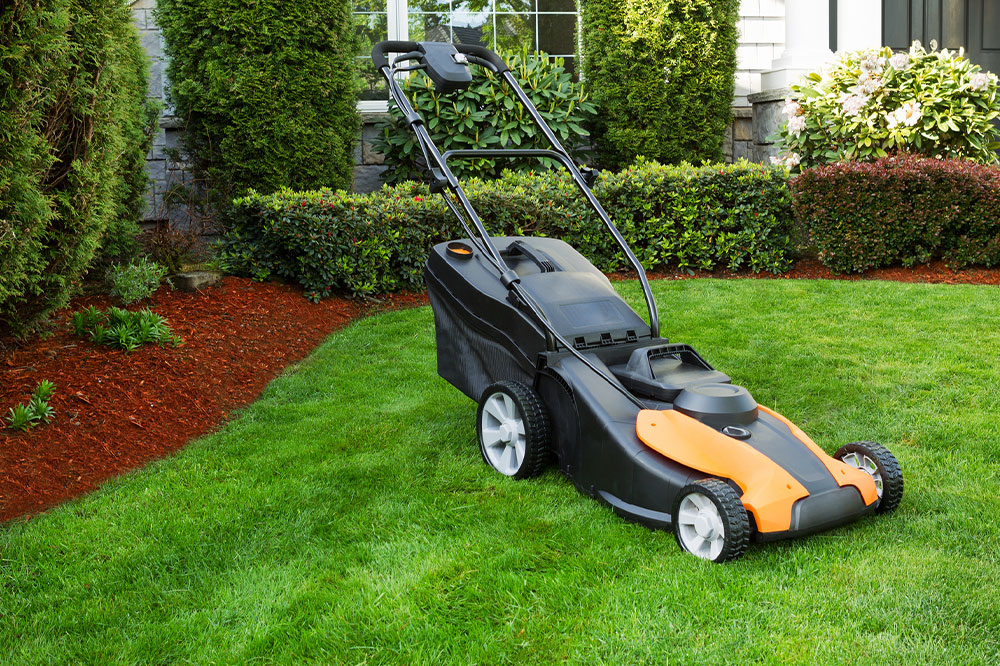
The first rule of maintaining a perfect lawn is to avoid overstressing the grass. Instead of making one large cut, make several moderate cuts frequently. Mow in a different pattern regularly to avoid pushing the grass stems in the same direction. Only cut up to five centimeters of grass at a time and allow the grass to grow longer in the summer to withstand the hot, dry weather. Consider an electric lawnmower like the PR 40 S, suitable for small and medium-sized lawns if your property is modest and you want a quiet, easy-to-use tool. For larger areas, a petrol-powered lawnmower is the best option.
Fertilize right after mowing
Fertilizing the lawn on a regular basis is essential for reducing the strain caused by mowing. Purchase enough fertilizer in the spring and fertilize the lawn every 30 to 40 days. There are numerous lawn fertilizer options available. A mineral-based mixture containing nitrogen, potassium, and phosphorus is typically recommended because this is the ideal combination for boosting growth. It also ensures that the grass receives an adequate amount of water. To encourage product absorption, adjust the dosage according to the package directions and fertilize immediately after mowing. Water your lawn after applying fertilizer to maximize its effectiveness; this will help the fertilizer dissolve quickly.
Add organic matter
Early-season grass benefits from compost, whether organically prepared at home or purchased from a store. Spread a 1/2-inch layer over the lawn and rake it in. When finished, compost should smell earthy and slightly sweet; avoid using compost that is still steaming, as this indicates that it hasn’t completely decomposed. One yard (about 27 cubic feet) will cover 600 square feet. Organic matter reduces compression and surface crusting, increases water penetration into the soil, and provides nutrients and water storage. Adding organic matter to the soil will increase its ability to hold water. Mulching your grass clippings rather than removing them is another simple method for gradually reintroducing organic matter into the soil.
Water regularly
Although mowing and fertilizing are important for grass cultivation, irrigation allows plants to grow to their full potential. A lawn requires plenty of water to grow lush and green. The quantity of water depends on the condition of the grass and should be provided at regular intervals. The amount of water also depends on the outside temperature and humidity, as well as the grass’s development level. A freshly sown lawn, for example, requires daily irrigation to promote germination and the development of strong roots. You could water by hand or with a small self-priming water pump, depending on your needs.
Improve soil conditions
Grass needs nutrients and the right conditions to grow, which starts with good soil management. A healthy lawn grows in healthy soil. As a result, instead of only treating the obvious symptoms, correct the soil and provide ideal growing conditions for the grassroots. Find the pH and nutrient content of the soil. Adjust the soil’s nutrient profile with the appropriate slow-release fertilizer based on the test results. Also, add rich compost or sphagnum peat moss to balance the pH if the soil is overly alkaline. If the soil is over-acidic, add lime to the soil, a pH of 5.5 to 6.5 is ideal for grass growth. Keep a fertilization schedule; fertilize in the early spring, then every 4 to 6 weeks with a slow-release fertilizer.
Protect against pests
Insects, such as grubs and webworms, can destroy a lush, green lawn, turning it pale, dry, and infected. That said, not every pest or germ is harmful for grass. It is all about balancing and maintaining a healthy environment for a healthy lawn. The most common lawn pests are ants, armyworms, billbugs, and bagworms whereas mosquitoes, ticks, and mites are among the other pests that bite. When outside, look for yellow or brown spots, brittle grass blades, or bites as signs of pests. You can maintain a healthy insect ecosystem by balancing the moisture content and lawn thickness. Check for adequate drainage, avoid overwatering, and consider leveling any areas where water is accumulating. Apply an insecticide-containing fertilizer, whether chemical or organic, if necessary.
Use a suitable fertilizer
Many chemical and natural sprays are available to help the grass grow greener, but selecting the right one for your lawn can be difficult. If your soil’s pH exceeds 7, look for fertilizers or sprays containing sulfur or iron sulfate. Look for limestone sprays or treatments if your soil has a pH lower than 6. Slow-release sprays and fertilizers help the grass fight weeds, resulting in a healthier lawn.
Gutter protection
Lawn care should be combined with gutter maintenance to avoid dirt buildup, water accumulation, and other hazards. A good gutter guard directs water away from the house and grass, lowering the risk of water damage and ensuring the lack of debris like leaf. LeafGuard and LeafFilter use a one-piece reverse-curved gutter guard and a three-piece micromesh guard to keep sticks, leaves, and other debris out of the gutters. You can compare the filters of LeafGuard and LeafFilter with other gutter guard on the market for thorough research. Rain gutters collect rainfall as it falls on the roof and safely direct it to the ground via downspouts. Without adequate guards or filters, the property will be full of leaves, twigs, and other debris, which can:
Make leaks around windows and doors.
Cause rot to grow
Destroy the shrubbery and flowerbeds.
Seep into the soil near the foundation, causing cracks and basement flooding.
Attract vermin, animals, bugs, and mold.
Every home requires gutter protection from heavy rain because leaking and overflowing can harm the house and its surroundings. Rain gutter protection via gutter guards is critical for preserving the house’s foundation.