7 things to avoid doing when staying in a hotel
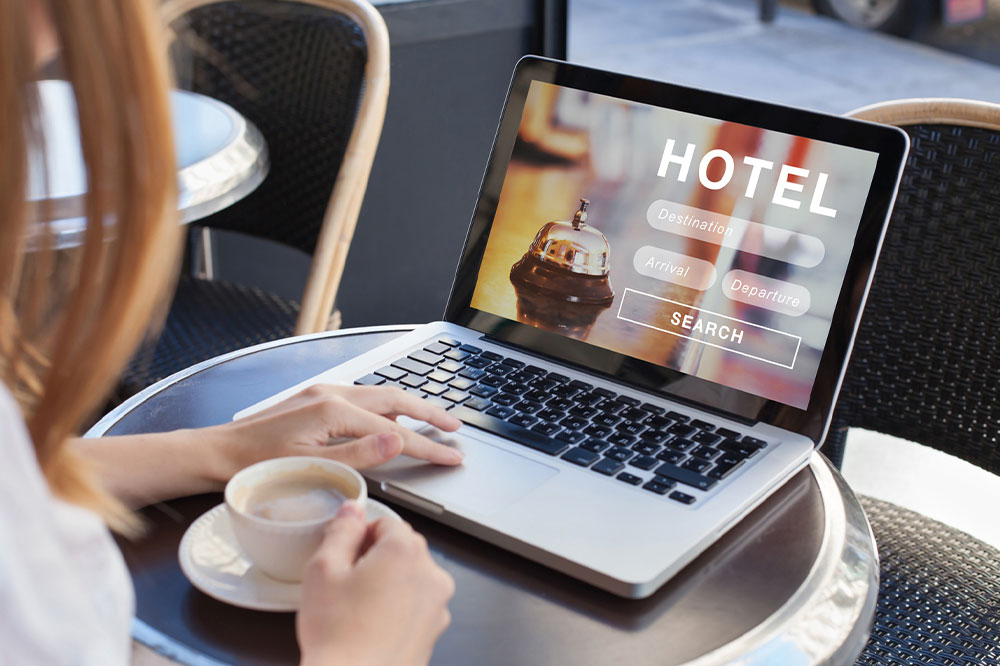
Staying in a luxurious hotel can be exciting. You can enjoy several amenities, personalized services, and complimentary benefits. But you should be cautious. Experts and travel enthusiasts have devised several dos and don’ts to follow when in a hotel to avoid confusion and make the trip more memorable. Special focus should be on the don’ts as these can risk your safety in a new place. Here are seven things to avoid doing in hotels:
Opening the door instantly
Many instantly reach out for the doorknob on hearing the doorbell or a knock. This is a big mistake. While it is okay to assume that the person on the other side would be a housekeeping staff or an F&B person, it is best never to take a chance. This is especially applicable if you are in another country, traveling for the first time to a place, or staying at the location as a first-time guest. Verify the visitor’s identity before opening the door. You can do so by looking through the peephole or glancing outside through an adjacent window. Letting strangers inside can be costly if they turn out to be someone with the wrong intent.
Packing the hotel’s bathrobes in your suitcase
This is nothing short of stealing; you could be in big trouble if caught. Besides the legal hassles, pilfering the hotel’s properties speaks poorly about your manners. Taking a small bottle of shampoo, conditioner, or body lotion may be okay because these usually end up in the trash. But not bathrobes for sure. Similarly, do not just pick other linen pieces, small electronic items, or any artwork from the room. Hotels conduct a thorough inspection after you leave and could impose legal charges if the offense is serious.
Using throw pillows
In luxury hotels, you may see throw pillows lying on sofas, chairs, and other sitting areas. Check if these pillows have removable sleeves or not. If they do not, stay away from them. There are fewer chances that the cushions are dry-cleaned regularly. In most cases, hotels keep them as long as they do not start to smell or get badly stained. They then throw these and replace them. However, these pillows became the perfect breeding ground for germs and microbes by that time. So, the best is to stay clear of these items. Using these pillows can cause you to get ill, spoiling your vacation.
Keeping your passport and valuables in the suitcase
The thumb rule is to keep essential documents and costly items inside the locker or safe provided in the room. Most of these safes are pretty easy to use, but many travelers abstain from doing so. As a result, they run the risk of losing these items. Keeping your wallet, expensive jewelry, and important documents, like your ID cards, passport, etc., in the open, within easy reach of strangers, is a strict no-no. If you find anything missing, report the missing or lost item immediately. The sooner you report it, the better the chances of recovering the lost item.
Replacing items in the minibar
If you have taken out items from the minibar, take care not to replace them by buying cheaper products from the supermarket. There are different ways hotels charge for minibar items. For example, these days, minibars come with sensors that immediately detect an item has been picked up, and accordingly, a charge is raised against it. By replacing the item with a cheap substitute, you will only be embarrassed in front of the staff members. The best thing to do is inquire about using the minibar and other chargeable amenities inside the room.
Being high-handed with the staff
Just because the staff members are in the service industry does not mean their job is less respectable. Being arrogant and high-handed does not look good on your personality. By being kind and showing gratitude, you will never lose respect. Instead, the staff will service your requests with more eagerness and warmth, making the stay more memorable for you and those traveling along.
Not checking the room one final time before leaving
It is a good idea to spend a little more time and take one final sweep of the room before locking it and checking out. You never know what you may discover lying in one corner of the room that skipped your mind. The best way is to make a checklist and walk through all the items on the list before leaving. Not taking the final check before closing the door for the last time can prove a costly mistake. This is especially true if you have traveled from another country or state and might not travel back to the destination soon.
It is crucial to be an intelligent traveler so that you avoid the mistakes listed here and truly enjoy your stay. Although these are tiny errors, they can save you from being embarrassed and overcharged. Besides avoiding these mistakes, it is advisable to research the hotel and your destination before going there. This will enable you to plan and carry the required essentials for a memorable holiday.