7 reasons why POS systems are better than cash registers
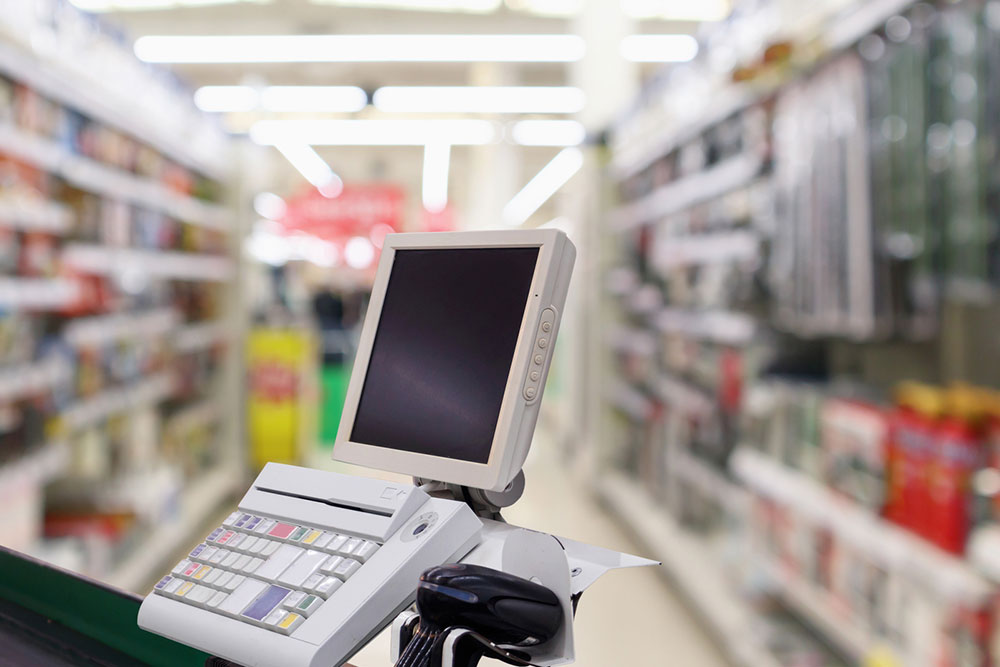
Point-of-sale (POS) systems are electronic devices that businesses use to process customer transactions. In many establishments, manual cash registers have been replaced by POS terminals, which process not only cash transactions but also debit and credit card payments. POS systems can also automate multiple tasks for businesses, something cash registers cannot do. Although cash registers were indispensable about two or three decades ago, they have been overshadowed by POS machines for valid reasons.
1. More detailed reports and quicker checkout
POS systems can store information quickly and handle more payment-related data than cash registers. The reports generated by POS tools are highly detailed, offering information on sales, items, time logs, etc. One using these tools can pull up reports from multiple terminals and lanes from a centralized location, say, the back office. POS systems make it a cakewalk for businesses to get real-time updates from any terminal. In addition to detailed and quick transaction reports, POS machines enable cashiers to scan, modify, complete, and record transactions, all by using a barcode scanner connected to the system. Scanning a barcode is several times faster than manually typing in the details of a transaction on a computer. Another benefit of POS systems is that they can be set up to carry out refunds, void sales, or print bills with the press of a button. To ensure that only authorized personnel can perform these tasks using the POS system, managers can configure POS systems to be accessed by a handful of people.
2. Higher accuracy
Traditional cash registers require people to do a lot of the heavy lifting when it comes to feeding the system data. So, human errors are an inevitable part of using cash registers. POS systems minimize human errors, like recording incorrect sales data and, by extension, the negative impact on daily operations. Every POS system can instantly scan thousands of characters based on the bar code. This data is accurately recorded in multiple places for easy access later. The high accuracy in storing and updating data makes POS systems an invaluable tool for establishments like restaurants, which may need to change their prices constantly. Additionally, these establishments need to quickly process transactions to avoid delays, so with POS systems’ assurance of accuracy, they can easily process payments without worrying about errors.
3. Accepts multiple payment options
While cash continues to be heavily used around the world to make payments, a cashless future does not seem as far away as it once did. Many countries around the world encourage cashless transactions. So, payment modes such as debit cards, checks, online banking, UPIs, credit cards, and wireless money transfers are commonplace today. That’s why businesses need to keep up with the change and have systems in place to accept all kinds of payments quickly and smoothly. While a cash register can accept cash and credit cards, it may not accept other modes of payment. So, businesses can utilize POS systems. These machines are connected to various banking portals and payment gateways to allow transactions. Cashless financial transactions could be the norm rather than the exception moving forward, so businesses still relying on cash registers may need to upgrade to POS systems.
4. Better security
POS systems are advanced computing systems that receive and store thousands of bytes of data every day. To ensure that this data cannot be misused or stolen through malware, phishing attacks, or any other cyberattacks, the systems come with advanced built-in security mechanisms that guard the data from unauthorized use. However, businesses need to keep updating the security applications in these devices from time to time to be a step ahead of hackers and other cybercriminals looking to steal the data.
5. Easy access to past transaction data
Every now and then, businesses may need to go through the entire history of transactions. A cash register can perform this function, but a POS system does it much faster. At any point of time, businesses can look up a transaction on a certain date. This enables them to keep better tabs on the money coming in.
6. Lower repair costs
This may come as a surprise, but POS systems can be easier, faster, and more economical to repair than cash registers. While they are complicated systems that perform many tasks for businesses, they are also becoming more common than cash registers. So, businesses can find many professionals to carry out repairs.
7. Better financial management
Although the supposed scope may seem limited to recording customer transactions, a POS system can keep track of every incoming and outgoing payment. These transactions could include the revenue on a product or service, raw material purchases made, or salaries paid to employees, among others. While cash registers also record transactions, POS systems can generate reports. So, instead of sorting through hundreds of receipts, businesses can rely on the POS system reports to analyze sales data. At the end of the year, businesses could also use the data from the system to prepare balance sheets and other financial documents that will help them know how to manage their money better in the future.