7 popular plants that are dangerous for cats
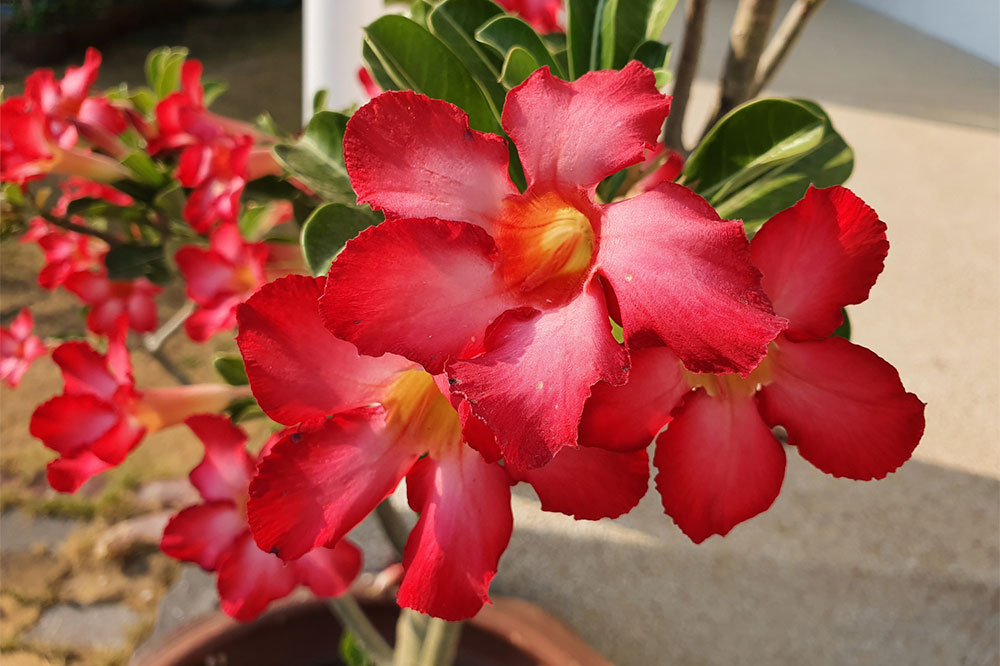
Many people decorate their homes with indoor plants. But if you are a cat parent, your plant obsession can inadvertently harm your feline friend. Most plants are safe for cats to play and prod, but a few are dangerous. Eating or coming into contact with them can lead to unexpected consequences, mainly because of their poisonous compounds. Below we have listed seven such toxic plants that you must keep out of your cat’s reach:
Azaleas
A part of the rhododendron family, Azaleas are one of the most beautiful houseplants that can transform your living space. However, the slightest nibbles out of their leaves can cause serious heart problems in your cat. It can sometimes aggravate into a coma and even be fatal. Milder side effects of rhododendron ingestion include vomiting, weakness, diarrhea, drooling, and a lack of apatite.
Hydrangeas
Hydrangeas are common in flower arrangements in home gardens. Although the plant is toxic to cats because of its chemical content, it is not as dangerous. Only ingesting a large amount of the plant can cause damage. Nevertheless, they pose a threat, so avoid having them around your pets. If you grow hydrangeas in your garden, ensure your cat never wanders near it and keeps a safe distance. Ingestion of the flowers and leaves can lead to vomiting, stomach pain, and weakness.
Hyacinths
The criteria for selecting plants for your home should be based on more than just their pretty looks. Despite being absolutely beautiful and fragrant, hyacinths remain poisonous to cats. The bulbs of their flowers are full of toxins that can lead to numerous complications if ingested. The symptoms are usually manageable if your cat has nibbled off just a tiny bit. But excessive intake, whether accidental or intentional, can be fatal. Therefore, you must get timely help if you think your cat has been munching on the hyacinth plant.
Lilies
Every plant under the Lilium species has been labeled toxic to cats. These include Tiger, Easter, Asian, Calla, and Casa Blanca lilies. Kidney failure is the most common consequence of ingesting this plant. But it can result in milder side effects as well, such as skin and nasal irritation, vomiting, and nausea. While the exact toxicity levels are unknown, even the most minor nibbles can give rise to the symptoms. Even inhaling lily pollen can cause kidney damage in cats, making the decorative plant extremely dangerous.
Daffodils
Daffodils and tulips are a common sight during the spring season. Although they are a delight to watch, these delicate-looking flowers can prove severely toxic to cats. Flowers, more specifically the bulbs, are the most dangerous part. Ingestion of the flower’s bulb can cause vomiting, convulsions, and low blood pressure. So, be extra careful if there is any chance your cat can commonly come in contact with a daffodil.
Mistletoes
It might come as a shock to many, but yes, the staple Christmas plant can harm your furry feline. Mistletoe has repeatedly proven toxic to cats and needs to be displayed at a safe distance. Your cat’s heart rate and breathing are some things that can get affected by eating it the plant. Next time you prepare your house for festivities, ensure your mistletoes are far out of your cat’s reach.
Autumn crocus
Commonly known as the meadow saffron, the autumn crocus is another name on the list of plants toxic to cats. A fall-blooming plant, it contains a specific compound deeming the entire plant harmful. It is commonly used as an ornamental plant making it easily accessible to cats inside the home. Gastrointestinal distress, drooling, difficulty breathing, and liver and kidney damage are a few signs of ingestion. In some cases, these might take a few days to show up, while they are immediately evident at other times.
Another common and recurring issue with pets is flea and tick infestation. No matter how hard you try to keep it away, pets always manage to get these parasites to hike a free ride from them. Heartworm disease is one more infection that can lead to heart failure and damage other organs. While there are numerous and effective ways to deal with these issues at home, treatment options make disinfesting more manageable:
BRAVECTO
BRAVECTO chewables are a preferred FDA-approved option among vets as well as cat parents to treat ticks and fleas. Its dosage is determined based on the pet’s size, breed, and age. So speak to your vet before feeding it to your cats to ensure the proper dosage is used. Alternatively, you can use BRAVECTO topical solution to keep parasites like fleas and ticks at bay.
Simparica Trio
It is an effective all-in-one solution for treating different kinds of parasites like heartworm, lone star tick, and other ticks and fleas. The treatment option can provide protection for weeks. But Simparica Trio is commonly used for dogs. Always consult a vet before using this treatment for your cat.
K9 Advantix II
It is another topical solution used to treat tick and flea infestations in dogs. Speak to your vet to check if K9 Advantix II can be used on cats to manage a parasite infection.