7 online shopping mistakes to avoid
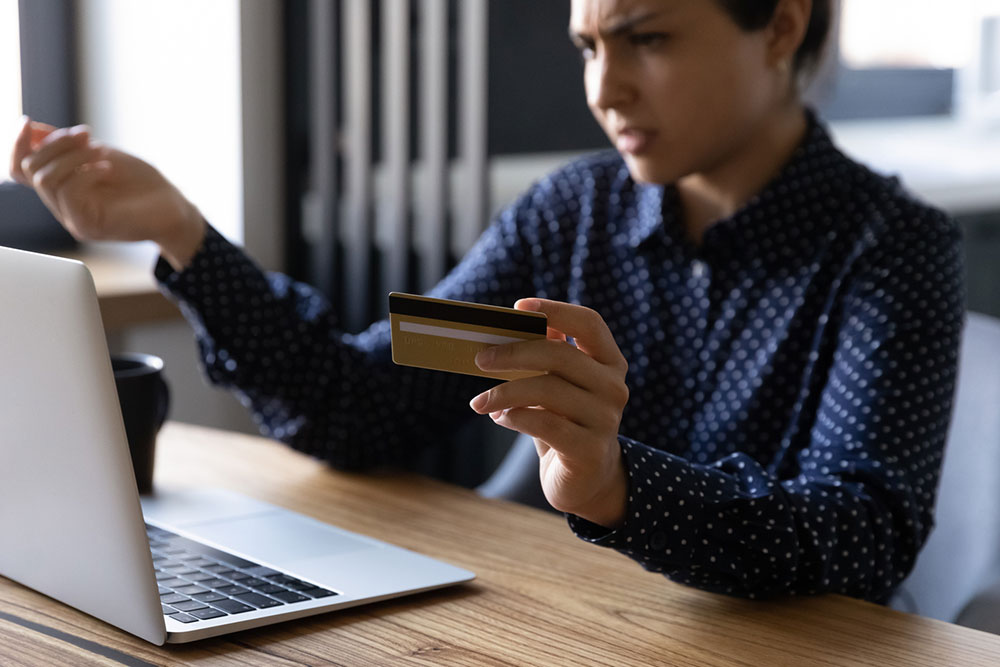
Online shopping has made getting what you want quite easy. Additionally, with perks like doorstep delivery, extensive inventory, quick delivery dates, and flexible payment options, shopping through online retailers has become quite indispensable for many people. Yet, it is not without its risks. However, most issues with online shopping can be easily avoided if one learns to avoid the mistakes most people make. Here are some of the errors one should know:
1. Choosing unknown sellers
One may want to support local or lesser-known retailers. While this is done with good intentions, it’s quite a risky undertaking. If one does not practice caution, they might end up falling for a scam. This will not only cost them a lot of money but also expose them to identity theft. The best thing to do is completely avoid buying from unknown retailers. However, if one really wants to shop through retailers that are not yet popular, it is crucial to do some research. For starters, one should check whether the retailer has a legitimate address, phone number, and customer service. Then, one should check online for reviews and consumer complaints. This will help to verify the authenticity of the retailer.
2. Shopping via unknown email links
People often receive a lot of emails with irresistible deals and attractive offers. While most such emails end up in the spam folder, a few might reach the inbox. Although spam emails often contain links that look authentic and promise shoppers hefty discounts and price cuts, most of these links are ways to steal financial information, credit card data, and personal details. One should be wary of unknown email addresses and avoid clicking on email links they share.
3. Using public Wi-Fi to shop
Connecting to the public Wi-Fi at a mall, coffee shop, or airport can help one pass the time. However, shopping online while using public Wi-Fi can be a mistake. Public Wi-Fi networks are known to be highly vulnerable to hackers and scammers. The network usually does not have highly secure connections. This means carrying out tasks like financial transactions and online shopping over open Wi-Fi exposes one to hackers, who can easily tap into the connection and gain access to personal data.
4. Using a debit instead of credit cards
One of the biggest blunders people make while shopping online is using their debit cards to make payments. This is not only unsafe but also not financially wise, as debit cards are like cash. Once one spends some money using a debit card, the amount is deducted from the bank account. So, if a hacker gets hold of debit card details, they can instantly wipe out all the money from the account. However, with a credit card, the transaction is relatively safer, as the credit card company is liable to investigate fraud upon receiving a complaint.
5. Not checking the return policy
Checking all terms and conditions is especially important when buying something from an online retailer for the first time. One should always ensure the site has listed a clear and well-defined return and exchange policy. The seller should have a sound policy in place that answers the following questions:
– Are there any specific conditions under which the website will accept returns?
– Is there a specific period within which customers have to return an item?
– Do customers have to bear the return shipping costs, or will the website offer a paid mailing label?
– Are returns free without any additional fees or costs?
6. Relying solely on product reviews
Online reviews can often help figure out whether a product is genuine and works as it has been advertised on the retailer’s website. Usually, most of these reviews are posted by customers who have purchased the product, used it, and then shared their experience. However, one must be careful when basing the purchase decision on these reviews. This is because some reviews may sound too good to be true. Alternatively, it is possible a competitor has used unethical means to post a lot of unfavorable reviews to drive down sales of the product. To sift through such fake or suspicious reviews, one can use several free tools that use high-end algorithms to analyze such reviews and determine whether they are fake or not.
7. Forgetting to check the delivery address
This may be obvious, but it is surprisingly a very common mistake. As technology has made it easier to save credit card numbers and addresses and automatically enter them on retailer’s websites, many often forget to double-check the details they have entered. This may not be much of a problem if one has only saved one delivery address on the site. But if there are multiple shipping addresses attached to the account, such as home, work, and other family members’ addresses, or one has moved houses, it is imperative to cross-check the shipping address before placing each order. Otherwise, the package will be delivered to the wrong address, causing a lot of inconvenience and trouble. Alternatively, while entering the address for the first time, one should thoroughly look for errors to avoid delays or failed deliveries.