7 mistakes to avoid when selecting a front door
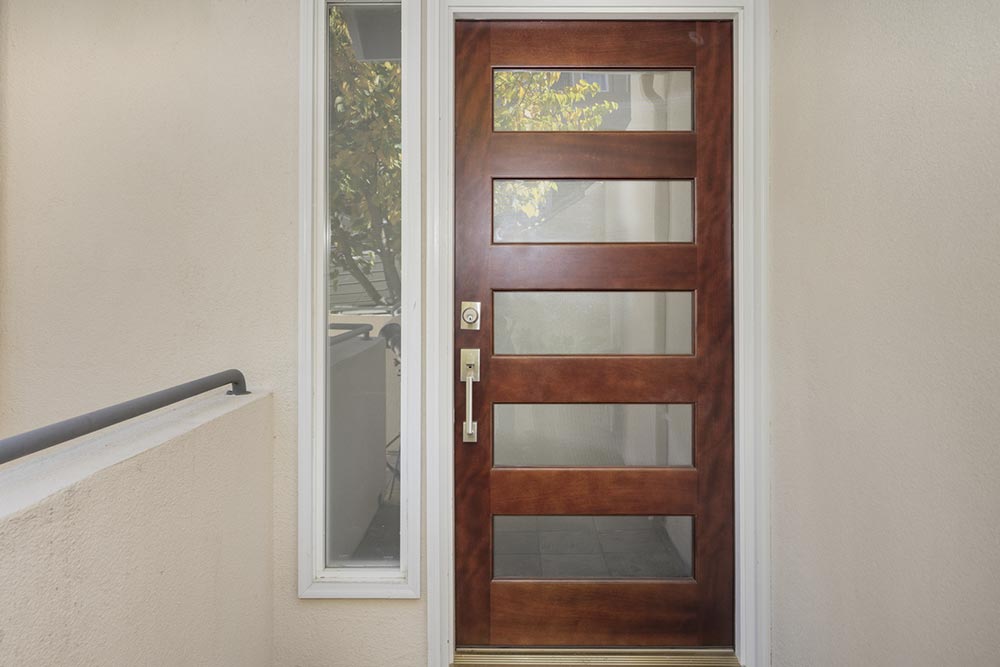
Making the right choice on the first go can be challenging. Extensive research and consideration must be given to ensure one is choosing correctly. This applies when one is choosing a front door for their property. People do not just need to think about the property’s budget and esthetics. To avoid making the wrong decision , individuals need to consider certain commonly made mistakes and learn from other people’s mistakes.
Mistakes to avoid
Here are a few mistakes people make when selecting a front door:
1. Overlooking security features
A commonly made mistake people need to stop when selecting front doors is not taking in the importance of security. While trying to find a door that fits the house entrance, look for one that provides the right kind of security. There is no point in finding a front door if it does not have any security benefits to add. Overlooking this important detail can put the property and the people living in it at a higher risk of break-ins, thefts, and other criminal activity. Multi-point locking system doors are a great choice for any kind of property. Homeowners can also consider installing added locks or reinforced metal door frames to improve their security prospects.
2. Neglecting maintenance considerations
Maintenance is one of the most important things to consider when buying anything. Purchasing a cheap product but paying high maintenance costs later is no good when saving money. Choosing something with a higher price point and low maintenance needs is better. A front door that does not require frequent maintenance or repairs better keeps the homeowners and the property secure. Before buying a new front door, research the materials and learn which ones are high-maintenance and easy to handle. Neglecting this minor detail can cost homeowners in the long run. They need to consider the kind of door and maintenance requirements they can keep up with. This will help narrow down the choices and make picking the right door easier.
3. Ignoring installation
The installation of a door can be a difficult task to tackle. Some homeowners might be too worried about how their door looks and the material, making them forget about proper installation. When homeowners try to install their doors independently, they might use the wrong hinges, mismeasure the threshold, and use incorrect tools. These mistakes are easier to make if the person does not have the right knowledge. All these details should be carefully considered before purchasing the door. People can check for a step-by-step guide for a door installation.
4. Selecting outdated hardware
Just as the look and material of the front door are important, so is the hardware one chooses to use. Objects like knockers, door handles, and locks can significantly impact the functionality and appearance of the door. It can also change how the overall property looks to onlookers. Selecting outdated, completely visible hardware can make the front door appear tired and washed out. On the other hand, adding fresh and updated hardware to the front door can give the property a modern and polished feel. While focusing on the hardware, people must avoid going overboard with front door decor. It is easy to go overboard, especially with seasonal decor. But remember that striking the right balance is important; instead of focusing on the amount of decor, start with selecting a few quality pieces that enhance the look and style of the front door.
5. Forgetting sealing
When the front door is not properly waterproofed or sealed, homeowners might have difficulty keeping the outside elements from entering the home. This might result in some issues occurring within the house. Once the installation is done, the contractor must seal the door properly. Commonly, professionals use non-expanding foam and caulk as materials to fill the gaps. The process helps ensure the door is weatherproof and waterproof. Skipping the sealing might result in mold and door and frame deterioration. This can lead to higher expenses and trouble in the future.
6. Using the wrong paint
Choosing a front door can be a challenge. Searching for one might not always find a door matching one’s needs and requirements. This is where paint can come in handy. It can help people customize their front door to match their desired style, design, and personality. However, remember to take into account all the environmental changes and the elements the door might be exposed to. The paint job is not going to be that easy. Interior paint is not going to work on the exterior doors either. Pair the paint used for the exteriors with a primer of the same formula. If confused, speaking to a store specialist might help.
7. Selecting the wrong one
There is a difference between the doors used inside a home and those used for the exterior. Despite it being the right color, size, style, and finish, some doors might not be the right choice as the front door for the property. The doors used in the interior are not built to protect the house from the outside elements. A key to selecting a front door is picking the one that ensures the house and its people are safe from the outer elements. Look at doors built to withstand extreme temperatures and moisture and have a reinforced metal frame.