7 mistakes to avoid when repairing the house’s crawl space
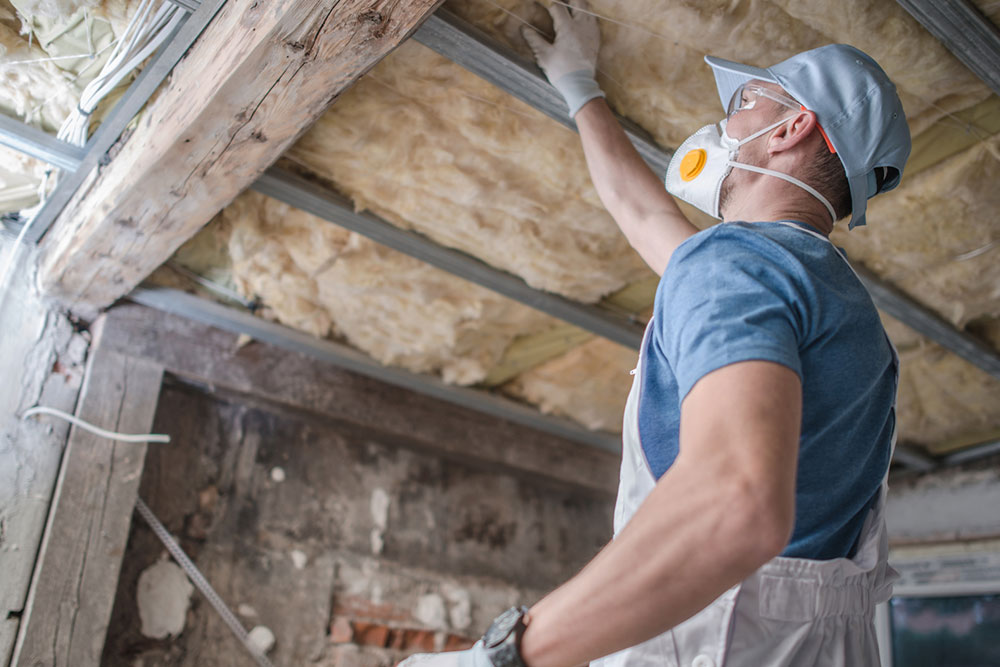
The crawl space often ends up being one of the most neglected areas of a home. Since damp, moist air easily gets trapped in this space, there is a high risk of mold breeding here, affecting the foundation. Besides, musty smells, pests, and bugs can quickly find their way indoors, posing a risk to everyone’s health. Because of these issues, ensuring the crawl space is repaired well without any mistakes is important.
Not hiring a professional to do the job
Since the crawl space is a hidden area of the house, a homeowner may be tempted to save money by not hiring a professional. This can be a serious mistake with expensive consequences, especially if one does not have the necessary skills to do the work themselves. Instead of doing it alone, hiring a professional contractor can save a lot of time. Besides this, there will be less chance of the work being faulty. There will be a low risk of causing further damage to the crawl space, which otherwise will incur more expenses to repair it.
Starting a the repair work before the crawl space is dry
A common mistake homeowners make is installing the insulation or moisture barrier for the flooring too soon. Just because the crawl space appears dry on the surface does not mean it is. Moisture may still be present in nooks and crannies. This is why it is better to bring in a professional who will do the necessary checks and tests to ascertain that the crawl space is 100% dry before starting the repair work. They will dispose of all the hazardous waste from the crawl space and use submersible pumps to remove standing water. Besides this, professionals use industrial-grade dehumidifiers to eliminate any traces of extra moisture within the area. These steps ensure that the repair work will last for a long time.
Adding too many vents
A common mistake to avoid while repairing the crawl space is adding too many vents. The idea behind adding multiple vents is that it will allow the air to flow properly, preventing excess moisture in the crawl space. As a result, the crawl space will remain well-maintained for a long time without needing frequent repairs in the future. Besides, there will be less chance of mild growth, too. But, unfortunately, this is not how it works. When the humidity level outside the house is too high, the extra vents will let in more moisture into the house rather than letting it out. What’s more, having additional vents means more entryways for bugs and pests to get in. So, avoid having too many vents in the crawl space.
Insulating with spray foam
Usually, spray foam insulation is a great choice to lower the energy costs of a house. But when it comes to crawl spaces, spray foam insulation may not be beneficial because it increases the possibility of wood rot, mold, and mildew. The crawl space is already a damp space with a high level of moisture content in the air. With spray foam, more moisture gets trapped between the insulating layer and the wall. This creates an environment where severe damage due to mold and mildew can easily occur. To avoid this, refrain from using spray foam insulation in the crawl space.
Using fiberglass insulation to repair the damp crawl space
Another mistake that involves insulation of the crawl space is using fiberglass. Similar to how spray foam works, fiberglass too easily absorbs moisture. If there is excess humidity or a leakage in the crawl space, the fiberglass insulation will trap all the water. As a result, the crawl space becomes a favorable environment for mold and mildew to grow quite quickly. Aside from this, the trapped moisture can cause damage to the floor, especially if it is made of hardwood. The wood will start to cup or buckle. With all the excess water and moisture trapped, the fiberglass insulation will also start to fall apart, posing a risk to the entire structure of the house.
Ignoring the drainage system
It is not uncommon for rainwater or groundwater to get inside the crawl space. But letting this water sit in this area for a long time is a mistake. This is because standing water can easily cause permanent damage to crawl spaces and the structure of the entire house. In addition, there is always the risk of mold, mildew, and bugs, causing further problems for the house and its residents. So, paying attention to the drainage system while repairing the crawl space is important. As soon as the water enters the crawl space, it must be drained and expelled. The drainage system should be effective and efficient enough to prevent any water accumulation in the crawl space.
Adding vapor barriers to floor joists
Many homeowners choose to install vapor barriers on the floor joists to prevent moisture from seeping into the joints. But, vapor barriers are not very effective during summer. Condensation tends to get trapped between the vapor barrier and the floor joist, causing mold and mildew to grow. Wood rot may also set in, causing damage to the floor and the foundation of the house.