7 mistakes to avoid when adopting a dog
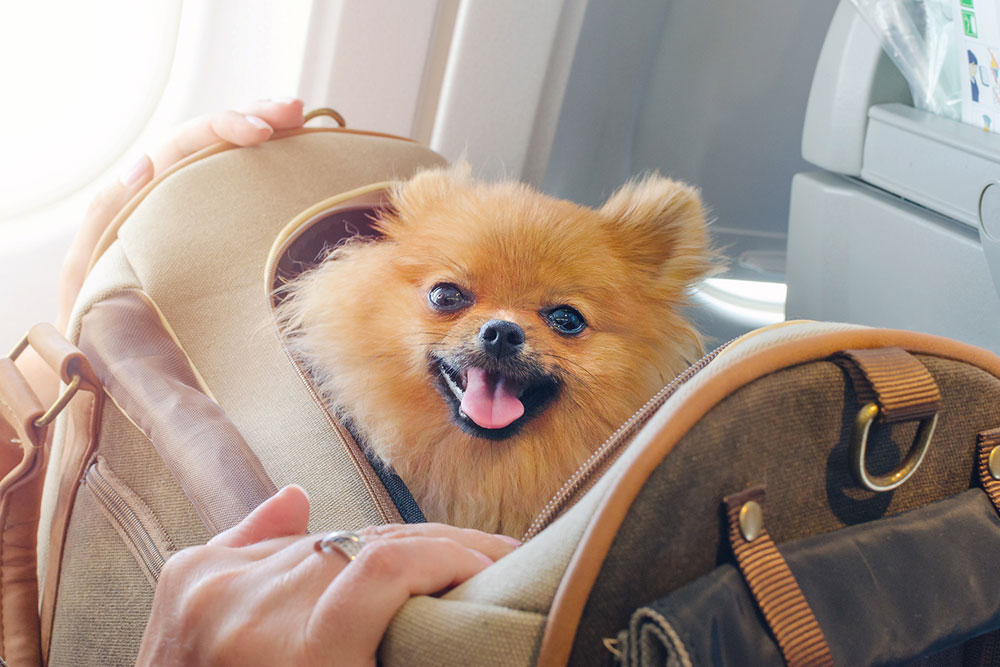
Bringing a dog home can be a rewarding experience. One of the best ways to do that is by adopting one, as it can help give the dog a new life. But, one needs to be prepared to provide the dog with the right care if considering adoption. So, it is important to do some research before visiting a shelter. Knowing what to expect can make the process much easier.
Mistakes to avoid
Dogs need proper care, support, and training to thrive. To provide that care, one needs to spend significant time, effort, and money. So, before adopting a dog, one should plan ahead and assess if they have the time and resources to care for the dog and pay attention to its needs. Rushing the process can lead to the following mistakes:
1. Prioritizing the breed
One of the most crucial mistakes to avoid when adopting a dog is basing the decision only on the breed of dog. For instance, one might have already cared for pets of specific breeds in the past, so when adopting another one, one may be tempted to look for the same breed. However, it is essential to go for adoption with an open mind, as each dog is different. Even dogs of the same breed may not have similar personalities or traits. So, it is best to get acquainted with a dog first and learn about its behavior, likes, and dislikes. At a shelter, one can spend some time with the dog, taking it for a walk and asking the shelter staff about the dog. Learning about the dog’s health needs and general demeanor is the best way to decide if the dog will fit in one’s lifestyle and home.
2. Not dog-proofing the space
Before becoming a pet parent, it is essential to prepare the home and make it pet-friendly. Those who already have pets would have systems in place to keep dogs safe, but those adopting a pet for the first time may skip this step. Dog-proofing the home will not only keep the dog safe but also valuable belongings, furniture, appliances, and more. One should be ready with dog beds, security gates, dog toys, and other essentials before bringing home a dog.
3. Being unavailable for long periods
The decision to adopt a dog should take into account one’s lifestyle and daily routine. If one has long working hours or spends a lot of time away from home, one should reconsider bringing home a dog. Dogs need attention and quality time. Also, older dogs may have health issues that need to be managed. So, if everyone in the household has busy schedules that keep them away for most of the day, then one should avoid adopting a dog.
4. Being impatient
For a dog being adopted, going to a new forever home might be the biggest change of its life. Even if it is a positive change, giving the dog some time to adjust and build its routine is crucial. Instead of being impatient, one should help the dog get acquainted with the new surroundings and indulge its curiosity. If there are other pets at home, then giving the new dog enough time to feel comfortable around other pets is essential. Also, one can consider connecting with a dog trainer to make the transition easier for the dog.
5. Constantly changing the routine
In the initial weeks following adoption, if one keeps changing up routines, like walk and play times and meal times, they will confuse the dog. This will also make it difficult for the dog to settle in. Consistent routine, at least in the early weeks, can help the dog bond with one and begin to feel comfortable sooner. One can then gradually introduce changes to the routine (if necessary).
6. Switching meals immediately
As sudden changes can confuse the dog, one should avoid switching the dog’s meals right after they bring it home. While one may be tempted to replace the adoption shelter’s meal plan that the pet is used to, one should introduce changes to the plan gradually. Although the goal is to ensure the dog gets the best food, one should consult a vet to choose the best ingredients and gradually make the dog get used to new foods.
7. Not scheduling regular vet visits
Visiting the veterinarian is essential, regardless of the age of the dog one adopts. Regular checkups can help one keep an eye out for health issues and seek treatment as soon as possible if required. Skipping vet visits can delay the diagnosis of health issues. Also, consulting a vet is the best way to ensure one provides the dog with the right food, support, and healthcare they need.
Adopting a dog is a a big responsibility, so, before making the decision, one should do their research and ensure that they would be able to care for the dog and pay attention to its needs. This can help one avoid feeling overwhelmed. Evaluating available resources is crucial to understand if one is capable of providing the dog complete care and support.