7 human foods that cats can enjoy
7 human foods that cats can enjoy

Pet owners are extremely protective of their fur babies. They want to ensure that their pets get the best of care and, most importantly, food. Most often, one gets tempted to share the food from the plates with them. But, not all the food we consume is safe for our pet cats. This makes it important to stay informed on the food items that are safe or harmful for cats. Read on to learn more.

Whole grain and whole grain foods
You can also share whole grain products like brown side, oatmeal, and more with your cat in moderate quantities. Whole grains are nutritionally dense and contain iron, fiber, vitamins, and tons of minerals that can boost your cat’s health. The fiber content can help improve digestive health, while vitamins and minerals can help make their coat healthy and shiny.

Cheese
Cats across the globe share an intense love for all things dairy. Not only will they enjoy a bowl of fresh milk, but they also love other dairy products such as cheese, yogurt, and even butter. When they are born, cats rely on their mother’s milk to survive for the first two to three months. But, as they grow, cats, much like many humans, tend to develop an intolerance for lactose, a protein that is found in milk and milk products. So, if your cat can digest milk and other dairy products without an upset tummy, you could consider giving them small amounts of cheese and even milk. They are rich in calcium and have a high level of protein. Cheese also makes for a great way to provide your pet cat with oral treatments.

Poultry
Cats are carnivorous animals and enjoy foods such as chicken, beef, and other animal products. As a matter of fact, meat is their natural choice of food for cats. Not to mention, they make a delicious and nutritious addition to their meals. But, when it comes to pet cats, doctors typically suggest cooked poultry. Raw meat can upset your cat’s tummy and lead to digestive issues, vomiting, and diarrhea. When purchasing meat for your cat, it is best to opt for fresh meat. This is because cold-cut meats and other preserved meat options usually have sodium or other preservatives added to them to increase their shelf life. They can be potentially harmful to your cat.

Fish
Fish are a rich source of omega-3 fatty acids that help your cat stay healthy. Omega-3 fatty acids also help your cat maintain a shiny fur coat. Salmon, tuna, and crabs are some of the options if you want to give your cat some fish. Also, make sure the fish is cooked before it is served. Raw fish can lead to infections and even wreak havoc on their digestive tract.

Vegetables
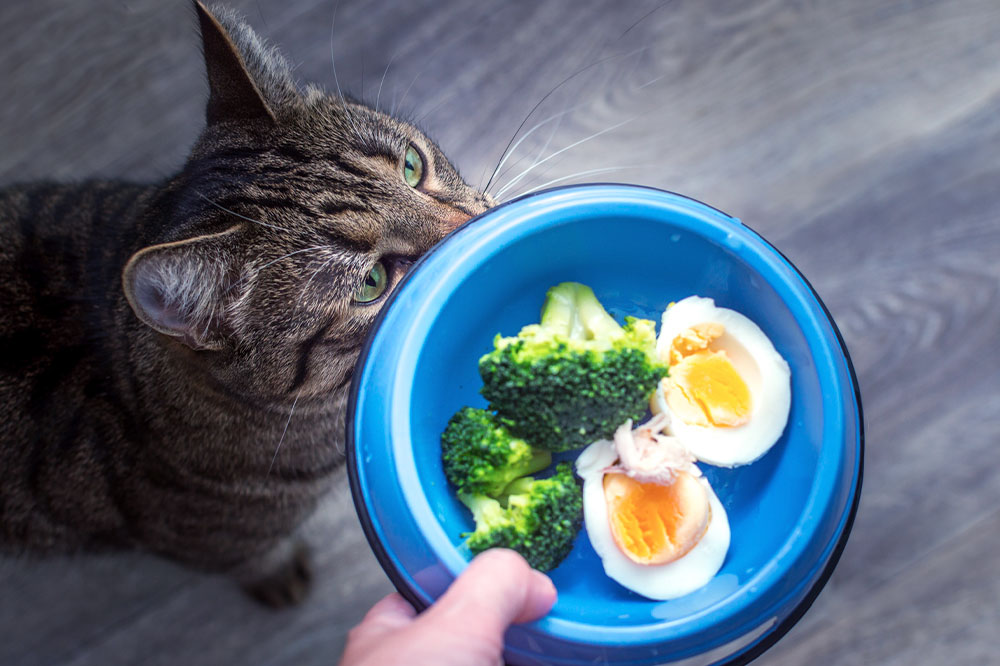
If you see your cat munching on plants, it probably means they want some fiber in their meals. You can try adding vegetables such as carrots, broccoli, asparagus, and even squash to their daily food intake. Of course, as with meat, you must consider washing and cooking the vegetables before you feed the cats. Avoid giving them raw vegetables as they may have difficulty digesting, leading to tummy troubles.

Eggs
Eggs are rich sources of protein, minerals, and vitamins. They can help boost your cat’s immune system and improve its overall health. Again, you want to avoid giving them raw eggs. This is because raw eggs can sometimes contain salmonella and E. coli, leading to infections and illnesses. Instead, you want to opt for boiled or scrambled eggs. Also, keep in mind that you do not want to feed your pet cat any fried and oily goods.

Fruits
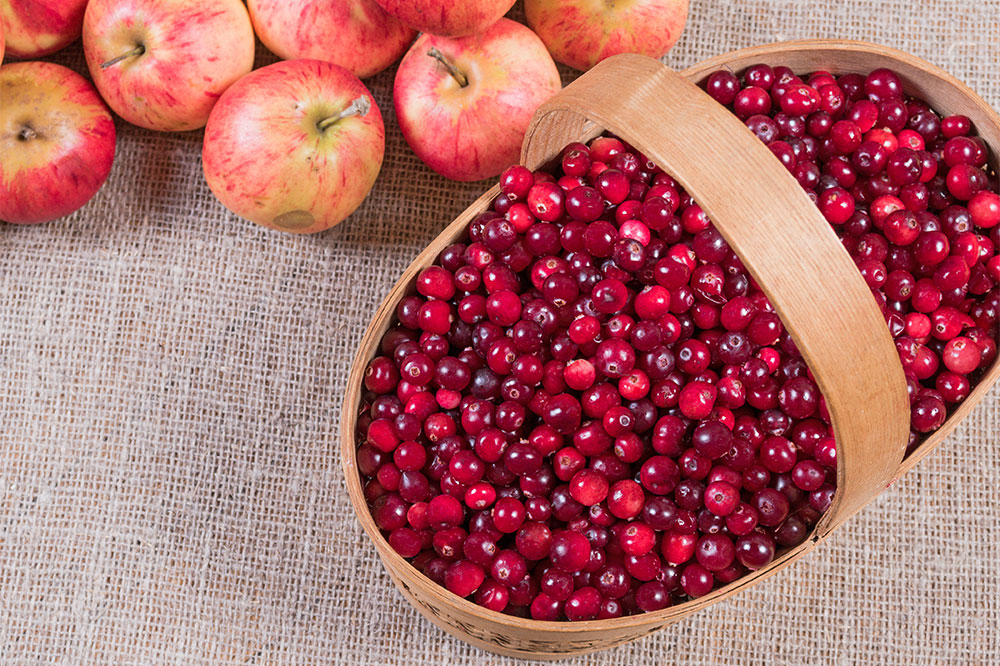
Fruits contain tons of nutrients, antioxidants, vitamins, minerals, and more. They are also rich in fiber which can boost your cat’s digestive health. Cranberries, bananas, and apples are safe for cat consumption.

While there are human foods that are safe for cats, they may not be able to fulfill your cat’s nutritional needs. In such cases, you can opt for cat food tailored to your cat’s breed, age, and health requirements. Some of the popular brands include IAMS™ Cat Food, Hill’s Pet Nutrition, Sheba®, PURINA® FRISKIES®, and 9Lives®.

Popular Articles

01

4 essential vitamins for optimum eye health

The eyes are complex organs and need a variety of nutrients to function optimally. Many common health conditions like glaucoma, cataracts, age-related macular degeneration, diabetic retinopathy, and others can negatively affect our eyes, which may lead up to a complete loss of vision. While some conditions like moderate astigmatism can be corrected using contact lenses or eye lenses, others can be prevented by consuming a healthy dose of these 4 vitamins: Vitamin A Vitamin A deficiency is one of the most common causes of blindness globally. Vitamin A plays a crucial role in maintaining a clear cornea (outside the covering of the eye). A person with this vitamin deficiency may find their eyes not producing enough moisture to stay lubricated. It is also essential for maintaining the eyes’ light-sensing cells called photoreceptors. A deficiency of vitamin A can also lead to xerophthalmia, a progressive eye disease that begins with night blindness. Continued deficiency can lead to the drying up of the eyes and tear ducts, and softening of the cornea, resulting in irreversible blindness. To maintain eye health, it is recommended to eat vitamin-A-rich foods, like sweet potatoes, leafy greens, pumpkins, squash, bell peppers, carrots, dairy products, egg yolks, and liver.
Read More
02

Avoid these 5 smartphone habits

For most people, it is next to impossible to get through the day without using smartphones at least a few times. You need to make calls, check updates on the go, and even use smart navigation systems on your phone. But some smartphone habits can severely hamper productivity, affect your health, and may make you overly dependent on the gadget. So, here are five smartphone habits to keep in check: Using an alarm app Using your phone as an alarm clock might seem completely harmless. After all, apps on the phone let you set multiple alarms. But it never stops at hitting the snooze or dismiss button once you wake up. You will be tempted to check your phone for messages and social media, which will delay getting out of bed. Opt for a conventional alarm clock and keep your phone away from you at night to avoid checking anything after getting up. Ignoring software updates Smartphone care is as important as learning how to use the device in moderation. Many people make the mistake of postponing crucial software updates and granting necessary application permissions. These habits make the device extremely vulnerable to cyber-attacks that can access confidential data. Always keep your phone updated to ensure the latest security updates are installed.
Read More
03

7 foods that help fight against Bronchitis

When you have bronchitis, it’s easy to overeat greasy, salty, or sugary foods to relieve the coughing, breathing, and throat pain. Alternatively, you may decide not to consume anything at all. However, you should take care and watch what you eat as refined carbs and saturated fats might impede recovery. Knowing which foods to avoid and which to eat may influence the severity of bronchitis symptoms. Here’s a list of a few items you should avoid. Foods with preservatives and additives Sulfites, a form of preservative, may aggravate bronchitis. Liquor, dried fruits, pickled foods, maraschino cherries, and lime juice all contain sulfites. Processed and quick meals frequently contain chemical additives, flavors, and colorings. Some bronchitis patients may be susceptible to or intolerant to these artificial components. Gas-forming foods Eating large meals or gas-producing foods strains the diaphragm, especially if you suffer from acid reflux. This can cause chest pains and asthma flare-ups. Beans, cabbage, carbonated beverages, onions, and fried dishes are examples of these foods. Sugar and HFCS Do you enjoy drinking sugar-laden colas? Be cautious. They can be dangerous to your health. Avoiding syrups, candies, and other sugary foods will help to relieve symptoms such as coughing, irritation, and discomfort in your lungs.
Read More