7 foods that help fight against Bronchitis
When you have bronchitis, it’s easy to overeat greasy, salty, or sugary foods to relieve the coughing, breathing, and throat pain. Alternatively, you may decide not to consume anything at all. However, you should take care and watch what you eat as refined carbs and saturated fats might impede recovery. Knowing which foods to avoid and which to eat may influence the severity of bronchitis symptoms. Here’s a list of a few items you should avoid.
Foods with preservatives and additives
Sulfites, a form of preservative, may aggravate bronchitis. Liquor, dried fruits, pickled foods, maraschino cherries, and lime juice all contain sulfites. Processed and quick meals frequently contain chemical additives, flavors, and colorings. Some bronchitis patients may be susceptible to or intolerant to these artificial components.
Gas-forming foods
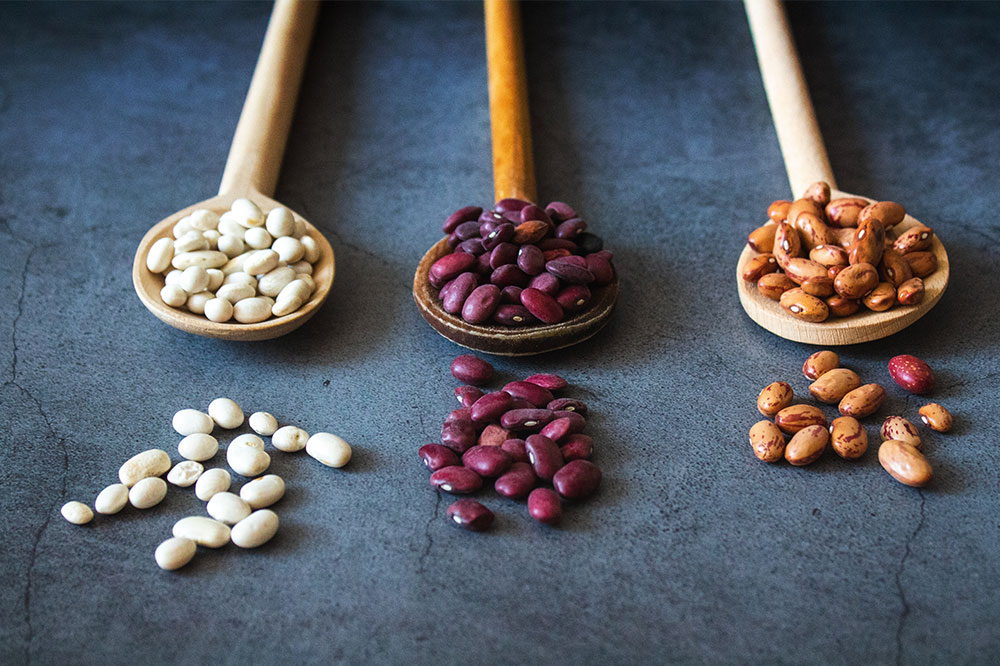
Eating large meals or gas-producing foods strains the diaphragm, especially if you suffer from acid reflux. This can cause chest pains and asthma flare-ups. Beans, cabbage, carbonated beverages, onions, and fried dishes are examples of these foods.
Sugar and HFCS
Do you enjoy drinking sugar-laden colas? Be cautious. They can be dangerous to your health. Avoiding syrups, candies, and other sugary foods will help to relieve symptoms such as coughing, irritation, and discomfort in your lungs.
A study released in the Nutrition Journal in October 2015 discovered a link between consuming soft drinks flavored with High Fructose Corn Syrup (HFCS), such as colas, and the incidence of chronic bronchitis in individuals. Read nutrition facts, recognize this ingredient, and eliminate goods sweetened with HFCS, such as bread, cakes, and beverages.
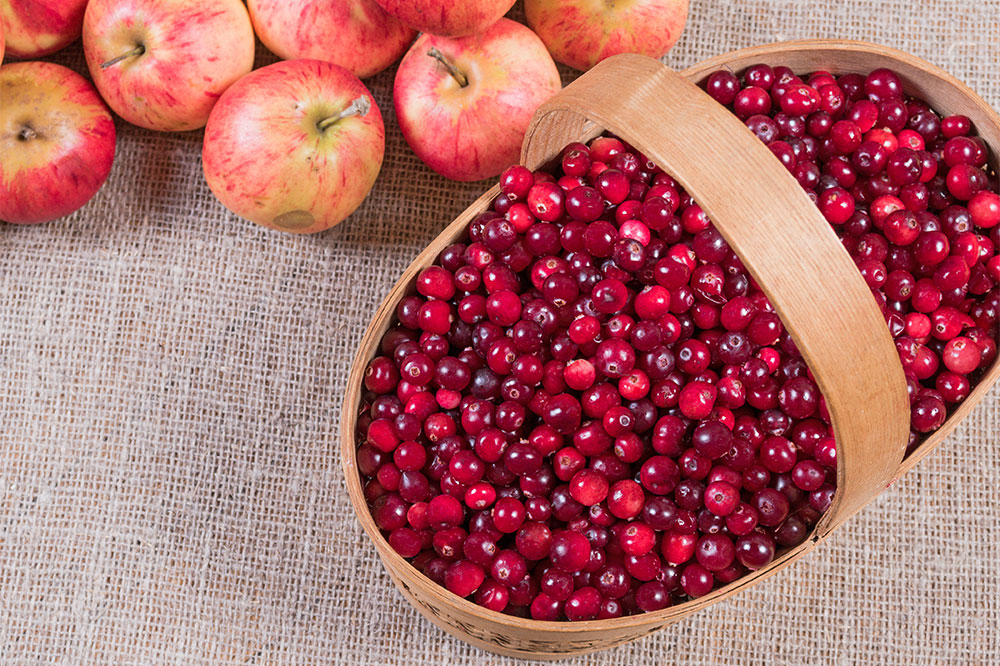
Many sweets include HFCS and refined carbs that are deficient in health-promoting elements. If you’re searching for healthier alternatives, fruit can be your best option. Fruits for bronchitis, including berries, oranges, and apples, provide fiber, which slows your body’s absorption of glucose while also being rich in inflammation-fighting minerals.
Meats
Processed and red meats are not foods to eat when you have bronchitis. When you suffer from bronchitis, it is essential to consume anti-inflammatory protein sources. Try fatty seafood such as salmon, sardines, and tuna rather than processed meat.
Fried foods
They have higher fat content and can increase the risk of cholesterol, diabetes, and heart disease. Fried foods can also induce lung inflammation and damage the lungs by exacerbating bronchitis signs. Avoid consuming potato chips and other similar foods.
High-fat milk products
While whole milk and high-fat cheese contain calcium and nutrients that might benefit your health, they can also cause mucus and interfere with your breathing. Lactalbumin in cow’s milk, increases mucus in the respiratory tract and intestines. When you consume cow’s milk, mucus production might be overstimulated, and can cause issues with breathing.
Drink plenty of water to reduce mucus and coughing. Also, it is necessary to stay hydrated. So, avoid caffeinated beverages which dry your system and make it challenging to expel mucus. It would help if you drank sufficient water for a healthy lifestyle.
Consume adequate chili peppers or foods containing cayenne pepper. Not only do spicy meals make the nose run, but they also clear the mucus, allowing you to cough more effectively. Consume mullein tea. Mullein, a classic folk cure for respiratory disorders, provides yet another method for removing mucus from the lungs.
Avoid salty foods
You should avoid eating salty foods. High-salt foods can increase the risk of high blood pressure and harm respiratory health. So, salty snacks such as pretzels and tinned foods are out.
Conclusion:
Bronchitis is a disorder caused by inflammation of the bronchial tubes, the passages that carry air to the lungs. While asbestos exposure and genetic asthma are unavoidable, you do have control over the foods you consume. Avoiding high-calorie and fried foods will assist you in maintaining your overall health while alleviating the symptoms of lung illness. Avoiding the foods listed above should help to relieve lung discomfort or soothe symptoms of conditions such as bronchitis.