7 easy ways to prevent trash bags from slipping
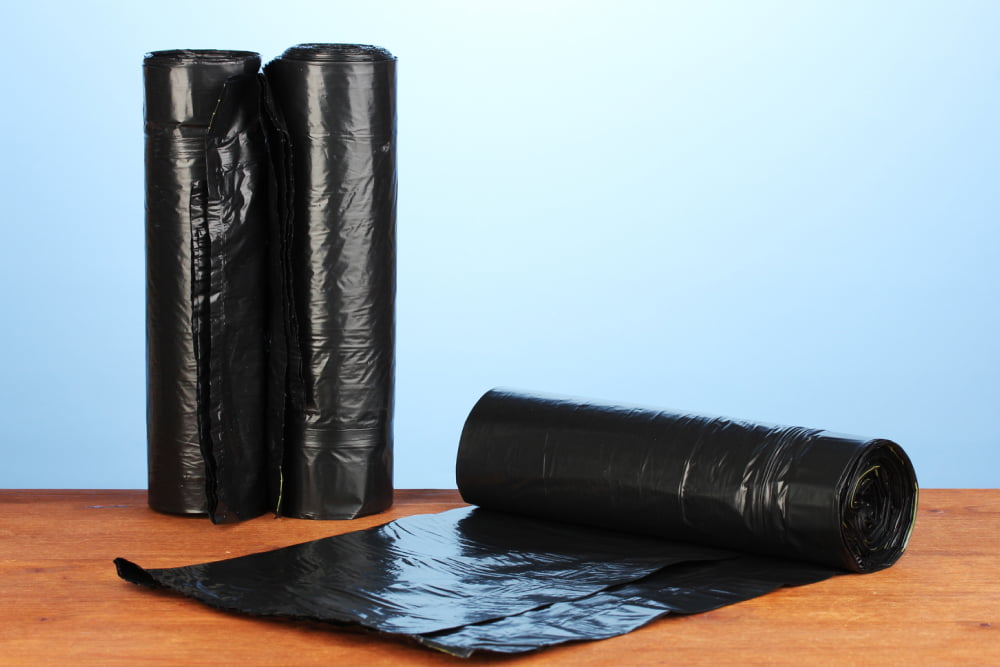
Trash cans and trash bags are usually designed to work together in tandem, but one common problem households face is when the bag slips off the can. This creates a lot of mess and extra work, making the simple chore of taking out the trash very frustrating. However, there are several ways to prevent trash bags from slipping. Here are a few simple tips and tricks that can help in the process.
Buy trash cans that have a grip
One of the most effective ways to prevent trash bags from slipping is to use trash vans that have proper grips. This means purchasing cans that have been designed with textured bottoms. The bottoms are usually rubberized or have unique patterns, which provide enough friction to help the bag stay in place. Additionally, one should look out for trash cans that come with extra features meant to provide the necessary grip to the trash bags so that they do not slip during use.
Opt for the double-bagging method
Double bagging is a common practice among office janitors to prevent trash bags from slipping. To do this, one can simply place one trash bag inside the can and then place another bag over the top of the first one. This may seem wasteful, but it creates more friction and helps hold the bags securely in place, making it an effective method. Additionally, double bagging is more sanitary as it prevents garbage fluids from oozing out and produces less odor.
Pick the right shape and size of the trash bag
Although it may seem like a simple task, choosing the right trash bag can make a big difference. Many people make the mistake of buying a bag that is not suitable for their trash can, resulting in a messy situation in the future. Therefore, it is important to choose the appropriate trash bag for specific needs to avoid any inconvenience.
When choosing a trash bag, the first step is to identify the shape of the trash can. Trash cans can come in different shapes and sizes, such as circles, rectangles, squares, and half-circles. Once the shape of the trash can is determined, one can check the width of the bag that fits best.
The next step is to figure out the correct size. One might assume that choosing a bag that’s the same size as the trash can would be the best option. However, this is not always the case, as a bigger bag is often required to prevent it from slipping off. This is because enough of the bag needs to be left at the rim of the trash can to secure it in place. For example, for a 48-gallon trash can, one will need a 65-gallon trash bag to ensure it fits securely.
Utilize trash bag hooks or bands
Another effective way to prevent trash bags from slipping is to use additional accessories, such as hooks or bands that are specially designed for trash cans. These accessories are used to secure the trash bags to the rim of the garbage can. To use them, simply attach the hooks or bands to the edge of the garbage bin and then place the bag in the bin with its edges attached to the hooks or bands. This will ensure that the bag stays put and doesn’t slide down.
Use extra-large rubber bands as a DIY hack
In case, specialized hooks or bands are not available, simple rubber bands can also keep the trash bag in place. Just make sure the rubber bands are sturdy and large enough to go around the trash can without breaking. Once this is done, just place the bag in the trash can and leave enough part of the bag at the top. Then, fold this excess part of the bag along the edge of the can. Finally, stretch out a rubber band and place it over the bag to secure it to the trash can. This will effectively prevent the bag from slipping.
Use the knot-in-a-bag trick
Here is a helpful trick to prevent the trash bag from slipping off the can. This method is especially effective with high-density bags and liners. To do this:
- Tie a small knot at one of the corners of the bag before placing it in the trash can.
- Make sure the knot is not too tight and leave some slack so that it can be adjusted later on.
- Once the knot is securely tied, insert the bag into the trash can and stretch it out over the edge of the can. This should keep the bag securely in place without any unwanted slipping.
Use binder clips
Using large binder clips is a great idea to prevent trash bags from slipping. Not only do these clips make for useful office accessories to keep documents in place, but they are also effective in securing the trash bag to the can. They can easily keep the trash bag clamped to the rim of the can, with minimal chances for slippage. To use this hack, make sure to purchase large-sized binder clips that measure at least two inches. One can easily find them at any major retailer or supply store. For maximum effectiveness, make sure to fold down the metal bars of the binders while securing the trash bags.