7 common window installation mistakes
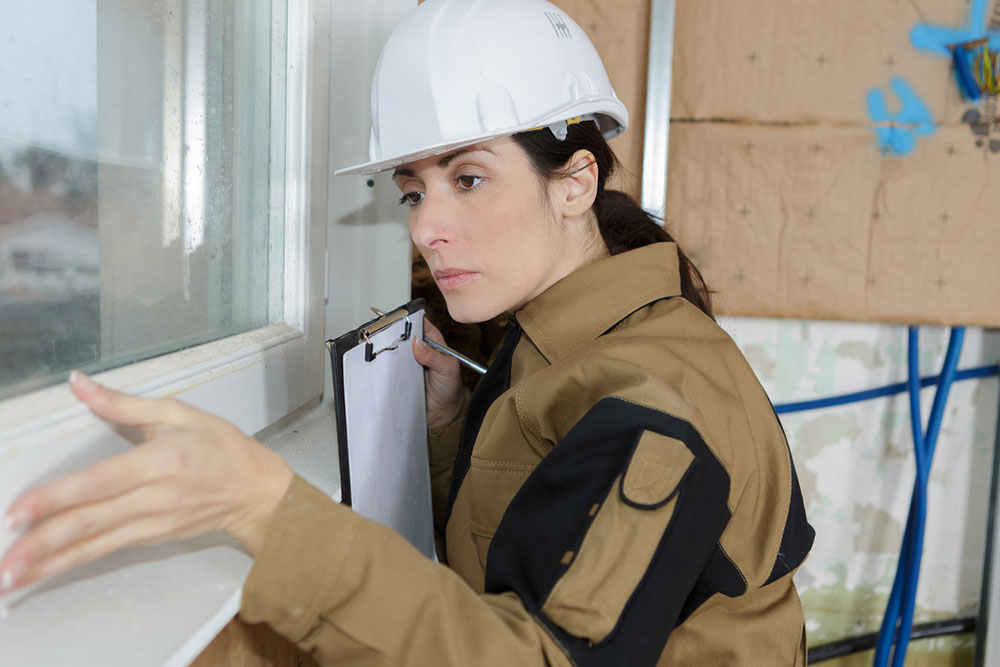
Windows not only protect the inhabitants from external elements but also provide a beautiful view of the outdoors. It is essential to maintain the windows well to ensure their longevity and effective insulation, which makes the house energy-efficient. However, to maintain this level of protection and efficiency, it is essential to be aware of certain factors. Additionally, when installing new windows or replacing damaged ones, it is important to avoid common mistakes.
Taking wrong measurements
Taking incorrect window opening measurements is a common mistake people make during installation. This can give rise to a host of problems as the installation process progresses. To ensure the window is a proper fit, it is important to take accurate measurements. An incorrectly measured rough opening could lead to an ill-fitting window frame that allows leaks and drafts, compromising the insulation and efficiency of the property. To avoid this problem, homeowners can either stick to standard-size windows to eliminate errors or hire a professional. Following these steps can help avoid being stuck with an inefficient window that needs to be replaced.
Poorly attached barriers
Another common mistake homeowners usually make when installing windows is not checking if the weather-resistant barriers are properly attached. A loosely attached barrier can cause energy leakage and compromised sealing for the property. The main purpose of these barriers is to provide prevention against air and moisture infiltration and create a tight seal. When the barrier is not installed correctly, it can give rise to leaks and gaps, resulting in energy loss. It can allow hot air to enter the house during hotter months and cause a loss of heating during the colder months. Moreover, the weather-resistant barriers and flashing must be installed appropriately to avoid paying high utility bills.
Not checking placement
The placement of the window during the installation process is crucial, as a simple mistake can lead to various problems that might arise later. Angled installations and out-of-place windows are just a few of the concerns that could lead to compromised insulation, uneven gaps, difficulty in operation, and structural issues. Therefore, to avoid these problems, it is important to take precautions to ensure that the windows remain level, centered, and at the proper angle throughout the process. Careful monitoring should be done at every step of the installation process. Additionally, it is crucial to ensure the window is tightly secured and firmly attached to eliminate the risk of free movement.
Using spray foam
Incorrect usage of spray foam is a common mistake one can make when installing windows. Spray foam takes time and space because it expands and occupies more surrounding space. When used during window installation, expanding spray foams can result in distortion of window frame shapes or cause wood jambs to bend. As a result, the distortion can impact the functionality of the window and the insulation it provides to the property. Additionally, the use of spray foam can trap excess moisture, causing buildup. As the foam expands, the chances of mold buildup, rotting, and water damage increase. Instead of spray foam, non-expanding sealants should be used when installing windows and window frames. These sealants will not impact the shape and functionality of the windows.
Choosing wrong jambs
Another common problem with window installation is having to deal with wrong-sized jambs. Jambs play an important role in the fit and support of windows in the rough opening. One needs to consider the size and width of the jambs before ordering them for installation. The width of the jamb can vary depending on the material used to make the interior of the house. For instance, a house with drywalls will have jambs of different widths than windows that need to be installed on a thicker sheathing. It is advisable to consult a professional and learn about the correct installation process and the manufacturer’s guidelines rather than relying solely on instincts.
Forgetting about the back slope
Forgetting to install a back slope when installing windows on the property can lead to increased drainage issues and a higher level of water penetration. A back slope is essential to the building structure as it ensures that the water penetrating the building walls is properly redirected outside instead of making its way into the property. Without a back slope, the water can accumulate near the window and cause mold growth, increased moisture, and structural problems. Creating a back slope can effectively drain water from the interiors and safeguard the building structure while ensuring the durability and longevity of the windows.
Not following instructions
Another common mistake people make when installing windows is that they overlook the manufacturer’s instructions. This can lead to potential problems and complications. Window manufacturers always provide a set of instructions for the proper installation of their windows. While some may believe that the instructions are the same for all manufacturers, it is still important to read and follow them. Manufacturers invest time in providing users with best practices and specific requirements for correctly handling and installing windows. The instructions are included with the product for a reason. So, instead of rushing through the installation process, it is advisable to familiarize oneself with the instructions and requirements. It also helps to prepare oneself with the right tools in case of any potential issues. A key problem with not following the manufacturer’s instructions is that it can impact the validity of the warranty.