6 tips for choosing the best home water purifier
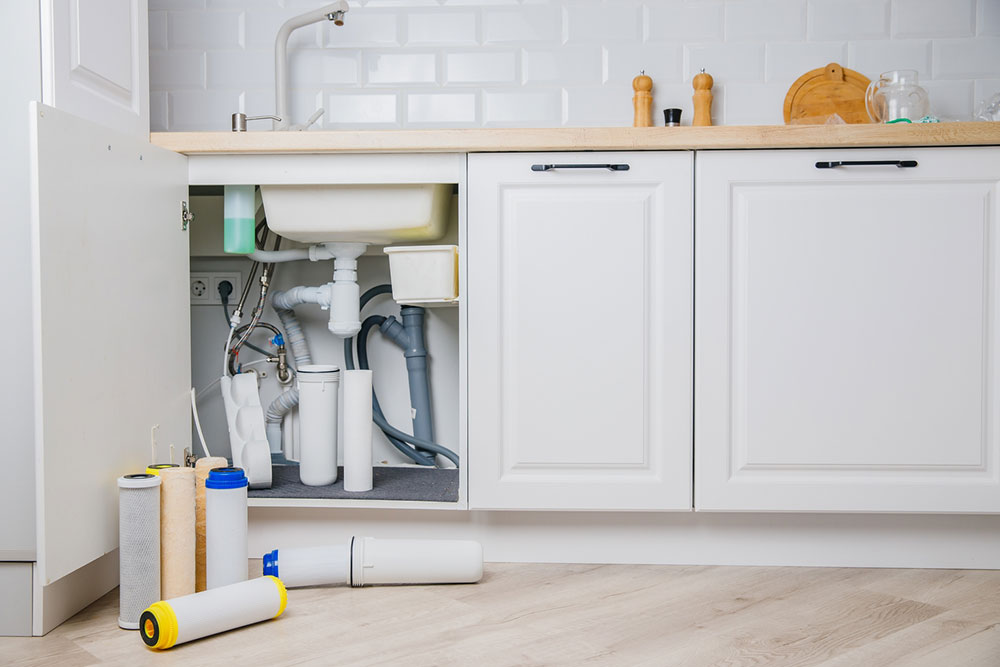
Water bodies getting increasingly contaminated each passing day raises a concern for people. One can not help but wonder how unsafe drinking tap water might be if improperly purified. This is why investing in a good water purifier is an ideal choice. With the right product, one can safeguard one’s family’s health. To assist in making a decision, here is a brief guide discussing the benefits of having a water purifier at home.
Know more about the water source
Before selecting a water purifier, it is important to determine the source of the water supply to one’s house. This is crucial because it helps one understand what contaminants might be in the water. One can obtain this information through the Consumer Confidence Report (CCR). A CCR is a report that provides information about public water sources. It mentions the specific water source, the treatment processes the water has undergone, and what is present in the water that is ultimately supplied to one’s house. This also includes information on the contaminants that could be remaining. One can obtain a Consumer Confidence Report by visiting the U.S. Environmental Protection Agency (US EPA) official website.
Decide the purpose of water purification
After learning about the water quality, one should evaluate why they need a water purifier. One must decide if they need the purifier only for drinking or all water usage. If one chooses the latter, they may need to install a whole-house filtration system. If not, they can choose a small under-sink water purifier or a water filter pitcher.
Select the type of purifier
One can select a type of purification system based on what they learn about their water. Several types of water purifiers are available, all working in different ways. It is, therefore, important to know the details about the possible contaminants. Here are a few details about some common types of water purifiers one can buy:
- Reverse osmosis (RO) system: A reverse osmosis system is considered one of the most effective water purification systems. This is because it can remove most contaminants, certain harsh toxins, and salts from the water. The system works with the help of a reverse osmosis membrane, through which unclean water is pushed and purified water is obtained on the other side. The contaminants are then expelled from the system. The RO system is popular as an under-sink water purifier. However, it is unsuitable for whole-house filtration systems due to its relatively slow purification process.
- Activated carbon system: Water purifiers with activated carbon effectively remove certain impurities such as agricultural chemicals, sediments, and chlorine. This system functions by heating carbon or charcoal to create activated carbon, which then absorbs impurities from the water, providing purified water. This system is frequently used in whole-house filtration systems and is generally combined with other water purification methods for optimal results.
- Ultraviolet filters: Ultraviolet water purification systems are highly effective in removing bacteria and viruses from water with the help of UV rays. These systems are used in both whole-house filters and under-sink water purifiers. However, it’s important to note that UV purifiers or filters don’t affect chemical contaminants such as chlorine and agricultural chemicals. Therefore, these systems are combined with other purification systems for purifying drinking water. One can also find various water purifiers that combine these purification methods for the best results.
Check for certification
Choosing the right water purifier ensures one and one’s family consume safe and clean water. However, with so many available options, it can be challenging to determine which one to buy. NSF certification is one of the most critical factors when purchasing a water purifier. If a water purifier is NSF-certified, it meets strict standards for removing contaminants from water. To ensure that one purchases an effective water purifier, one must check the brand’s website for its NSF-certified products if one is buying it online. This step is crucial because one cannot always rely on the claims made by the brand. Therefore, purchasing only an NSF-certified water purifier is highly recommended for one’s family’s safety.
Check the storage capacity
When purchasing an under-sink water filter, it’s important to check the storage capacity to ensure it meets one’s needs. This will tell one how much water the system can purify in a single cycle. If one has a big family or consumes a large amount of water, it’s a good idea to consider getting a water purifier with a bigger storage tank. This will help ensure one always has enough drinking water to meet one’s needs.
Consider maintenance
Water purifiers are essential in any household, providing clean and safe drinking water. However, it is equally important to maintain these purifiers regularly, as neglecting their maintenance can lead to potential health hazards. Over time, the filters in the purifiers can accumulate impurities and contaminants, causing the water to be improperly treated. Therefore, purchasing a water purifier from a reputable company is crucial, and looking for companies that offer periodic maintenance services at a reasonable cost. Doing so will ensure that one’s water purifier functions optimally and one’s family always consumes safe and healthy water.