6 household plants that are toxic to dogs
As a pet parent, you probably pet-proofed your home before getting a dog or a cat. You ensure that the animals have no access to the chocolates, the antifreeze, the repellents, and even put all the hazardous toys out of their reach. But, most of us forget about plants. Read on to know how those seemingly safe and aesthetic potted plants in your home or yard can be toxic for your pet dog:
6 household plants to keep way from your dogs
Sago palm
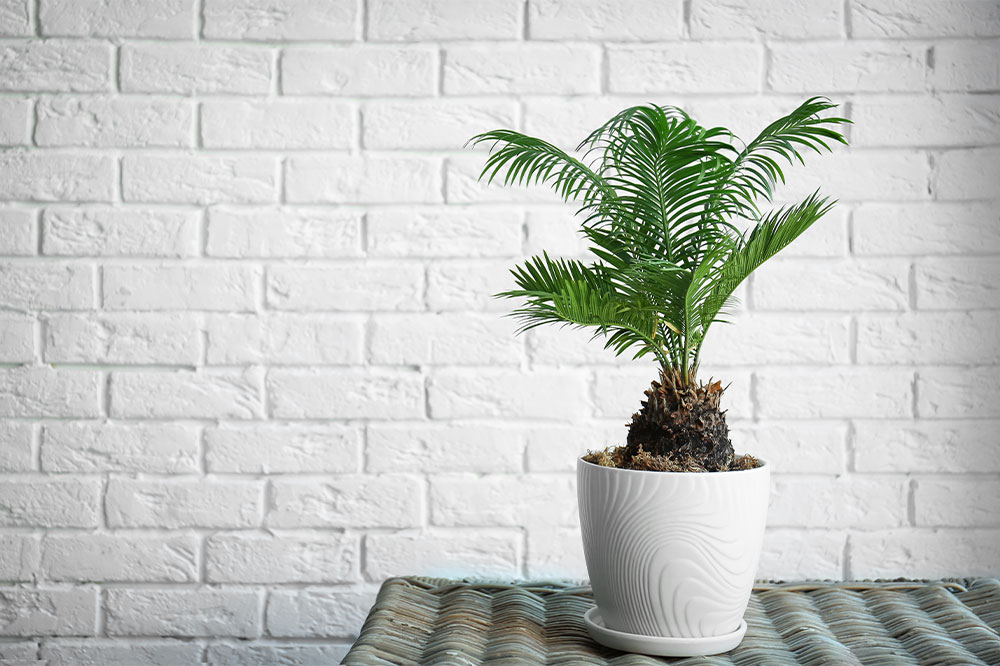
The sago palm plant is a very common sight in households worldwide. Its leafy green aesthetic makes it the perfect addition to your indoor plant collection. It is also effortless to care for, making it a popular plant choice for homes. But, you may want to remove it or steer clear of it if you have a dog. This is simply because sago palm is toxic to dogs. It contains an element known as cycasin, which, if consumed, can lead to a wide range of symptoms or be fatal. If your dog has ingested this plant, you may note symptoms such as diarrhea, vomiting, tremors, loss of balance, and even seizures. In worse cases, consuming the sago palm plant can also lead to liver failure or death. Note that every part of this plant is toxic to dogs.
Aloe vera
The gel found in the aloe vera plant leaves has tons of health properties and works wonders for the skin. Not to mention, it is very low maintenance, which makes them the perfect choice for both indoor and outdoor decoration. But, what many do not know is aloe vera is toxic to dogs. The gel in the plant contains two toxic components: saponins and anthraquinones. These can prove harmful to your pet if ingested. Typical signs of aloe vera ingestion in dogs include vomiting, diarrhea, upset stomach, and lethargy. It can also lead to central nervous system depression. If you do want to keep an aloe vera plant at your house, keep it out of your dog’s reach. You can place it on a ledge or hang it from a hook above ground level and inaccessible to your dog.
Amaryllis
The amaryllis is a flowering plant that blooms during spring. They are a common sight in many yards and are also frequently found in households. It is their colorful bulbs that makes them a very attractive plant to humans. But, these bulbs are toxic to dogs. Consuming even small amounts of this plant can lead to vomiting, depression, drooling, and diarrhea in dogs. In some cases, the pooches may also experience tremors.
Milkweed
Milkweed, scientifically known as Asclepias, is very commonly seen outdoors. Milkweed contains the toxic components of cardiotoxins and neurotoxins. Cardiotoxins affect the dog’s heart, whereas neurotoxins affect brain function and the animal’s mental state. So, if you do have a dog at your home, you may want to leave this plant outdoors and out of your dog’s reach. Dogs who consume even small amounts of this plant can experience weakness, diarrhea, depression, seizures, and even trouble with breathing. In worse cases, it can lead to organ failure and even death.
Azaleas
Azaleas, which belong to the rhododendron family of plants, can be poisonous to your pooch. All parts of this plant, including the flower, leaves, stem, and even seeds, contain the toxic element grayantoxin. When consumed, this toxin can lead to hypersalivation, vomiting, muscle weakness, troubles with vision, and bradycardia. It can also cause low blood pressure and lead to cardiovascular collapse, which can prove fatal.
Tulips
Tulips contain the toxin elements Tulipalin A and Tulipalin B. The stem and the flower also contain these, but the bulbs of this plant are more dangerous. When consumed, tulips can adversely affect your dog’s digestive tract, resulting in vomiting, diarrhea, hypersalivation, and even depression. This plant blooms during the spring, so keep an eye on your dog while outdoors.
Aside from plants, dogs also get diseases and infections due to ticks and fleas. This makes it essential to get the right protection from various parasitic bugs. Here are some of the most popular options to protect your pet
Bravecto®
Bravecto® is an oral and topical treatment option for ticks and fleas. The protection lasts for up to 12 weeks. Bravecto® is FDA approved and is effective in adult dogs and puppies over six months of age. The treatment is also cost-effective compared to other options on the market.
Simparica Trio®
Simparica® is another popular treatment for ticks and fleas. It is effective for up to 35 days and starts killing fleas within four hours. It can effectively eliminate up to five species of ticks, tackle deer ticks, and reduce the chances of infections such as Lyme disease. This option is only for use for dogs aged 8 weeks or older.
Advantix®
Advantix® is a topical treatment option for fleas, ticks, mosquitoes, sandflies, and lice. It needs to be applied every month and can be used in dogs that are older than seven weeks.
There are also other treatment options to prevent heartworms, roundworms, and tapeworms in dogs. Check with the vet before starting any new treatment for your dog.