6 Foods to Eat and Avoid for Constipation
The studies show that around 14% of people face chronic constipation at some point. The symptoms of constipation include passing stools less than three times a week, feeling bloated all the time, having hard stools, and needing too much force to pass the stool. Constipation can be due to poor eating habits, slow digestion process, dehydration, illness, pregnancy, certain treatments, etc. A person should keep their food habits in check to manage constipation.
6 foods that can help treat constipation
Given below are some fiber-rich foods that can help relieve constipation and regularize bowel movements:
Fruits
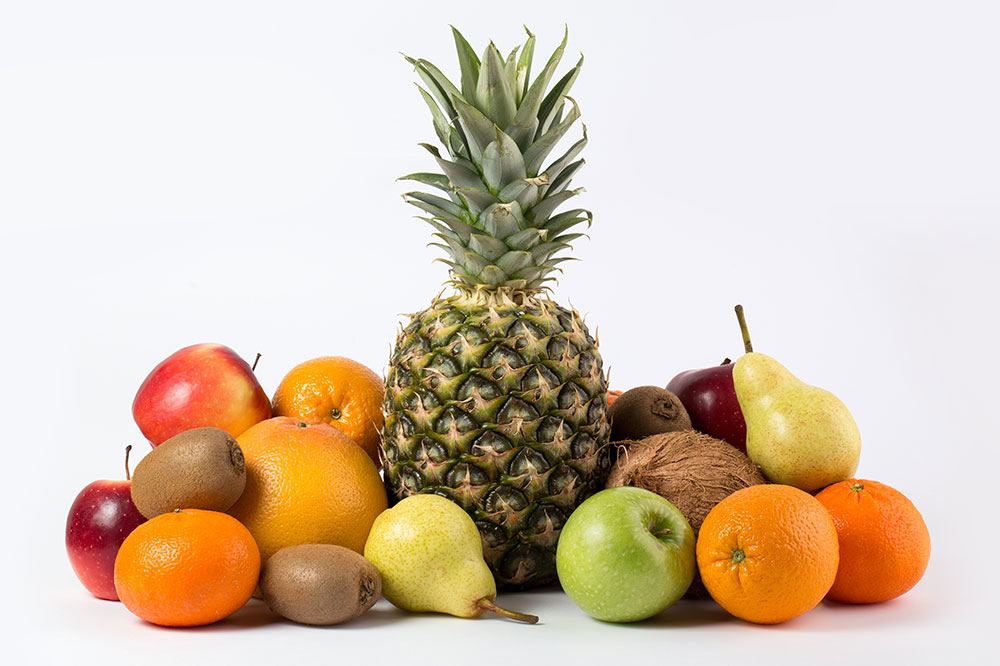
Fruits are rich in insoluble fiber and have high water content, making them a good pick, especially if one suffers from constipation. Here are some high-fiber fruits that can help ease the condition:
Kiwi : Kiwi contains the enzyme actinide, which helps with indigestion, pain, acid reflux, and abdominal discomfort.
Apples and pears : These fruits have high water content and can aid digestion.
Blackberries : They are a rich source of fiber and water. A bowl of blackberries and raspberries can help with constipation.
Grapes : They contain a lot of water and can hence add moisture to hard stools.
Whole wheat pasta, bread, and cereals
Whole wheat products like pasta, bread, and cereals are a great source of insoluble fiber. Wheat bran is the hard outer layer of the wheat kernel. It is rich in insoluble fiber and is an effective treatment for constipation in older children and infants.
Vegetables
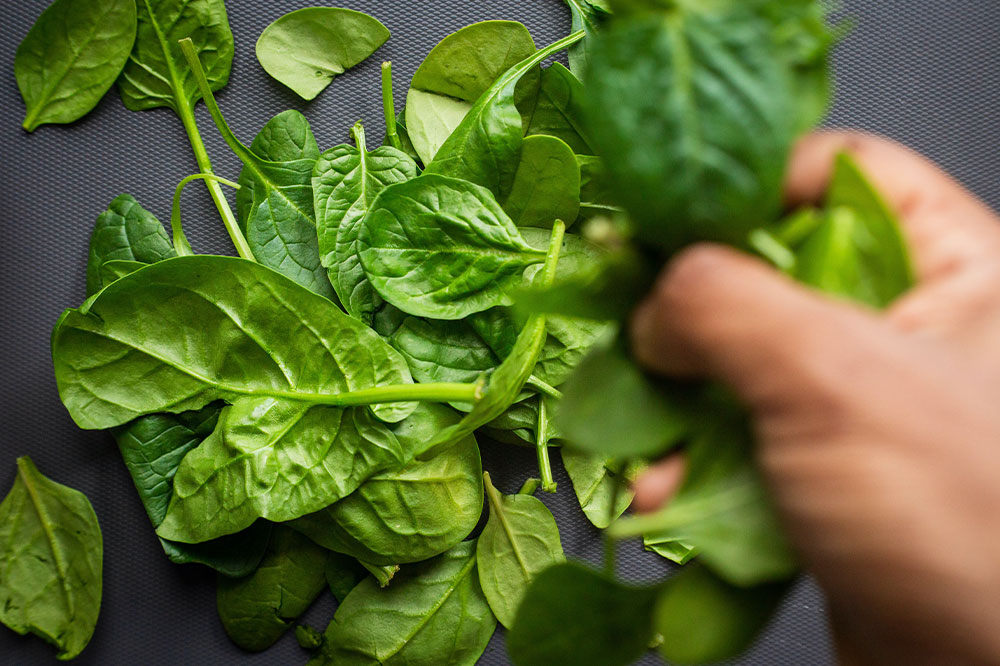
Vegetables, mainly green leafy vegetables, are among the best foods for easing constipation. They deliver a healthy dose of insoluble fiber and other vital nutrients. If a person has constipation, it is best to have vegetables like carrots, cabbage, broccoli, asparagus, kale, lettuce, green beans, and more.
Nuts and seeds
Another great source of fiber is nuts and seeds. It is also loaded with healthy fats like omega-3 fatty acids. They also promote heart and eye health. One can add these nuts and seeds to one’s daily meal plans to ease and manage constipation. Nuts can be eaten as snacks or sprinkled on salads or hot cereals. They can also be toasted and blended in smoothies for a great taste. One can try nuts high in fiber, like walnuts, almonds, cashews, brazil nuts, and pecans. The seeds that can help ease constipation include chia seeds, flaxseed, fennel seeds, pumpkin seeds, and black sesame seeds.
Beans and legumes
Beans and legumes are a great combination of soluble and insoluble fiber. They are also an excellent source of Vitamin B, protein, and other important minerals. One can try kidney beans, lentils, lima beans, pinto beans, baked beans, and black-eyed peas that are good sources of fiber to relieve constipation.
Flaxseeds
Flaxseeds have traditionally been used to treat constipation due to their natural laxative effect. Besides the numerous health benefits, flaxseeds are rich in soluble and insoluble fibers, making them a great digestive aid. Flaxseeds can be used in muffins, bread, cakes, or as a garnish for yogurts and cereals.
Besides these foods, one should drink plenty of water to avoid constipation. If a person is dehydrated, there will be less water in the digestive tract to help keep stools soft. Therefore, it is recommended to increase fluid intake to avoid or manage constipation.
6 foods to avoid for constipation
After discussing foods to eat for managing constipation, here are 6 foods to avoid:
Dairy products
When a person faces digestion issues, it is best to avoid dairy products like cheese, ice cream, and other milk products with the high calcium content. These items have high-binding properties and can lead to constipation.
Red meat
Though red meat is high in protein, it takes a long time to be digested by the body. Also, it lacks fiber, the most important nutrient for preventing constipation.
Processed grains
Processed grains like white rice, white pasta, and white bread should be avoided because they are low in fiber content and lead to constipation.
Fried and oily food
If one eats large portions of fast food, it can trigger the issue of impaired bowel movement. This is because these foods are high in fat and low in fiber. This is a deadly combination when it comes to the stomach. It can slow down digestion in the same way that red meat does.
Refined carbohydrates
It is best to cut down on pastries and highly processed snacks because they contain refined carbohydrates. These can harm the process of digestion. Foods rich in unhealthy carbohydrates do not add fiber to the meal. This further alleviates constipation. One should swap such food with wholegrain items with zero chance of making bowel movements difficult.
Frozen foods
Frozen foods might seem convenient, but they barely add nutritional value to a meal. They are generally laden with salt, fats, and preservatives, three major red flags for the digestive system. One should read the label before buying a frozen food box. Buying a product that contains natural fiber from fruits and vegetables is best.
The consumption of numerous fruits, vegetables, legumes, and seeds might ease constipation. A high-fiber meal plan helps soften stools, give them weight and volume, and encourage bowel motions. But, high-fiber meal plans may worsen constipation in some people, so it’s vital to discuss the options with a healthcare provider. Also, it’s crucial to consume a lot of water. Keep in mind that as the fiber intake rises, so will the need for fluids. Another important element in reducing constipation symptoms and establishing healthy bowel habits is regular exercise. If one has constipation, it is best to gradually include and eliminate some of the above-mentioned foods from one’s regular meal plan. Also, one should drink plenty of water and engage in physical exercise, to improve regularity, and stool consistency.