6 foods that help fight prostate cancer

Diagnosing and treating cancer can be a draining process. It becomes imperative for patients and their caretakers to ensure that patient is eating the right food. This provides the body with the necessary energy to fight the symptoms. It also helps the body to recover from the damage caused by the condition and treatment options employed to keep cancer under control. Therefore, the inclusion of foods with anticancerous properties becomes non-negotiable.
Tomatoes
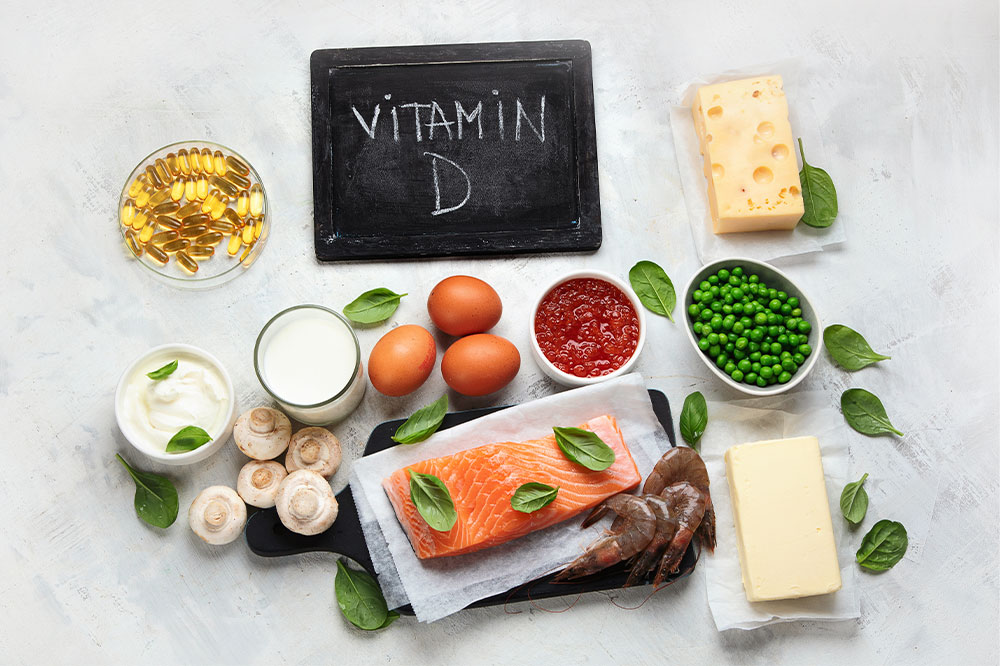
Lycopene is an essential component that helps fight prostate cancer. This compound is found in abundant quantities in tomatoes. Aside from prostate cancer, lycopene also helps manage and prevent cancers of the lungs and stomach. Including meals rich in vegetable and fruit content as a staple can help combat numerous health concerns. Other foods that carry high amounts of lycopene include guava, papaya, and watermelon. Pectic has also been proven to decrease the number of cancer cells in the body by 40%. However, it should be noted that the compounds are more effective if taken in their natural form.
Fiber-rich foods
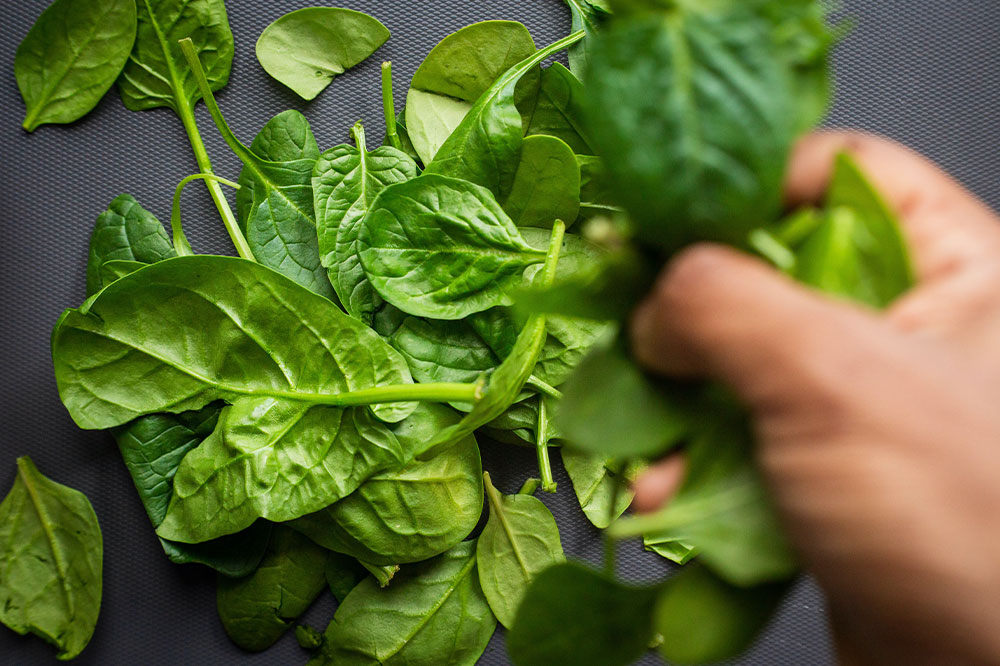
Studies in the past have suggested that Asian men are less prone to developing prostate cancer than Caucasian men. This difference can be attributed to the presence or lack of fiber in one’s meals. Including good quality and quantity of vegetables in one’s meals greatly prevents and manages prostate cancer. The inclusion of fiber-rich leafy vegetables also provides the body with the ability to fight off free radical damage. Adding vegetables like spinach, lettuce, salad greens, broccoli, and cauliflower is recommended. Broccoli, a cruciferous vegetable, contains sulforaphane, a phytochemical that helps in fighting against cancer development.
Fish
Omega-3 fatty acid is an essential component of a well-balanced and nutritious meal. It helps protect the body from undergoing damage suffered because of frequent wear and tear. Fish rich in this compound has been shown to have benefits against multiple health conditions. They are also helpful against degenerative brain diseases, heart conditions, and multiple forms of cancer. However, more research is needed to determine how fish like salmon, mackerel, and tuna help improve the risk of developing prostate cancer. Including fish and other omega-3 fatty acid-rich food in regular meals also helps decrease the inflammation level in the body.
Garlic, onion, and scallions
Foods belonging to the allium category are rich in organosulphur compounds and flavonols. Studies have shown that these compounds have cancer-inhibitory properties. In addition to this, these foods are also rich in essential compounds like selenium, allicin, and allyl sulfides. Foods like garlic, onion, scallions, and shallots also possess antifungal, antibiotic, and anti-inflammatory properties that help lower the risk of prostate cancer development.
Berries
The body obtains its ability to fight off radical damage with the help of nutrients provided by food and fluids. Anti-oxidants have a major role to play and preventing free-radical damage. This makes the intake of anti-oxidant-rich foods all the more important. Adding blueberries, strawberries, and blackberries to regular meals and snacking options can help decrease oxidative damage from cells and tissues. Since the rate of damage is higher in cancer cases, including these foods in meal plans improves prostate cancer patients’ health.
Seeds
Zinc is an essential micronutrient to carry out its regular activities. A decrease in its amount can lead to various concerns. In patients with enlarged prostate, zinc is present in lower quantities. Including foods like pumpkin seeds and sesame seeds can help overcome this deficiency. These contain zinc that is readily absorbed and utilized by the body’s cells. Almonds are zinc-rich nuts and can be included in daily meals. Flax seeds are also considered a food that helps improve prostate health. They can decrease the levels of prostate-specific antigens in the body, in turn slowing down cancer cells.
Aside from food, at times, it becomes necessary to complement a patient’s treatment and recovery process with supplements and other treatment options.
Vitalflow
Vitalflow is a renowned supplement among the slew of prostate-friendly treatments available on the market. It is an effective remedy for an enlarged prostate or other prostate-related concerns. Its formulation helps the prostate fight the damage caused by free radical damage. Vitalflow’s herbal formulation is designed to help improve blood flow, hormonal health, and libido improvement for patients with prostate health issues.
Prostafen
Pure Nature Plus’ Prostafen is another treatment that delivers results for patients with prostate ailments. The company combines various natural ingredients comprising herbal extracts and superfoods to form this supplement. Its ingredients are Beta-Sitosterol, nettle extract, green tea extract, Pygeum, saw palmetto, and pumpkin seeds are functional components that support and improve prostate health. Studies conducted on the product and its use suggest that patients can experience significant improvement in their health in two weeks. Although there are no recorded side effects of Prostafen, it is advisable to start the use of this supplement with the approval of a medical health professional.
Imbruvica®
Imbruvika®, a treatment option, contains a Bruton’s tyrosine kinase inhibitor (BYK inhibitor) that is useful against prostate cancer. Imbruvika® is usually prescribed in a once-a-day dosage by doctors and can be taken orally. It is considered a promising treatment option and a reliable alternative for chemotherapy treatments.