6 common mistakes that result in dry lips
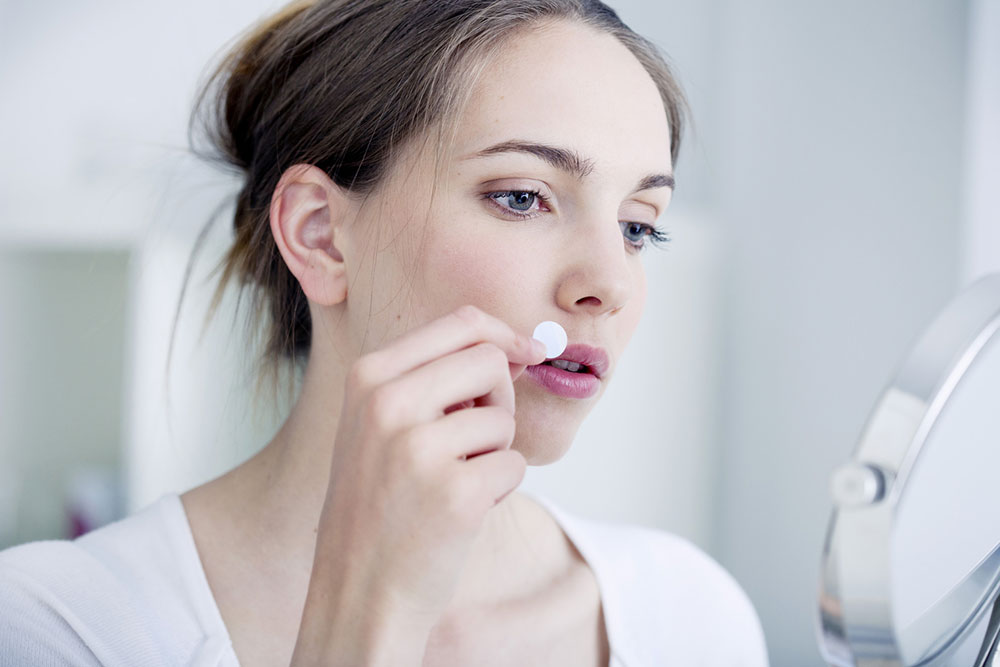
Proper lip care can be tricky and more challenging when dealing with dry lips. Something as simple as eating or talking can be difficult with chapped lips. Cracked and damaged skin on the lips can also make one self-conscious. Unfortunately, as the skin on the lips is very thin, it is prone to damage. However, certain habits and steps that people may be used to may worsen this issue and lead to consistently chapped lips.
Exposure to extreme cold
Cold weather can exacerbate the skin’s dehydration. Factors like strong winds, lack of moisture in the air, and constant central heating adversely affect the skin. They can impair the skin’s barrier and compromise its ability to hold moisture and hydration. The skin on the lips is thinner than on the rest of the body, so the lips tend to get affected first during winter. One may find their lips becoming chapped and cracked. In extreme cases, the lips also start to bleed. To avoid getting dry, chapped lips, give them extra protection during the winter.
Using the wrong lip balm
Lip balms are a boon when it comes to cracked and damaged lips. The problem is that some lip balms have petroleum jelly as their primary ingredient, which can be heavy on the lips. Petroleum gel usually works well at sealing moisture and preventing leaks. It is also known as an occlusive ingredient. Occlusives are products that create a seal and prevent any exchange of air, pathogens, and other factors that can dry out the lips. But, the problem can be with the seal not letting anything reach the lips. Repeatedly putting petroleum jelly on the lips would mean that they are not able to absorb any moisture or hydration from the atmosphere. There are different types of lip balms with butter, oil, or waxes that might work better for the lips. Try using a lip balm that has a combination of moisturizing products.
Overdoing matte lipsticks
When it comes to matte lipsticks, the formulations are more focused on the pigment than on keeping the lips well moisturized. The formulations for these lipsticks are really strong as brands want to sell long-stay products that do not need to be frequently reapplied. Typically, this means using a lipstick that isn’t moisturizing the lips. Since matte lipsticks contract as they dry, this can further dehydrate the skin on the lips. This feature of theirs is another reason why they can feel heavy, dry, and tight to the lips. Consistent usage of matte lipsticks may even lead to dehydration lines and flaking of the lips. Instead, swap these drying shades with lighter, more hydrating options. It is also recommended to layer the matte lipstick with some sheer balm. The tip is to use a hydrating lip balm some time before putting the lipstick on.
Constantly licking the lips
Several individuals have the habit of repeatedly licking their lips. For some, it is a nervous habit or an anxious tic. Either way, it is one of the reasons why such persons often have to deal with dry, dehydrated, and chapped lips. It is a vicious circle. Dry lips feel better when licked, but the act can end up drying them further. The saliva has enzymes that lead to the breaking down of the protective lip barrier. These enzymes can also cause inflammation and soreness. The skin on the lips is not supposed to be moist all the time; constantly dampening them by licking can also lead to a higher possibility of infections. The solution is simple: one must stop licking the lips whenever they feel dry. The act is a barrier for long-term relief in favor of instant moisture influx.
Skipping overnight treatment
Taking optimum care of the lips during the day can be challenging. One cannot constantly ensure that they are protected from the weather, UV rays, pollutants, and other irritants. All of these are factors that can lead to dry and chapped lips. So, what one can do is invest time in maintaining overnight treatments. Invest in a moisturizing and protective lip mask that can be applied and left on overnight. This ensures that the product stays on for longer and is not rubbed off when eating, drinking, washing the face, or during other daily activities. When a mask or balm is left undisturbed overnight, it is more efficient since the protective barrier is not chipped away by constant activity. Using these products at night also takes away the risk of one’s lips appearing extremely greasy, slimy, or sticky. Also, one must make sure to go to bed hydrated.
Using the wrong oral care products
This may not be widely known, but the toothpaste most people are used to is doing more than just killing the harmful bacteria in their mouth. The product could be turning the individual’s lips dry and chapped. Multiple kinds of toothpaste are formulated with sulfates in them. It is one of the most common ingredients in almost every cleaning product in the house. The ingredient provides the product with a foaming texture and helps people feel squeaky clean afterward. However, it can also irritate and strip the lips of its protective barrier. So, one must consider using sulfate-free toothpaste or one that is gentle on the lips.