5 tips to prevent and manage ulcerative colitis

Ulcerative colitis is a long-term inflammatory disease that triggers inflammation and ulcers in the digestive system. It impacts the colon and rectum’s innermost lining. The symptoms are typically produced over a period rather than unexpectedly. According to the latest studies, about 1 million people have ulcerative colitis, and if left untreated, it can be crippling and cause life-threatening conditions. So, here are 5 tips to prevent and manage ulcerative colitis:
Get on with the treatment plan immediately
Even though there is no concrete cure for ulcerative colitis, proper treatment can help ease the symptoms and signs of the condition and eventually provide long-term remission. If a patient feels that their bowel habits are consistently changing or if they experience any of the following symptoms and signs, they should immediately consult a doctor:
Blood in stool
Ongoing diarrhea that is not getting cured by any other types of treatments
An unknown fever going on for more than a day or two
Abdominal pain
Diarrhea that wakes up the patient from sleep
The treatments prescribed by the doctor will typically include a combination of oral therapy or surgery. As far as oral treatments are concerned, the doctor may prescribe any of the following types of therapies, depending on the patient’s existing condition:
Anti-inflammatory remedies: These are given as the first step in the direction of ulcerative colitis treatment and are suitable for most patients suffering from this condition. They primarily include:
5-aminosalicylates: Can be given orally or as a suppository or enema, depending on which portion has been affected.
Immune system suppressors: They, too, ease inflammation. However, they do so by suppressing the very cause of the inflammation, that is, the immune system.
Biologics: They attack the proteins generated by the immune system to ease inflammation.
The therapies mentioned above are administered and combined with some supportive oral treatments to ease symptoms of ulcerative colitis. These include anti-diarrheal therapies, pain relievers, iron supplements, and antispasmodics
If the patient’s ulcerative colitis is severe, the doctor may also prescribe surgery apart from oral remedies. Surgery mainly involves getting rid of the rectum and colon, known as proctocolectomy.
Also, make sure to visit the doctor more frequently as ulcerative colitis increases the risk of colon cancer.
Eat the right foods to ease the symptoms
Even though there is no permanent cure for ulcerative colitis, there may be some period of remission when the patient will not experience the symptoms. Therefore, their daily life will go pretty smoothly without any hindrance from the disease.
It must be noted that there is no concrete method for preventing flare-ups permanently. However, the remission periods can be extended by following well-balanced, nutrition-rich eating habits that will not include the trigger food items.
It may help if the patient consults a nutritionist who will suggest a meal plan that has demonstrated success in other patients with the same condition. Besides, they will also add some new foods and advise the patient to stay hydrated.
Here are some doctors-prescribed foods that may ease the symptoms of ulcerative colitis and help the patient remain hydrated:
Low-fiber fruits such as honeydew melon, cantaloupe, bananas, and cooked fruits.
Tofu
Refined foods include white bread, non-wholegrain breakfast cereals, refined (low-fiber) pasta, white rice, noodles, and cooked vegetables. However, avoid the peel, seeds, or stalks
Avocadoes
Avoid foods that trigger ulcerative colitis symptoms
Maintaining a proper nutritional regime for ulcerative colitis patients also entails discarding symptoms-triggering foods. Foods that an ulcerative colitis patient must avoid, specifically during the flare-ups, include:
Dairy products, such as yogurt, ice cream, cheese, milk, and others. This will ease ulcerative colitis symptoms like abdominal pain, diarrhea, and gas.
High-fiber foods like fresh vegetables, fruits, nuts, and seeds.
Whole grain foods, such as brown rice, quinoa, oats, buckwheat, and wild rice.
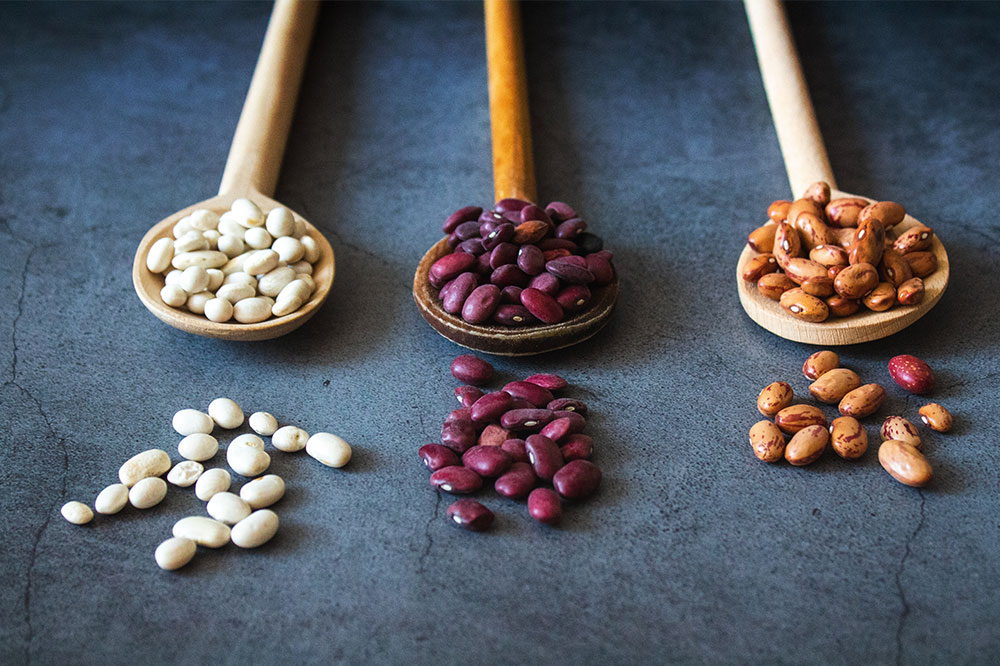
Dried beans, peas, and lentils
Foods containing high sugar, like candies, juices, and baked foods.
Foods that are high in fat content. These include butter, margarine, coconut, other oils, fried foods, and cream.
Foods that are rich in gluten.
Spicy foods
Introduce progressive lifestyle changes
Apart from eating the right foods, introducing specific changes in living habits can also prolong the periods of remission. Here are a few guidelines that an ulcerative colitis patient can follow to prevent the activation of symptoms or manage them during flare-ups:
Do some simple exercises daily to strengthen the immune system.
Practice yoga and exercises to calm the mind.
Attend stress reduction classes.
Use clean bathrooms.
Join a support group
Most patients are likely to feel embarrassed about their ulcerative colitis symptoms. They may not be able to share with their friends and family about their experiences. This is where a support group may help. By joining a support group, the patient can interact with those who know and understand what it takes to bear the perils of ulcerative colitis symptoms. Realizing that they are not alone may provide them some solace and help them remain stress-free.
Living with ulcerative colitis can be pretty challenging. However, with the right treatment plan, food habits, and lifestyle choices, the flare-ups can be managed, besides more extended periods of remission.