5 mistakes to avoid while using vacuum cleaners
Vacuum cleaners are one of the most reliable home cleaning appliances. With the help of the machine, cordless or corded, one can get rid of dirt, cobwebs, and allergens found around the house. The device is used for cleaning purposes, therefore, it is vital to handle the vacuum cleaner correctly for optimal usage. That said, not everyone knows how to use a vacuum cleaner efficiently. Below are the common mistakes made while using them:
Failing to empty or clean dust bags and filters
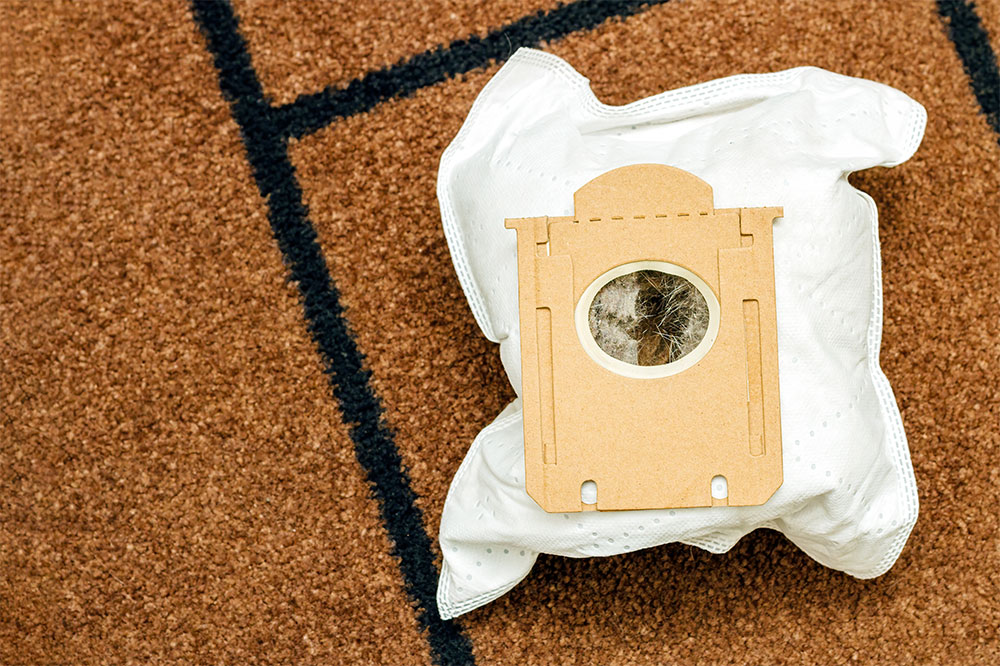
It is important to empty and clean vacuum dust bags regularly. Failing to do so can affect the efficiency of the vacuum cleaner. Despite vacuuming, if you still notice dust stains on the carpet or the floor, it’s an indicator to empty the dust bag. Another tell-tale sign for the removal of dust bag is when your vacuum cleaner seems to be losing its suction power.
The frequency of emptying the vacuum bags will depend on how often you use the device. A full vacuum dust bag will lead to an accumulation of dust and the breeding of bacteria and germs in the bag.
Many latest models are equipped with disposable bags that are much more convenient. You need not waste time and energy emptying or cleaning the dust bags.
Similar to dust bags, vacuum filters also need to be cleaned on a regular basis. While some models will have washable filters, others may have disposable ones. You will also need to pull out hair or thin strings from the brush rolls at intervals.
Using the wrong attachments
Every vacuum cleaner comes with multiple attachments designed for a different purpose. If you keep using one or two attachments to clean everything, you are not fully utilizing its available functions. Usually, there will be two different brushes or tools for various surfaces – hard floors, upholstery and carpets. There are attachments for hard-to-reach surfaces, such as light fixtures, window screens, and baseboards, or in between upholstery. Special crevice attachments are used to reach and clean the places. There are separate attachments to clean curtains and lampshades.
Lack of time may prevent you from exploring and using all the different attachments. However, for efficiently cleaning all parts of the home, it is important to use these attachments in the right way.
Using the device without adjusting the height
You will need to adjust the height of the vacuum cleaner when cleaning different surfaces. The wrong setting can damage the vacuum cleaner and lead to less efficient cleaning of the surfaces. Making appropriate adjustments will ensure all home surfaces – carpets, hardwood, tiles – are cleaned thoroughly.
Using the vacuum cleaner rarely
Dust piles up beneath carpets and rugs, in crevices, under furniture, and in other nooks and corners of the house. Do not wait till the dust accumulates. It becomes harder to clean and even harder to find the motivation to vacuum when the dirt has piled up. Set up a regular schedule to clean your home. You could also try vacuuming certain home areas on different days instead of doing it all together on a particular day. This would make the task of cleaning less overwhelming, reducing the time and energy. If the vacuum cleaner is left untouched for a few days or months, its function is likely to lose its effect. Certain parts may even start to rust and deteriorate.
Trying to vacuum everything
Most of the time, knowingly or unknowingly, we tend to use the vacuum cleaner over every corner of the house. However, certain house items that do not need vacuuming. They are:
Hard objects
Objects, such as coins, nails, gravel, and screws can cause serious damage to the interiors of the vacuum cleaner . It is best to hand pick and discard them in the bin.
Liquids
It is best to use a mop when cleaning a liquid mess on the floor. Vacuuming liquids may cause electrocution or damage to the machine. It also causes a slushy mess in your dust bag, which becomes difficult to empty and clean. You can also invest in wet-dry vacuum cleaners specially designed to clean liquids.
Broken glass
Vacuuming broken glass may damage the machine since small pieces of glass may get lodged in the hose and damage the dust bag.
Ash from the fireplace
Avoid vacuuming when the fine ash is still hot. Wait for a day or two till it has cooled down before vacuuming.
Vacuum cleaners help save time and energy while keeping our home and work environments clean. At the same time, it is also essential to keep them clean to optimize their functions. Handling the machine roughly due to time constraint can damage the machine. Move slowly and vacuum in both directions; repeat your motions a couple of times. This will ensure that every speck of dust gets sucked into the machine.
While the vacuum cleaner is designed to make life easier for you, a little time invested in caring for it will go a long way in keeping it functioning well. Avoiding these mistakes will make the machine durable.