5 foods to eat to keep eczema at bay
5 foods to eat to keep eczema at bay

An inflammatory condition that affects the skin, eczema, also known as atopic dermatitis, affects one in four adults. In severe cases, it causes itchy rashes, dry patches, skin irritation, and oozing blisters. The cause of eczema is usually credited to environmental factors and genes. Those with eczema usually have food allergies as well. Thus, food and nutrition play a major role in managing eczema. Here are a few foods that can help prevent eczema flare-ups.

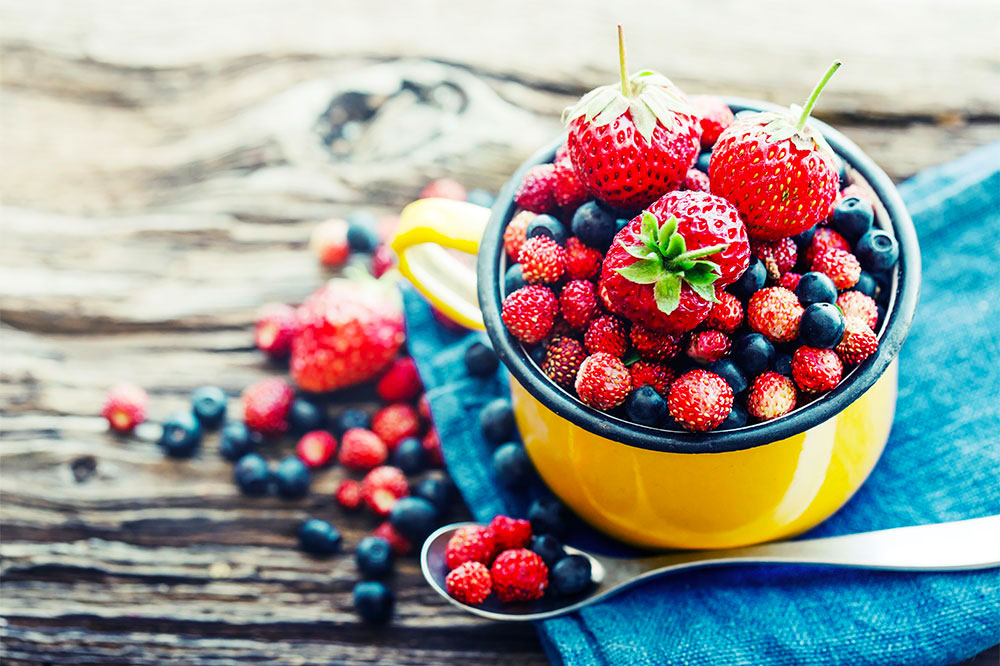
Berries
Berries such as raspberries, blueberries, strawberries, and blackberries contain quercetin, a plant-based flavonoid. This is where fruits, flowers, and vegetables derive their rich colors from. Quercetin is an antihistamine and antioxidant. It prevents cell damage and helps combat inflammation. Eating berries is useful in avoiding eczema flare-ups.

Yogurt
Rich in live culture, yogurt is one of the best probiotic foods to consume. It strengthens the immune system. Moreover, it prevents allergic reactions. This way, it lowers the intensity of eczema flare-ups. Eating probiotic foods is one of the most effective ways to manage eczema symptoms and itchy skin. Other probiotic-based foods that can add a variety to one’s daily meals include kefir, kombucha, miso soup, sauerkraut, and tempeh. Naturally-fermented pickles and sourdough bread are also good options.

Bananas
With a high percentage of potassium, bananas are good for the skin. Moreover, this fruit helps alleviate inflammation and irritation that trigger eczema symptoms. Potassium is an anti-inflammatory nutrient that lowers the intensity of flare-ups. Other potassium-rich foods that help manage eczema include white beans, sweet potatoes, acorn squash, and avocadoes.

Broth
Beef and chicken broth are some of the most comforting foods. Moreover, these are packed with healthy nutrients. What’s more, for those with eczema or atopic dermatitis, these broths are useful in preventing eczema symptoms. Broths made from lean meats are good for the skin and help rebuild damaged cells.

Rice milk
Milk made from rice is often the go-to beverage for those with eczema. This is because eczema and food allergies are closely related. Those who have pre-existing food allergies often find that their allergies trigger eczema flare-ups as well. One such common allergy is to dairy products, especially cow’s milk. In such cases, rice milk is a better and healthier alternative.

While these foods may not guarantee complete remission of eczema symptoms, they help efficiently manage the same. However, it is necessary to be aware of alternative treatment options, which may be administered orally, topically, or through IV. Some eczema or atopic dermatitis treatment options include DUPIXENT® (dupilumab), mometasone, hydrocortisone, triamcinolone, and desonide, among others. Another option is to use topical creams like VTAMA for eczema, ideally once a day. Applying a thin layer of VTAMA soothes irritated hair follicles, reduces rashes, and helps ease one’s eczema flare-ups. Although it is safe for long-term use, m ake sure to discuss the side effects with a doctor before using any of the treatment options mentioned above.

For moderate to severe cases, a healthcare practitioner near you may recommend CIBINQO (abrocitinib) as an eczema treatment option. The prescription treatment blocks the JAK-1 protein to potentially reduce inflammation. The treatment may significantly reduce itching and clear up flaky skin within three months.

Popular Articles

01

4 essential vitamins for optimum eye health

The eyes are complex organs and need a variety of nutrients to function optimally. Many common health conditions like glaucoma, cataracts, age-related macular degeneration, diabetic retinopathy, and others can negatively affect our eyes, which may lead up to a complete loss of vision. While some conditions like moderate astigmatism can be corrected using contact lenses or eye lenses, others can be prevented by consuming a healthy dose of these 4 vitamins: Vitamin A Vitamin A deficiency is one of the most common causes of blindness globally. Vitamin A plays a crucial role in maintaining a clear cornea (outside the covering of the eye). A person with this vitamin deficiency may find their eyes not producing enough moisture to stay lubricated. It is also essential for maintaining the eyes’ light-sensing cells called photoreceptors. A deficiency of vitamin A can also lead to xerophthalmia, a progressive eye disease that begins with night blindness. Continued deficiency can lead to the drying up of the eyes and tear ducts, and softening of the cornea, resulting in irreversible blindness. To maintain eye health, it is recommended to eat vitamin-A-rich foods, like sweet potatoes, leafy greens, pumpkins, squash, bell peppers, carrots, dairy products, egg yolks, and liver.
Read More
02

Avoid these 5 smartphone habits

For most people, it is next to impossible to get through the day without using smartphones at least a few times. You need to make calls, check updates on the go, and even use smart navigation systems on your phone. But some smartphone habits can severely hamper productivity, affect your health, and may make you overly dependent on the gadget. So, here are five smartphone habits to keep in check: Using an alarm app Using your phone as an alarm clock might seem completely harmless. After all, apps on the phone let you set multiple alarms. But it never stops at hitting the snooze or dismiss button once you wake up. You will be tempted to check your phone for messages and social media, which will delay getting out of bed. Opt for a conventional alarm clock and keep your phone away from you at night to avoid checking anything after getting up. Ignoring software updates Smartphone care is as important as learning how to use the device in moderation. Many people make the mistake of postponing crucial software updates and granting necessary application permissions. These habits make the device extremely vulnerable to cyber-attacks that can access confidential data. Always keep your phone updated to ensure the latest security updates are installed.
Read More
03

7 foods that help fight against Bronchitis

When you have bronchitis, it’s easy to overeat greasy, salty, or sugary foods to relieve the coughing, breathing, and throat pain. Alternatively, you may decide not to consume anything at all. However, you should take care and watch what you eat as refined carbs and saturated fats might impede recovery. Knowing which foods to avoid and which to eat may influence the severity of bronchitis symptoms. Here’s a list of a few items you should avoid. Foods with preservatives and additives Sulfites, a form of preservative, may aggravate bronchitis. Liquor, dried fruits, pickled foods, maraschino cherries, and lime juice all contain sulfites. Processed and quick meals frequently contain chemical additives, flavors, and colorings. Some bronchitis patients may be susceptible to or intolerant to these artificial components. Gas-forming foods Eating large meals or gas-producing foods strains the diaphragm, especially if you suffer from acid reflux. This can cause chest pains and asthma flare-ups. Beans, cabbage, carbonated beverages, onions, and fried dishes are examples of these foods. Sugar and HFCS Do you enjoy drinking sugar-laden colas? Be cautious. They can be dangerous to your health. Avoiding syrups, candies, and other sugary foods will help to relieve symptoms such as coughing, irritation, and discomfort in your lungs.
Read More