5 foods that can play a role in lowering cancer risk
Cancer is an umbrella term that covers a wide range of conditions that are caused due to the rapid multiplication of abnormal or damaged cells in the body. The condition can originate in any part of the body and the cells usually spread or invade nearby organs, tissues, and muscles. While the exact cause of cancer is unknown, following specific food plans, as given below, can help reduce the risk of developing this condition:
5 foods that can help lower the risk of cancer
Broccoli
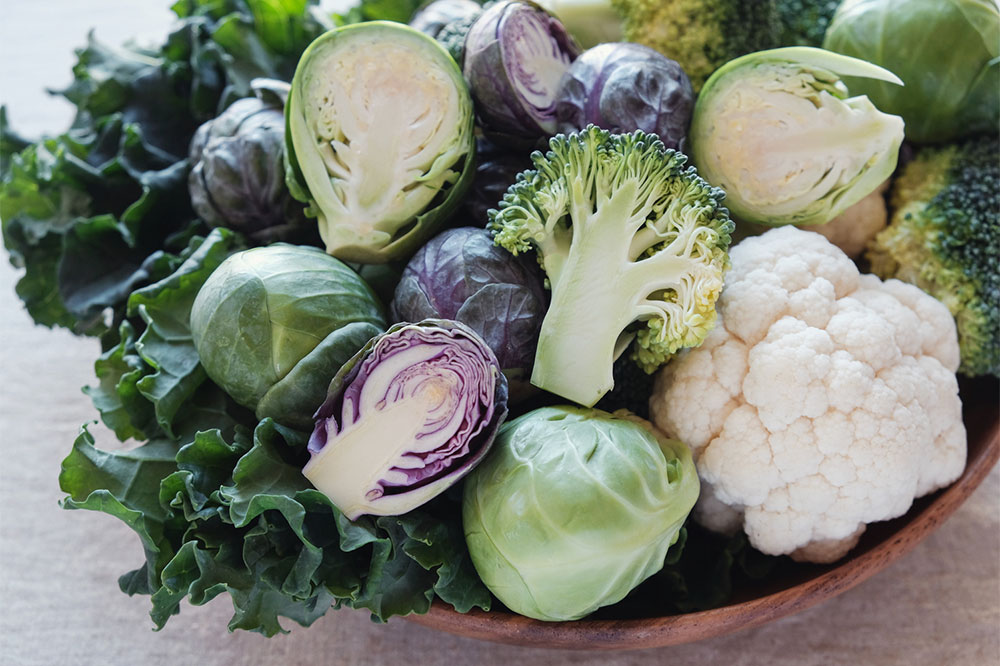
If you’re looking for a superfood that can help you lower your chances of cancer, you could try broccoli. An integral part of many healthy recipes, broccoli contains tons of antioxidants and vital nutrients that keep the body healthy. It also contains sulforaphane, which is known to have many strong anti-cancer properties. Studies conducted by the National Institute of Health have shown that sulforaphane can reduce the size as well the number of cancer cells in the breast by almost 75%. They also found that treating mice with sulforaphane reduced the prostate cancer cells and the volume of the tumor by greater than 50%. More research is needed to understand the role of sulforaphane in the fight against cancer. But, including broccoli in your meals could help you stay healthy and decrease your overall risk of developing cancer. Additionally, sulforaphane is also found in many other cruciferous vegetables. So, if you’re not a fan of broccoli, you could always try other vegetables such as collard greens, cabbage, cauliflowers, and even Brussels sprouts.
Beans
Beans are very rich in essential vitamins, contain tons of antioxidants, and are considered an all-around healthy food. They are also rich in fiber, which studies have found may help with tackling colorectal cancer. One of the studies conducted by the National Institutes of Health concluded that in individuals who have a history of colorectal cancer, those who ate more cooked and dried beans had lower risks of recurrence. Again, with beans, more research is needed to fully understand the benefits of these foods. That said, adding them to your meals a few times a week is a good idea. Their high fiber content can help with digestive troubles and even aid with other health conditions.
Cinnamon
Cinnamon is known across the world for its range of health benefits. For many years, people have been using it as a supportive treatment to tackle high blood sugar levels in the body. It is even used to reduce inflammation and comes filled with antioxidants that protect the body from oxidative stress and free radical damage. But, what many do not know is that cinnamon is also commonly used as a protective measure and supportive treatment for cancer. There is a lot of evidence, although limited to animal testing and test tubes, that shows cinnamon can help in the fight against cancer. It does so by reducing the number of cancer cells and preventing the formation of blood vessels in tumorous growth. Cinnamon has also proved to be toxic to cancerous cells, which leads to cell death. While more research is needed to understand how cinnamon can affect cancer in a human being, it is a safe food choice and can be added to your meals.
Nuts
Nuts are a very popular food and make for a perfect snack. Nuts are a very popular food and make for a perfect snack. They are rich in healthy fats, low in carbohydrates, and also possess lots of essential nutrients. Nuts can also contain vitamin E and minerals such as magnesium and selenium. Peanuts, walnuts, cashews, and hazelnuts also have high antioxidant content. This allows the body to fight oxidative stress caused due to free radicals and remain healthy. Due to these properties, nuts are often prescribed as part of healthy foods that can help prevent and tackle conditions such as cholesterol, type 2 diabetes, and inflammation. But, what many remain unaware of is that nuts are also a great food to fight and reduce the risk of developing cancer. Studies found that those who had a greater amount of nuts as part of their everyday meals were at lower risk of developing and dying from cancer. Research also found that certain types of nuts could help prevent certain types of cancer.
Turmeric
Turmeric is a spice that is used in many parts of South Asia. It is well-known for its antibacterial and anti-inflammatory properties. Turmeric contains the active ingredient curcumin, which has been proved to have anti-cancer effects. Turmeric may be able to play a role in helping manage colon cancer, head and neck cancer, and even lung, breast, and prostate cancer.
Other treatments to reduce the risk of cancer
Foods can reduce the risk of cancer and even help support and manage the condition better. However, prescription treatments discovered and created by pharmaceuticals are more effective in controlling the condition. One such treatment is Xofigo, which is also known as Radium 223. Radium 223 is a mildly radioactive form of the metal radium. This internal radiotherapy treatment option can reduce the number of cancer cells that have spread into the bone. It also reduces symptoms of cancer such as pain, helping the individual feel more comfortable. It is mainly used to treat prostate cancer wherein the condition is not responding to hormone treatment, chemotherapy is not an option, or individuals have cancer that has metastasized to the bones only. Xofigo can also be used when patients are not being treated with abiraterone.