5 Common Decluttering Mistakes to Avoid
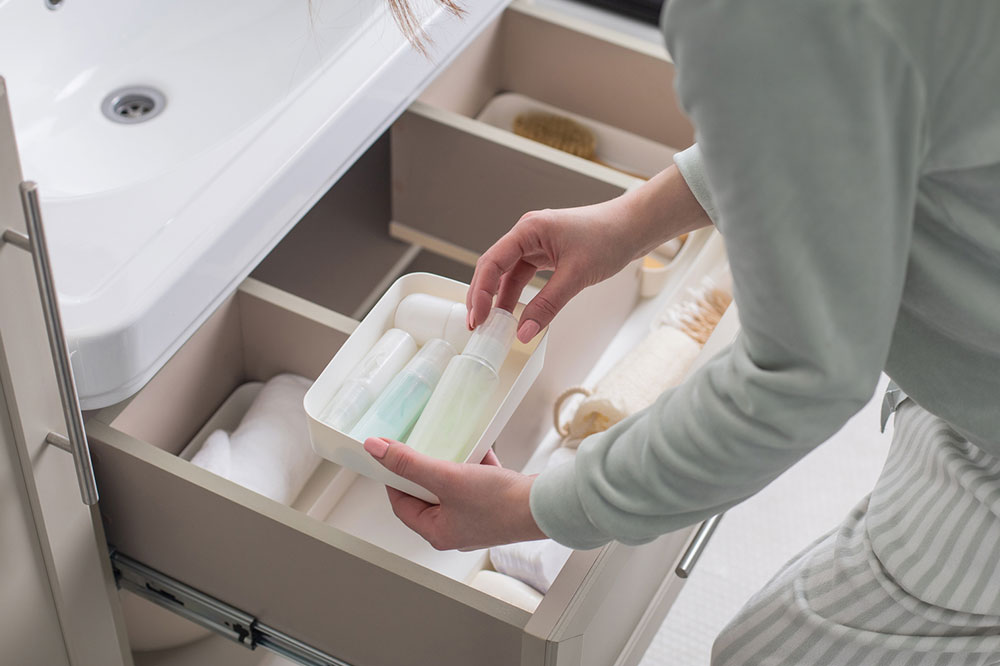
Decluttering your home can be challenging, especially if you have many items you wish to get rid of. It’s easy to become overwhelmed and make errors that obstruct or even make the decluttering process more difficult. Also, one of people’s biggest mistakes while decluttering is improperly using trash bags. Moreover, procrastinating on this chore can also create unnecessary stress and clutter. Here are the five most common decluttering mistakes you should steer clear of:
Starting with irrational expectations and neglecting to have a suitable plan
Starting with unrealistic expectations and failing to develop a plan while decluttering can be costly mistakes. Expecting to finish cleaning your entire house in a single day is a typical mistake that not only is unfeasible but may also lead to frustration and burnout.
Setting realistic goals and planning is essential before starting your decluttering project. For example, creating a list of the items you wish to save, donate, or dispose of, setting deadlines for each room or group of items, and locating resources for donation or disposal are a few examples of how to accomplish this.
Your ability to focus and avoid distractions can also be helped by having a plan in place. It’s easy to become sidetracked once you start sifting through your possessions. Setting realistic goals, creating a plan, and starting with the most specific items can speed up the process and accomplish your decluttering aims.
Keeping things you don’t need
One of the biggest challenges of decluttering is deciding what to keep and discard. Many people make the mistake of keeping things they don’t need just in case they do. It may become cluttered, making finding the items you need difficult. Solution: Be honest with yourself about your usage habits and needs. If you haven’t used something in a year, you likely don’t need it and can get rid of it.
Ineffective garbage bag usage
Garbage bags can be an excellent decluttering tool, even though many people don’t use them to their full potential. One mistake people make is not choosing the right kind of bag. Throw away anything heavy or pointed in a sturdy bag to avoid ripping. Another mistake is not labeling the bags. Instead, choose the right type of garbage bag for the items you’re throwing out and label the bags with “Donate,” “Sell,” or “Trash” to stay organized.
Holding onto sentimental items
Even though getting rid of sentimental items might be difficult, retaining too many can clutter your home and make organizing it more challenging. While decluttering, be selective about the sentimental items you save. Choose items that you find pleasing to look at and that genuinely make you pleased. Before removing any sentimental belongings, you don’t use or want to keep, consider taking a picture of them. Choose sentimental items carefully and only save those that genuinely make you happy to gaze at them.
Not planning for donations
You must have a plan if you plan to donate or sell goods as part of your decluttering process. Without a plan, many people commit the mistake of gathering items they intend to sell or donate. This could lead to clutter and make finding the items you want to keep more difficult. For example, consider setting up a container or box for donations and another area for items you want to sell. This will make it easier for you to stay organized and eliminate clutter.
Procrastination
Procrastination can be a significant obstacle when it comes to decluttering. Decluttering is something that a lot of people put off because they feel it is daunting or they don’t have enough time. Yet, procrastination leads to more clutter and could make cleaning more challenging. To avoid procrastinating, set aside a specific period each day or week to work on decluttering.
How to declutter without regrets:
Establish a clear goal – Create a strategy
It would be best if you established some goals to get the most out of your decluttering efforts. First, create a strategy to get there when you’ve decided on your goals. Concentrating on this will assist you in avoiding making rash decisions.
Take one step at a time
Taking on the chore of decluttering can be intimidating, so approach it one tiny chunk at a time. Instead, begin in one room or with one type of object and carefully work through the remaining house.
Ask yourself the right questions
By asking the appropriate questions, you can make a better-educated decision about what to keep and discard. Should I take advantage of it? Should I purchase it? Is it making me happy? If you get a “no,” it’s time to move on.
Consider the benefits
Concentrate on the advantages of decluttering rather than the loss of belongings. Remember that a well-organized house or office can lead to less stress, more efficiency, and better health.
Use the one-year rule
According to the “one-year rule,” if something hasn’t been used or worn in a year, it can be securely destroyed. Exceptions can be established for objects that are extremely meaningful to you or that you only use occasionally.
Give or sell usable stuff
Instead of throwing away perfectly nice objects, try donating them to a good cause or selling them online. You may find removing items you no longer require or use easier. Remember that clearing clutter is a multi-step process, so give yourself time. You can declutter your house or workplace confidently and without remorse by setting goals, slowing down, being methodical, considering the rewards, and asking the right questions.
Conclusion
Decluttering can be a challenging but rewarding task. Avoiding mistakes like not having a plan, storing stuff you don’t need, and utilizing garbage bags inappropriately will help your decluttering process go more smoothly and productively. Use discretion when dealing with sentimental items, and be truthful about what you use and need. Your decluttering process might be dramatically impacted by using rubbish bags effectively. A few benefits of decluttering your home are lower stress and anxiety levels, better productivity, and a more comfortable living environment.