4 ways to boost immunity against severe respiratory viruses

Today, new-age viruses pose a constant threat to global health. With the ever-evolving nature of pathogens, it is crucial to take proactive steps to strengthen the immune system. While vaccines play a pivotal role in this defense, there are several other measures people can take to help the immune system keep infections at bay. So, here is a look at the impact of severe respiratory viruses and the best ways to boost immunity against them:
The COVID-19 pandemic has underscored the significance of maintaining strong respiratory health. The virus primarily affects the respiratory system, causing severe illness and, in some cases, long-term complications. The prevalence of severe respiratory issues and complications stemming from the virus has brought respiratory health to the forefront of public health concerns.
Treatment options
Vaccination has emerged as a game-changer in the battle against respiratory viruses, especially in the context of the ongoing pandemic. Vaccines work by introducing a harmless part of the virus or a weakened version of it into the body, prompting the immune system to recognize and build defenses against the actual virus. This not only protects against severe illness but also strengthens the respiratory system’s resilience. However, vaccines can be of different types: mRNA and non-mRNA. Messenger RNA (mRNA) vaccines are designed to train the body’s immune system to recognize and fight the virus that causes COVID-19. Beyond their role in combating COVID-19, mRNA vaccines may also contribute to overall respiratory health by boosting the immune system’s readiness to tackle various respiratory pathogens. On the other hand, non-mRNA vaccines, like Novavax, vaccine utilize a protein-based approach to elicit an immune response. So, the Novavax vaccine instructs the immune system to recognize and produce antibodies against the spike protein.
One must not ignore the importance of vaccination during a disease outbreak, as vaccines not only protect a single individual but also contribute to widespread immunity, reducing the overall spread of infection and disease-causing viruses and bacteria in the community. Here, it is important to explore suitable immunization options and discuss with a doctor about getting vaccinated as soon as one is considered eligible.
Food-based changes
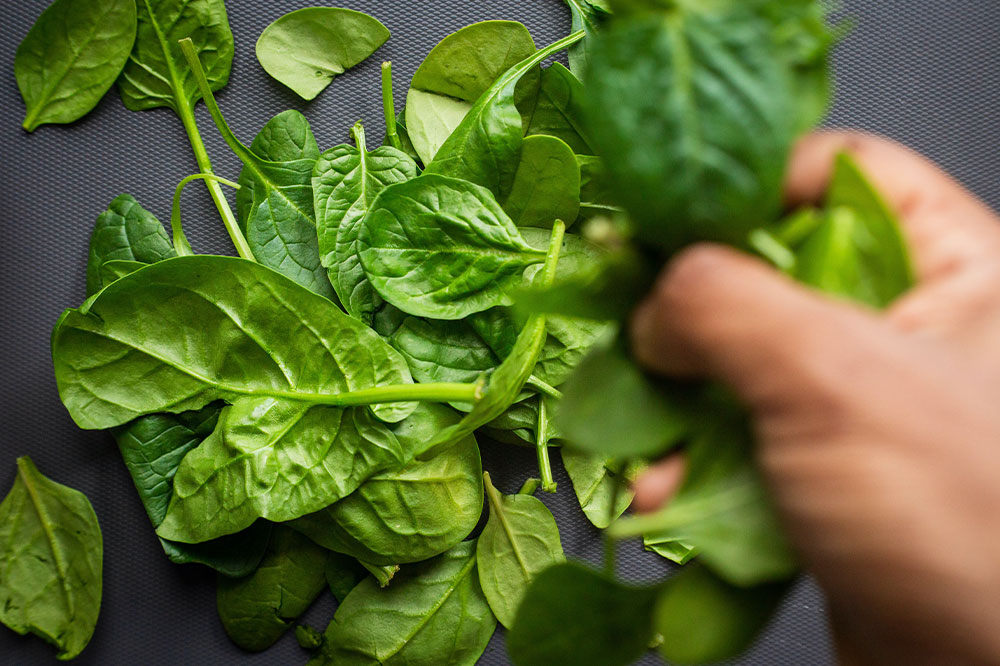
In addition to vaccination, immunity-boosting foods can significantly contribute to protecting against infections. So, one must ensure their daily meals consist of a variety of fruits, vegetables, whole grains, lean proteins, and healthy fats. These nutrients provide the body with the building blocks required for proper functioning. Here, Foods high in vitamin C, such as citrus fruits, strawberries, and bell peppers, are known for their immune-boosting properties. Vitamin D, found in fatty fish and fortified dairy products, plays a crucial role in immune function and respiratory health. Additionally, zinc, present in lean meats, nuts, and seeds, supports the immune system’s ability to combat respiratory infections.
Other beneficial foods include garlic, ginger, turmeric, and green tea, all of which possess antimicrobial and anti-inflammatory properties. Choosing a variety of nutrient-rich foods can help fortify the immune system while also improving respiratory health.
Home remedies
In addition to the changes to meal plans, the following home remedies can enhance immunity and strengthen respiratory health:
Herbal teas: Herbal teas made using echinacea, elderberry, and chamomile have been popular for centuries, helping support immune function. These teas may help reduce the severity and duration of respiratory infections when consumed regularly.
Steam inhalation: Inhaling steam infused with essential oils like eucalyptus or peppermint can provide relief from congestion and support respiratory health. Steam inhalation helps open airways, making it easier to breathe and expel mucus.
Honey and Lemon: The classic combination of honey and lemon can soothe issues like sore throat and cough while boosting the immune system. The antibacterial properties of honey and vitamin C in lemon work in tandem to provide respiratory relief.
Lifestyle changes
Certain lifestyle modifications can have a profound impact on respiratory health and overall immunity. Some such changes are:
Regular exercise: Engaging in regular physical activity not only promotes cardiovascular health but also enhances lung function and immune response. This is because exercise increases the circulation of immune cells, making it easier for the body to detect and combat pathogens. So, one should aim for at least 150 minutes of moderate-intensity exercise per week. This can include activities like brisk walking, jogging, swimming, or cycling.
Stress management: Long-term stress can weaken the immune system, making one more susceptible to contracting infections. In order to counter the ill effects of stress, one can practice stress-reduction techniques such as meditation, yoga, and deep breathing exercises. Additionally, one can indulge in hobbies that bring them joy.
Quality sleep: Adequate sleep is often underestimated but is crucial for a well-functioning immune system. During deep sleep, all systems of the body, including the immune system, repair and rejuvenate themselves. So, one must get at least 7 to 9 hours of good quality sleep each night. This way, the immune system can optimally recover and fight infections.
Good hygiene practices: Maintaining good hygiene is a fundamental step toward slowing down the spread of viruses. So, one should wash their hands frequently with soap and water for at least 20 seconds, especially before eating and after being in public spaces. One can use hand sanitizers when soap and water are not available.
So, to keep illnesses at bay, one must adopt a multi-faceted approach to build and maintain a strong immune system. While vaccines are powerful tools here, they are just one part of the solution. A comprehensive approach to health, including a well-balanced meal plan, regular exercise, adequate sleep, stress management, and other lifestyle changes, are key steps toward fortifying the defenses against ever-evolving pathogens. So, by following the above-mentioned ways for boosting immunity, it is possible to stay protected and lead a healthier life.
Sources:
https://www.cdc.gov/coronavirus/2019-ncov/vaccines/different-vaccines/how-they-work.html