4 tips to effectively manage menopause symptoms
Menopause is a naturally occurring bodily process that marks the end of the reproductive capabilities in women. It usually leads to fluctuations of hormones in the body and a wide range of symptoms that can affect day-to-day life. While menopause is a natural process, women can follow some helpful tips to ease the signs and symptoms of this process. Read this article further for some helpful tips to manage menopause:
Understanding the stages of menopause
Menopause is that time in a woman’s life when her menstrual cycles permanently halt without any physiological or biological causes. The changes can be classified into 4 stages:
Pre-menopause
The menstrual cycle will occur during this period, but it may be regular or irregular. It varies from woman to woman. The reproductive hormones start declining in a woman’s body. There are no visible signs or symptoms of menopause during this period. A woman can still reproduce successfully, though some women may face difficulties.
Perimenopause
Also called ‘around menopause,’ is visible signs of transition in a woman’s body like irregular periods and hot flashes. On average, the period leading up to perimenopause may last up to 4 years. However, it varies from woman to woman. It may even last for a few months or up to 8 to 10 years.
Menopause
Menopause enters a woman’s life, usually in her late 40s to 50s. It is when a woman no longer has her menstrual cycle for more than 12 months. The ovaries store eggs and release them into the fallopian tubes. By this time, the ovaries cease releasing eggs and stop producing estrogen hormones.
Post-menopause
Post-menopause is the after-menopause phase. The woman’s reproductive hormones continue to deplete, and menopausal symptoms such as hot flashes may ease in this period. However, in some cases, women continue to experience menopausal symptoms for years (as many as 10 years) after their menopause.
Eat these foods
Nutrition is a major aspect of managing any health condition. While menopause is the body’s natural process, it has some symptoms that can be effectively managed by eating the following foods.
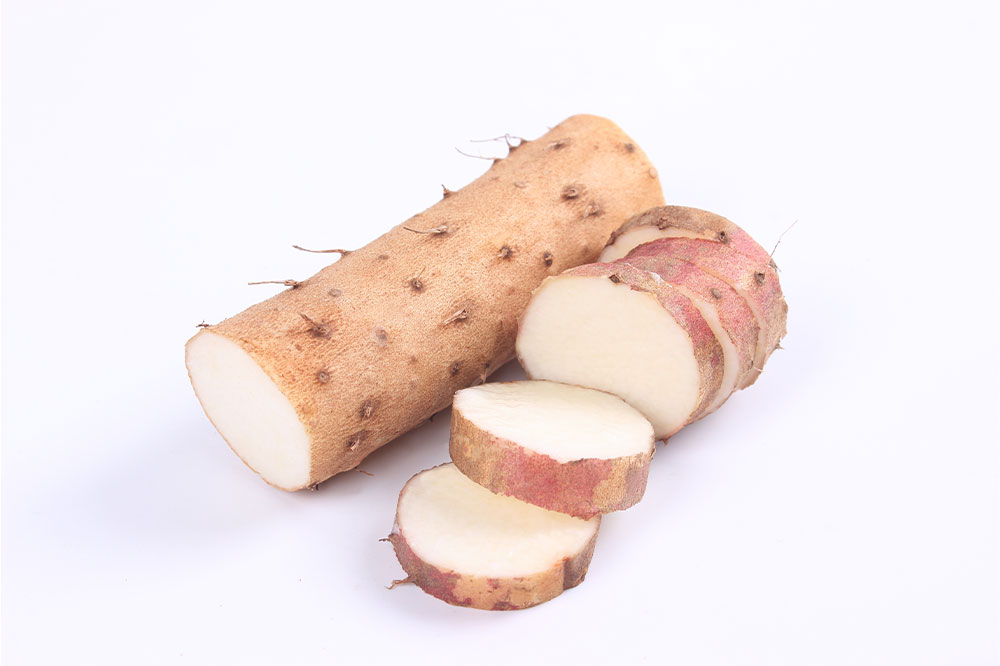
Wild yam
The wild yam is a plant native to Northern America, known for its soothing properties that help ease the signs and symptoms of menopause. Wild yam roots contain diosgenin, which can naturally produce estrogen, and progesterone, which can manage menopause symptoms.
St. John’s wort
This plant is another potential natural treatment for the signs and symptoms of menopause. The flowering plant is a perfect natural remedy and helps fight depression, mood swings, anxiety, and tiredness. But, it is always best to get in touch with your doctor before including it in daily foods.
Ginseng
The Ginseng plant has been known for its medicinal properties for centuries. It is also used as a natural remedy to ease the symptoms of menopause. It contains many antioxidants and anti-inflammatory properties that help tackle the signs of menopause. One of its most effective properties is that it induces good sleep and tackles depression and anxiety. Ginseng also helps tackle multiple triggers and risk factors of menopause.
Ginkgo Biloba
When it comes to extracts that have multiple health benefits, the Ginkgo Biloba is one you cannot skip. Research shows that sections of the Ginkgo Biloba soothe the symptoms and signs of menopause. This plant contains a wide range of flavonoids and terpenoids that help tackle free radicals in the body, boosting metabolism.
Timely Diagnosis
Menopause is confirmed by the presence of signs and symptoms it comes with. When visiting the doctor, the doctor will look at the patient’s medical history, menstrual cycle, and its irregularities or regularities. The presence of signs like increased irritability, unstable moods, anxiety, depression, vaginal dryness, and hot flashes only confirm the prognosis. If there are additional signs that indicate the presence of some other health condition, the doctor might suggest some tests to eliminate any doubts they have.
For confirmation, two possible tests can be performed. Testing the levels of Follicle Stimulating Hormone (FSH) can help determine whether the symptoms result from menopause. Alternatively, the doctor can also suggest opting for saliva testing. However, it should be noted that neither of these tests provides consistent or conclusive results about menopause. FSH levels can also be tested from the patient’s urine. If the urine sample indicates elevated FSH levels, it can be a sign of perimenopause or menopause. However, since the levels are elevated even during menstrual cycles, the problem of inconclusive results persists.
Knowing the best treatment options
Following are a few treatment options:
Hormone therapy
Menopause brings with it a flurry of hormonal changes, especially the repeated rise and fall of estrogen levels. The estrogen changes are also a huge contributing factor to most other symptoms associated with this phase. Hormone therapy is particularly helpful in managing signs that are aggravated due to low estrogen levels in the body. Hormone therapy involves injecting the hormone into the patient. Two symptoms that hugely benefit from hormone therapy are vaginal dryness and hot flashes.
Topical hormone therapy
Topical hormone therapy is yet another available option for treating patients with menopausal symptoms. These are creams, gels, or ointments with low estrogen concentration and can be used on the thigh, abdomen, or vaginal region. The topical hormone treatment is highly effective when it comes to vaginal dryness and similar issues.