4 nutritious food sources for maintaining flawless skin
While everyone would love to have flawless skin, it’s inevitable that skin deterioration will be the next phase with advancing age. The body can only keep producing so many healthy cells to replenish dead skin, even with the best of lifestyle choices and habits. However, studies are conclusive of the fact that paying attention to daily nutrition and making healthy changes in nutritional regime can help maintain skin health, prevent diseases, and even improve their long-term outlook.
Foods rich in omega-3s
For several reasons, omega-3 fatty acids are one of the most potent nutrients the body can absorb, playing a crucial role in skincare. In fact, studies have shown that a deficiency can result in common problems like dry skin and acne. Including more naturally sourced omega-3s can lower skin inflammation and prevent acne and redness of the skin.
Seafood is an excellent source of natural omega-3 fatty acids. Fatty fish like salmon, herring, and mackerel, among others, also contain vitamin E, zinc, and proteins for skin tissue repair. Vitamin E is known to work as an antioxidant and prevents oxidative damage to the skin cells. Protein helps maintain skin texture and quality, while zinc also lowers inflammation and regulates the production of skin cells.
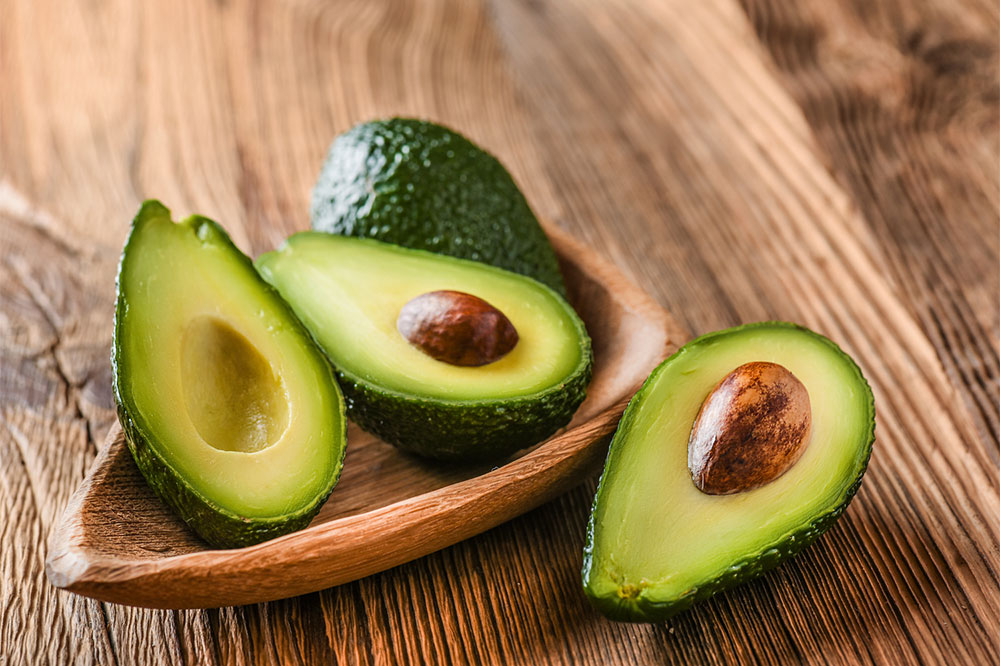
Vegetarians and vegans can alternatively source their fair share of healthy fats from plant-based alternatives like avocado. Eating avocados helps the skin remain moisturized and creates a protective barrier to shield it from harmful UV rays. Avocados also help replenish the daily requirements of vitamins C and E for maintaining smooth blemish free flawless-looking skin. Additionally, walnuts are a rich source of healthy fats, vitamin E, zinc, and proteins. These nuts help counter any inflammation that can cause the skin to break out into acne, blemishes, and redness.
Foods containing beta carotene and lutein
Beta carotene, lutein, and several other nutrients found in cruciferous and colored vegetables can help prevent skin damage and aid in tissue repair. Carrots may be the go-to food for eye health. But this colored vegetable also contains excellent compounds like beta carotene and vitamin A. Beta carotene is known for its sunscreen qualities, creating a barrier to protect the skin after repeated exposure to UV rays. Vitamin A helps restore collagen, a protein that provides essential structural support to skin tissues.
Broccoli is a superfood that comes loaded with nutrients, and minerals like zinc, lutein, sulforaphane, and vitamins A and C. Lutein protects the skin from the sun, much similar to what beta carotene does with carrots. Sulforaphane helps by neutralizing oxidative stress caused to the skin. This powerful compound can also lower the risk of skin cancer and other disorders.
Vitamin-rich foods
Vitamin A helps restore collagen, vitamin C boosts immunity, and studies reveal vitamin E is a crucial requirement for tissue healing and repair. Combined, these nutrients help maintain healthy- and good-looking skin.
Fruits and vegetables like cantaloupe, mangos, pumpkins, sweet potatoes, red peppers, bell peppers, and broccoli can help provide the daily vitamin A requirements. Including these foods has been shown to slow down skin aging.
Papaya, oranges, yellow peppers, strawberries, kiwi, potatoes, papayas, and brussels sprouts are excellent sources of vitamin C. Other dark greens, leafy vegetables, and cruciferous veggies are also rich sources of vitamin C that help nourish the skin and boost long-term health.
Assorted nuts and seeds like almonds, Brazil nuts, and safflower seeds can also be included to boost vitamin E intake on a regular basis. Note that many substitutes for these foods can mimic similar nutritional value, so these are simply basic suggestions based on studies and trials.
Foods rich in antioxidants
Antioxidants are the main foods that prevent oxidative stress and stop healthy cells from breaking down. These foods are beneficial for skin health as it is one of the major organs that continues to replenish layer after layer with new skin cells every few days.
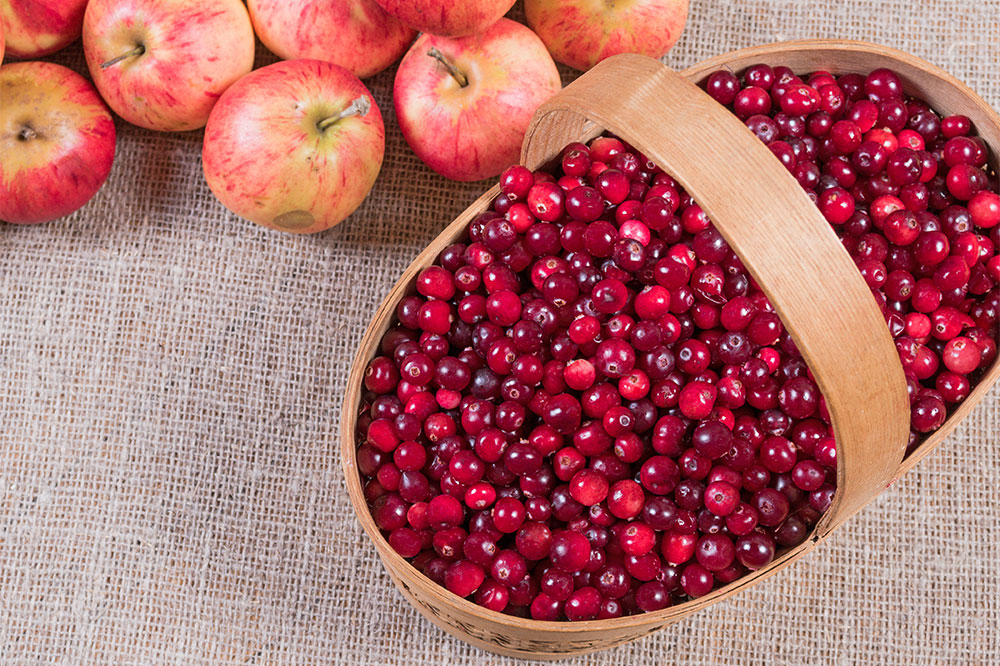
- Blueberries, blackberries, cranberries, and goji berries are all naturally rich in antioxidants and easy to source and regularly have.
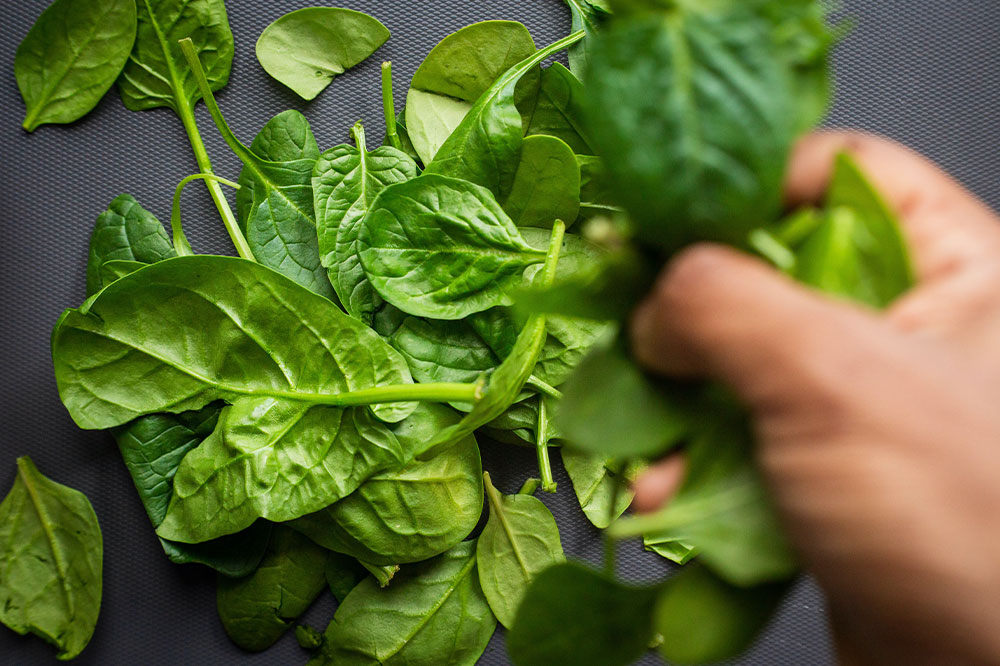
- Spinach, kale, brussels sprouts, broccoli, and collard greens are excellent green options that pack a punch of antioxidants in one serving. Cucumber and tomatoes are also excellent substitutes.
Some studies also show that foods like dark chocolate, foods with a low glycemic index like chicken, pasteurized eggs, quinoa, oatmeal, brown rice, and even probiotics can help maintain skin health in the long run. These foods effectively counter inflammation, one of the major triggers of known skin problems.
As always, it is important to discuss the pros and cons of making changes to daily nutrition with a certified doctor. Many common foods may inadvertently trigger intolerances.
Prescriptions for skin health
Doctors may also suggest prescriptions to better manage certain symptoms of common skin problems and support the changes in daily nutrition.
- Dupixent® is an FDA-approved prescription for treating eczema among children and adults. It helps counter any inflammation that can cause flare-ups.
- Cibinqo™ is an alternative suggestion for atopic dermatitis (eczema) management that belongs to a class of JAK inhibitors. It prevents these specific proteins from triggering inflammation.
- Upadacitinib, marketed under the brand name Rinvoq® is also an effective prescription suggested for moderate to severe eczema or active psoriatic arthritis.
- Eucrisa® is an alternative topical solution for managing the symptoms of atopic dermatitis among very young children.
In case any of the symptoms flare up, or there are noticeable signs of skin problems developing at any time, it is always better to consult with a specialist. Early diagnosis can result in prompt treatment.