4 effective ways to manage hair loss
Alopecia, or in colloquial terms, hair loss, is a condition impacting over 80 million people in the country. Several causes of hair loss may include genetics, excessive stress, hormonal fluctuations caused by menopause or pregnancy, harmful haircare like bleaching or perms, chemotherapy, fungal infections, thyroid disease, and many more. Even though not all types of hair loss (like cicatricial alopecia) are reversible, here are some key ways to manage them.
Consult a health professional without delay
Shedding 100 strands per day is expected in humans. With new strands replacing the older ones, the loss of previous strands hardly makes any difference. However, receding lines or thinning regions can be observed on the scalp when little or no hair grows back to replace the lost strands. This is when the patient must consult a health professional to ascertain the cause of their hair loss and seek appropriate treatment.
To identify the exact cause of alopecia, the doctor may inquire about the patient’s genetic history, hair care routine, and food habits. Besides that, they may also conduct a physical examination along with tests like a pull test, blood test, light microscopy, and scalp biopsy.
Depending on the type of hair loss the patient suffers, the health professional will prescribe specific treatment plans comprising oral prescriptions and surgeries. Some of the most common treatments the doctor may prescribe are:
- Hair transplant
The doctor recommends a hair transplant when the patient experiences a receding hairline due to female or male pattern baldness. This treatment option can reverse the hair loss condition permanently. - Corticosteroids
These are steroids made up of synthetic versions of hormones generated by the adrenal glands. The doctor prescribes these injections when the patient suffers from patchy alopecia areata. The doses are injected every four to eight weeks into the thinning region of the scalp. Consequently, the patient may need to visit their dermatologist frequently until their treatment is over. - Platelet-Rich Plasma (PRP)
It is another effective and safe treatment option that takes only ten minutes without downtime. It entails taking a small amount of the patient’s blood, putting it into a machine to separate the plasma, and injecting that plasma into the hair loss region. The patient must visit the dermatologist once a month for the first three months, after which one session per three to six months would suffice. - Laser therapy
This treatment is a highly effective alternative to oral pills. Also known as low-level laser therapy, a few research studies have implied that this treatment option may cure Alopecia areata, hereditary hair loss, hair loss caused by chemotherapy, and stimulate hair growth and healing following a hair transplant. Even though it is painless and safe, the patient may require several sessions per week for months.
Develop healthy food habits
Several factors play a vital role in causing hair loss. While some of them, like genetics and age, cannot be controlled, others, like food habits, can be effectively monitored. According to studies, deficiency in specific nutrients like biotin, iron, protein, riboflavin, vitamins D and B12, and many more can prove to be a significant cause of hair loss.
Besides that, eating the right amount of food is also essential, as eating too little or too much more can significantly affect hair health. In short, developing a healthy dietary regime is extremely important to managing hair loss. Here is a list of foods you must include in your meal plan to facilitate hair growth:
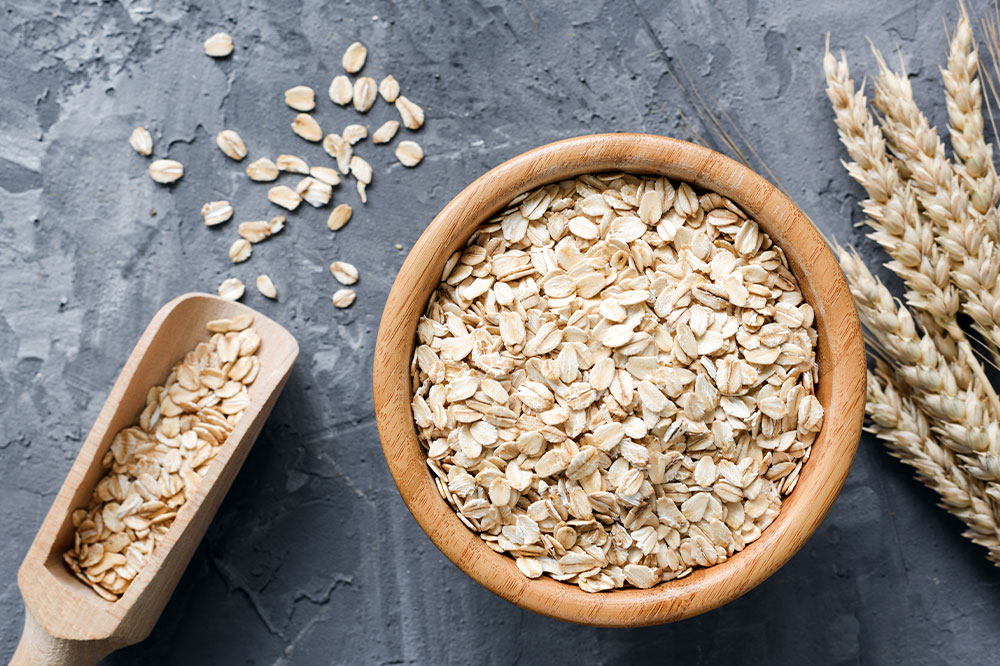
- Oats
Besides being a rich fiber source, oats are also notable for containing nutrients like zinc, iron, and omega-6 fatty acids, all of which are essential for hair growth. - Walnuts
Walnuts contain several vital nutrients, specifically for nourishing the scalp and strengthening hair cuticles. These include omega 3 and 6 fatty acids, B-vitamins, biotin, and a lot of magnesium and protein. - Lentils
They are a great source of folic acid, stimulating the body to generate more red blood cells. Thus, it is considered vital for hair strength and growth. - Strawberries
More than hair growth, strawberries are known for preventing hair loss. While it contains vitamin C and promotes iron absorption for hair growth, the presence of vitamin B5 makes it an ideal food for dealing with the problem of hair loss.
Monitor lifestyle choices
Besides treatment and eating right, introducing specific lifestyle changes can also support hair growth. These include:
- Exercise tends to stimulate blood circulation, indicating a flow of more oxygen and nutrients toward the scalp area. Therefore, patients suffering from alopecia must perform some physical exercises, especially cardiovascular ones, at least three times a week to ensure that their hair follicles receive ample nourishment.
- Oiling provides the scalp with the necessary nourishment to strengthen the shafts and protect them from dryness or fizziness. However, it cannot prevent hair loss or stimulate hair growth.
- Stress is one of the principal triggers for hair loss. Practice yoga and perform pranayama for stress management
- Cover the head with a hat when outside for more extended periods to avoid hair damage from the sun’s UV rays.
- Apply coconut milk, green tea, and fenugreek seeds to the scalp.
Managing hair loss
While a receding hairline can cause considerable social embarrassment, hiding it will not solve the problem. Approach a dermatologist the moment the signs of hair loss become visible. Ascertain the precise cause, and introduce appropriate lifestyle changes along with therapies and treatments. Following these steps can make conditions like alopecia far more manageable.