4 effective tips to manage lung cancer
Lung cancer is a form of cancer that starts in the lungs. All of us have two spongy chest organs via which we inhale oxygen and exhale carbon dioxide. Lung cancer is one of the world’s top causes of cancer deaths. Some lung cancer symptoms include trouble breathing, chest discomfort or pain, wheezing, a cough that does not go away, and hoarseness. Read the article to know more about lung cancer, and its management options:
Treating Lung Cancer
Here are some tips for managing lung cancer:
Treatment Options
Here are the three most common prescription treatments to manage lung cancer:
Gavreto: It is an FDA-approved prescription treatment option for treating cancers caused by specific gene changes. It comes as capsules and is orally consumed. It is available in a single strength of 100 mg. Gavreto contains pralsetinib and is a RET inhibitor. Doctors prescribe Gavreto for metastatic NSCLC (Non-Small Cell Lung Cancer) that has rearranged RET genes or mutated. Doctors recommend a dosage of 400 mg once daily. It implies you will take four tablets at a time.
Pralsetinib: It is another prescription remedy for treating metastatic NSCLC. Even patients with RET fusion-positive gene tumors also opt for Pralsetinib. Before prescribing Pralsetinib, the medical professional conducts a test to assess the RET gene fusion. It is an antineoplastic that intervenes with cancer cell growth and destroys the existing malignant cells in the body. The prescribed dosage for Pralsetinib will be different for different patients. So, please follow the instructions given by your doctor.
Afatinib: It helps treat some NSCLCs that have spread to the other body parts or surrounding tissues. It is an antineoplastic agent and falls under the kinase inhibitor category to confine the action of the naturally occurring substances that make the cancer cells multiply. It must be orally consumed only once a day on an empty stomach, an hour or two after a snack or a meal. Doctors recommend consuming it at the same time every day.
Foods to Eat
Berries
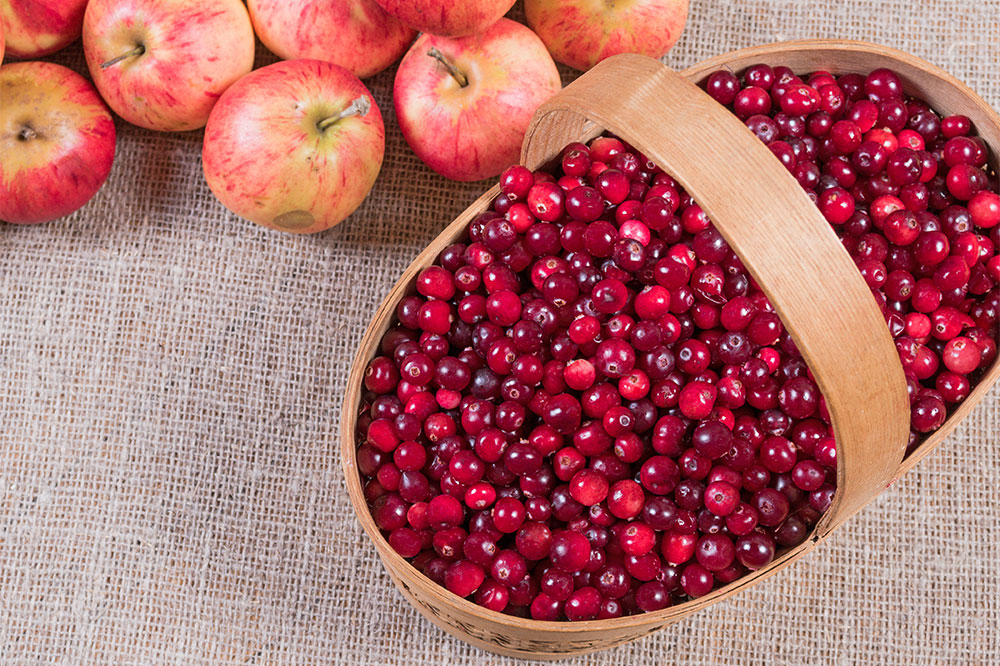
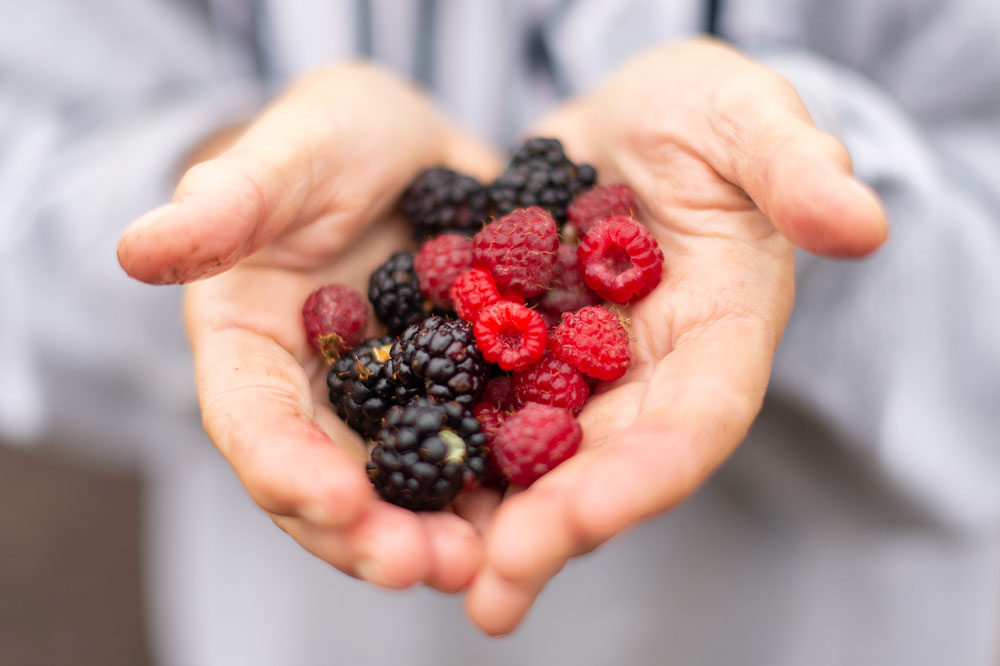
Berries like blackberries, raspberries, blueberries, and cranberries are rich in anthocyanins like delphinidin . Delphinidin curtails tumor growth, prevents the tumors from forming new blood vessels, and kills the cancer cells. It also prevents blood clots, a common lung cancer side effect.
Flaxseeds
Flaxseeds have ample health benefits and play a crucial role in cancer treatment. They contain a compound known as lignans, which helps with the cure and does not let cancer progress to an advanced stage. You can add two spoons of flaxseed to your daily diet.
Olive oil
Olive oil can also help shield you against respiratory conditions like asthma and lung cancer. Unsaturated fat and a concentrated source of anti-inflammatory antioxidants like Vitamin E and polyphenols.
Foods to avoid
Salty foods
Salty foods have a high sodium content that causes fluid retention and results in breathlessness in patients with lung disease. To lower the sodium intake, you must read the labels before you buy any food item and avoid anything that contains over 300 mg of salt per serving. You can replace salt with herbs and spices.
Dairy products
Dairy products are heavy to digest. Milk digestion, breakdown, or casomorphin amplifies the mucus and phlegm produced in the body. It can aggravate coughing and cause pain and wheezing in people with lung diseases. To avoid this, you can switch to a lactose-free alternative.
Soda
Soda is also harmful in multiple ways for people with lung disease. It contains carbon dioxide that causes bloating and gas, causing difficulty breathing. Further, its high sugar content can cause inflammation, resulting in COPD symptom flare-ups.
Lifestyle changes
Exercise regularly – The body needs constant care and support to combat lung cancer. So, to ease things, consider indulging in regular, moderate exercise, which can be beneficial both physically and mentally. It improves muscle strength, reduces fatigue, boosts your mood, and helps maintain a healthy weight.
Enlist support – Battling cancer is not trivial. So, beyond the care for your physical health, you will also need assistance for your emotional and mental needs. So, consider speaking to other cancer patients or a counselor who can understand what you are experiencing. You can also confide in your family or friends.
Get ample rest – Battling cancer and undergoing treatment can both take a toll on your body and make you more tired than usual. So, keep a journal registering how you feel throughout the day. You can take naps even during the day if your body requires it. Do not be disheartened, as this fatigued state will not be around forever. Once treatment finishes, you will regain your spirits.
Reduce your infection risk – Cancer and the treatment suppresses the immune system. It also heightens the risk of infections and aggravates the susceptibility to common infections like flu or cold. So, while undergoing cancer treatment, take measures to reduce the risk of infections. You can do this regularly by washing your hands, cleaning and disinfecting surfaces, avoiding crowds, etc.
While in the early stages, it is easier to cure and fight lung cancer. So, speak to your medical professional about the best nutritional regime, treatment options, and lifestyle changes for better disease management.