3 effective ways to improve bone health

The human skeleton protects the internal organs, so keeping bones healthy and strong is important. Issues with bone density can lead to conditions like osteoporosis which can make the bones brittle. About 10 million people in the country are affected by osteoporosis, and about 54 million people are at risk of breaking their bones due to low bone density. So here are a few treatment options, food choices, and lifestyle changes to improve bone health:
Treatment options
One should get their bones checked if they are suffering from serious health issues like diabetes and lupus. Further, one should get regular checkups as they grow older and discuss persistent concerns with their doctor. They may recommend the following option:
Evenity: For postmenopausal women, Evenity may be recommended for bone strengthening and treating osteoporosis. This is because in the period after menopause, women may have an increased risk of fractures and weakening of bones. This option is a form of anabolic treatment that promotes bone formation and is also known to stimulate the body’s natural healing powers to slow down the bone loss process.
Changes in nutritional regimen
One’s bone health invariably depends on what one eats. Further, making responsible choices in this regard can go a long way in keeping the skeleton strong:
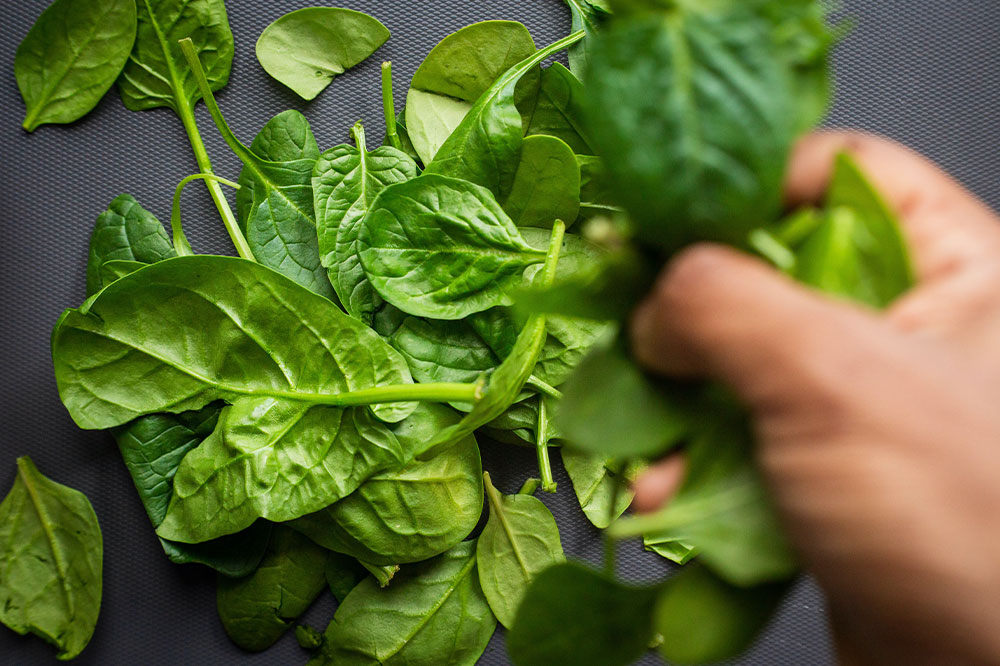
Fresh vegetables: Including green vegetables in the daily routine is the best way to keep the bones strong. This is because vegetables provide essential vitamins and minerals like vitamin C to stimulate the bone-forming cells. Also, vitamin C has antioxidant properties that safeguard the cells from damage. Studies prove that green and yellow vegetables can help build bone mass in adults and also help with bone mineralization in kids. For example, research suggests that women who add onions to their meals have at least 20% lesser chances of hip fractures. Similarly, vegetables like cabbage, broccoli, and parsley, can also be added to improve bone health.
Calcium-rich food: Calcium is the most important mineral for bone health and is stored in bones. As old bone cells are continuously replaced by new bone cells, one’s daily meals should have adequate calcium to maintain this cycle and bone strength. The daily recommended intake of calcium is 1,000 mg for adults. For women above 50 years, it is 1,200 mg, and for teenagers, it is 1,300 mg per day. One’s calcium intake derived from natural sources should be spread throughout the day as the body’s absorption capability for the mineral can vary. Instead of going for a single calcium-intensive meal, include smaller amounts of this nutrient in all meals for the day. Natural sources rich are dairy products, soya drinks, bread, green leafy vegetables like kale and okra, and fortified flour.
Foods rich in protein: About 50% of the bone is made up of proteins. Consuming protein-rich food ensures that the bones are able to absorb calcium. However, excessive protein intake can be detrimental to bone health as it leads to bone leaching. Experts recommend up to 100 grams of protein should be consumed every day for better bone health. Foods rich in protein include dairy products, eggs, and meat.
Sources of zinc and magnesium: Zinc and magnesium are two minerals that are a must for healthy bones. Zinc is an important component of bones, and its consumption leads to proper bone growth. Magnesium helps vitamin D in the body absorb calcium. Natural sources of zinc include legumes like chickpeas and beans, seeds like sesame and pumpkin, and nuts like almonds and peanuts. Magnesium can be derived from foods like avocados, tofu, nuts, legumes, pumpkin seeds, chia seeds, whole grains, bananas, and leafy greens like kale and spinach.
Foods rich in omega-3s: Omega-3s promote bone mineralization and protect against bone decay that is associated with aging. Nuts and seeds contain good amounts of omega-3 fatty acids and are rich sources of zinc, magnesium, and calcium.
Avoid eating low-calorie foods: The adult human body needs at least 1,600–2,000 calories per day. Studies prove that people consuming less than 1,000 calories per day can have lower bone density.
Lifestyle changes
Here are a few ways to maintain a healthy lifestyle to achieve better bone health:
Exercise: Regular exercise is one of the best ways to maintain high bone density. Strength or resistance training should be incorporated into the daily routine and can help people with existing conditions like knee or hip arthritis. High-impact exercise can help with the formation of new bones. These exercises also prevent bone loss, especially in older people. Exercises like walking, stair climbing, and dancing have a direct impact on lower limb and hip bones. Research suggests that such exercises help enhance bone density, strength, and size.
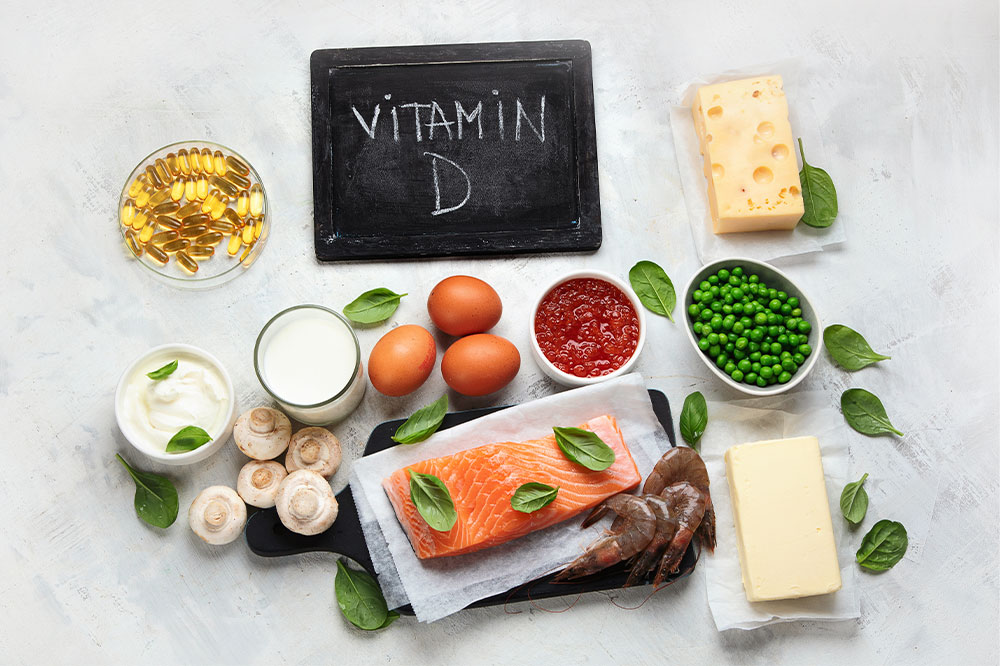
Regular exposure to sunlight: Vitamin D is crucial for maintaining healthy bones as it helps the body absorb calcium. The best source of vitamin D is the sun, so about half an hour of exposure to mid-day sun can help fulfill the vitamin D requirements of the body.
Additionally, eating well, getting adequate rest, and seeking the right treatment can help people keep their bones healthy and prevent bone loss.