3 effective tips for relieving nasal congestion
A stuffy or congested nose develops when nasal and adjacent tissues and the blood vessels are swollen with excess fluid, resulting in one’s nose feeling plugged. It may be accompanied by a runny nose or nasal discharge and can be especially uncomfortable for children. Nasal congestion can be a common symptom of allergies, cold and sinus infections, or even environmental irritants. However, one can manage nasal congestion by the following treatment options, foods, and remedies:
Treatment options
Allegra: As an antihistamine, Allegra lowers the impact of the natural chemical histamine in the body. This chemical can trigger symptoms like runny nose, watery eyes, itching, and sneezing. Allegra helps treat symptoms of seasonal allergies in both children and adults. This oral option can be taken on an empty stomach or 1–2 hours after a meal. It must not be consumed with fruit juices. One should consult a doctor for the dosage and check the label for instructions. Avoid using it for longer than recommended or in larger or small amounts than prescribed.
Xyzal: This is also an antihistamine that can help with nasal congestion symptoms and can help overcome hives and skin itching. Like Allegra, Xyzal blocks histamine to relieve allergy symptoms. One should take it orally, with or without food. Doctors recommend one dose every 24 hours, preferably in the evening. However, the dosage depends on the patient’s response to the treatment, medical condition, and age, so it is important to consult a physician before opting for this option.
Claritin: This antihistamine can provide relief from hives, watery eyes, runny nose, sneezing, skin rash, itching, hay fever, and other allergy or cold symptoms. People allergic to desloratadine or loratadine should avoid Claritin. Before consuming, one must read all the instructions on the packaging and label.
Better food choices
Some foods can help relieve nasal congestion. These are:
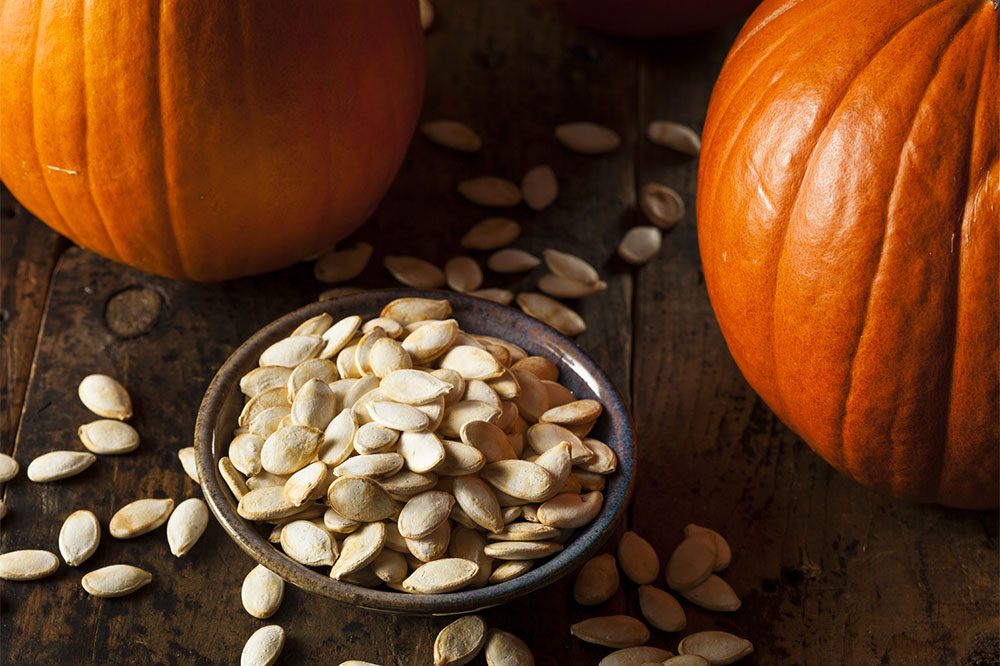
Pumpkin seeds: This is an excellent source of omega-3 fatty acids and magnesium that can help overcome inflammation and relaxes the blood vessels. These nutrients also help lower sinus swelling brought on by allergies, can prevent congestion, and let mucus drain out better. One can add pumpkin seeds to a salad, have them as a snack, or bake them into bread.
Pineapple: This tangy, sweet tropical fruit is rich in bromelain and vitamin C. The former is an enzyme that helps break down excessive sinus mucus and lower mucus production. One can grill pineapple rings and have them as a delicious side dish, opt for pineapple juice, or enjoy the fruit in salads to help relieve allergy congestion.
Grapefruit: This is a tart citrus fruit that has excellent cholesterol-fighting abilities. It is also rich in salicylic acid, which helps lower inflammation and in thinning mucus. Salicylic acid also has anti-inflammatory properties because of its pH levels, and it helps break proteins in the mucus. However, grapefruit has a tangy, sharp taste that may not be for everyone. So, one can make grapefruit and pineapple juice.
Certain foods can worsen nasal congestion and so should be avoided. This includes dairy products as they can cause congestion in people susceptible to sinus infections. These products can promote microbial growth and thicken mucus. So, reducing the amount of dairy in one’s meals can make a remarkable difference for people with sinus issues and persistent nasal congestion.
Natural remedies
Apart from food choices and treatment, one can opt for at-home remedies to relieve congestion. Here are a few simple options:
Humidifier: People with nasal congestion can use a cool-mist vaporizer or a humidifier to add moisture to the air. Breathing in humid air reduces sinus inflammation, soothes irritated nasal tissues, and thins mucus. Alternatively, one can also use cool or warm mist machines to increase humidity in the air and ease nasal congestion symptoms. But for children, it is important to always opt for cool-mist vaporizers.
Steam inhalation: Steam inhalation is another method to get instant relief from nasal congestion. It increases the humidity of the surrounding air and helps effortlessly thin and drain the mucus from the nose. A hot sauna or bath can also make one feel better. Alternatively, one can pour some hot water into the bowl and inhale it while putting a towel over their head and leaning over the bowl. It will leave one feeling less congested.
Saline nasal spray: A saline solution can also help break the thick mucus and drain it easily. To make a saline nasal solution, one would have to boil about eight ounces of water and let it sit for some time. When the water reaches room temperature, it can be transferred to a clean jar/spray bottle before adding three teaspoons of kosher salt and a teaspoon of baking soda to it. Here’s how to use the spray:
First, one should clear their nose and stand upright. Shake the spray bottle before use and then shut one nostril by pressing a finger against it. Then position the bottle’s nozzle under the other nostril, s queeze the bottle gently, and inhale the solution with open nostrils. Sniff multiple times to let the solution enter the nasal passages.
So, to prevent or get rid of nasal congestion, one can adopt these treatment measures and remedies as well as make better food choices.