3 common types of soaps that trigger eczema flareups
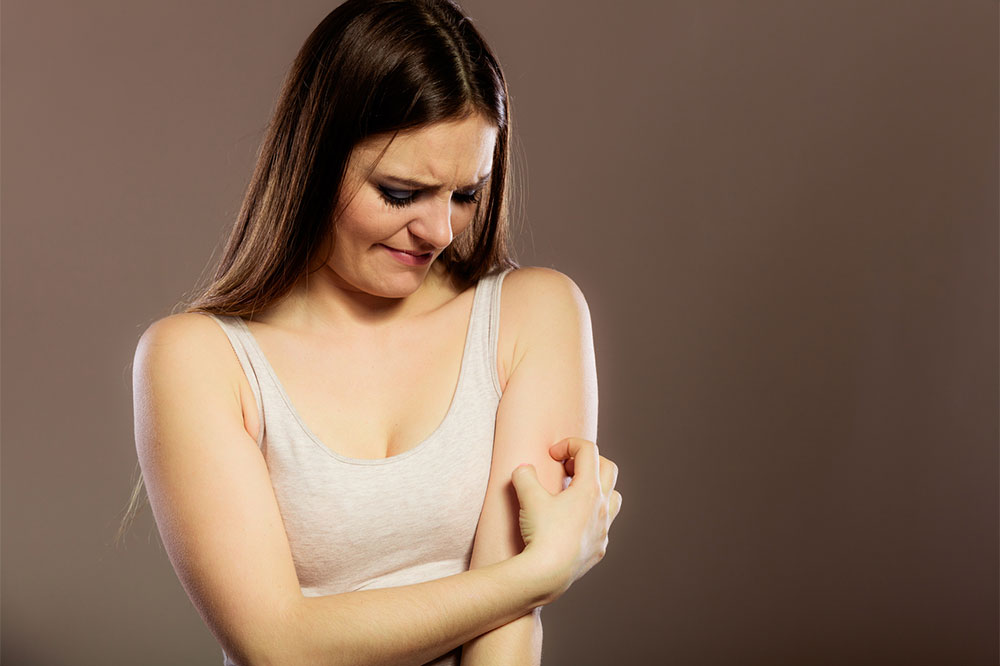
Atopic dermatitis or eczema is a skin disease that makes the skin reddish, inflamed, and itchy because of specific triggers. It can affect any body part and appear anywhere on the skin. The most common symptoms are dryness, bumps, rashes, redness, and peeling of the skin. Despite being one of the most typical forms of atopic dermatitis, there is no such common definite cause; however, particular triggers cause eczema flareups, including specific kinds of soaps.
Soaps and eczema flareups
When eczema triggers, most of the time, it makes its appearance in certain typical parts of the body. These include behind the knee areas, hands, and feet. Some of the most common triggers of eczema flareups include household cleaners containing specific chemicals, and, most notably, soaps. However, the experience of eczema won’t be the same for everyone. One of the most typical symptoms is dry skin, where the soap’s role becomes significant.
It is a pretty well-known fact that using soaps makes one’s skin dry. This happens because of specific harsh chemicals that swipe off moisture from one’s skin. These chemicals can also trigger severe irritation and reactions, specifically if the skin is too sensitive or if one is suffering from eczema.
Some of the nastiest chemicals most soaps and other skin care products contain parabens, sulfates, plastics, and all-fragrances. So, if one has eczema, better to look out for these elements in the soap’s ingredient list.
Common types of soaps that trigger eczema flareups
Besides soaps with harmful ingredients like parabens, sulfates, fragrances, or plastics, other specific soaps are well-known for triggering eczema flareups. Here are three common types of soaps that one must avoid if they have eczema:
Bubble baths
While everyone, from kids to adults, loves to have a bubble bath, they are not ideal if one has eczema. On the contrary, bubble baths can be one of the worst triggers of eczema flareups. But why are they so harmful?
The primary reason is that foaming agents contain many harmful chemicals that irritate the skin. Besides that, all soaps make the skin dry. Consequently, if one is soaking in a bubble bath for extended periods, the skin will dry out completely, which is one of the most common triggers for eczema flareups. Therefore, it is suggested that when using soap during baths, the skin remains exposed to it as little as possible. Accordingly, soaking one’s body in bubbles is not advisable if one has eczema. This is applicable even if one finds some ‘eczema-safe’ bubble baths, as it is better to remain on the safer side than regret it later.
Sanitizers and foaming soaps
So far, the discussion has been primarily centered on bathing soaps. However, some soaps trigger severe reactions in one’s hands. Again, not suitable for people with eczema.
Even though it is an integral part of our life, hand sanitizers are one of the worst products an eczema patient can use. Why? They contain one of the most skin-drying ingredients: spirits, their primary ingredient.
Besides a hand sanitizer, a foaming soap is another detrimental product a person with eczema can use. It is incredibly harsh and triggers severe reactions in people with sensitive skin. The foam generates in abundance from the inclusion of various unsafe ingredients and chemicals. Some of the most typical elements of foaming soaps include dish soap and cleansers, which are potent enough to cause hand eczema.
Soaps containing scented oils
Nothing can be more relaxing than taking a bubble bath with scented oils after a long exhausting day. While some use scented-oiled soaps, others add them separately for an extra effect. However, if one has eczema, they should avoid fragrant-type products, including soaps and scented oils, as they contain perfume and dye.
Instead of scented oils, adding a few drops of sandalwood and lavender essential oils would be best to help one unwind and take care of their skin.
Managing eczema
Managing eczema can be pretty tricky as there is no known cause. Therefore, eczema patients must read the product labels before using soaps for moisturizing and bathing. Also, one must consult a doctor to know the dos and don’ts of managing eczema.
Depending on the condition, the doctor will typically prescribe Cibinqo abrocitinib eczema tablets, primarily used for adult and adolescent eczema treatment. Cibinqo abrocitinib RX eczema is an FDA-approved oral JAK1 inhibitor administered to treat moderate to severe eczema after all treatment options, including biologics, have failed to work or control the disease.
So, one should have them as prescribed and ensure to hydrate their skin daily as the skin of an eczema patient may lack water. Also, one must ensure the skincare products used do not contain propylene glycol, fragrances, and a preservative known as Methylisothiazolinone (MI and MCI).