18 essential factors to consider before investing in precious metals
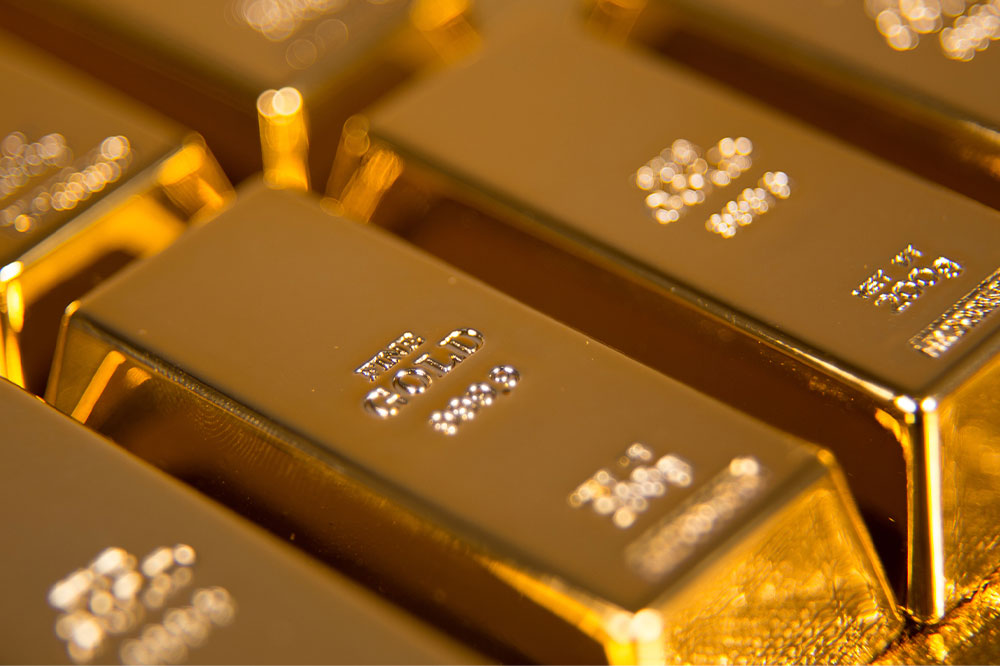
Investing in precious metals has held appeal for individuals seeking to diversify portfolios. Precious metals such as gold, silver, platinum, and palladium have historically maintained intrinsic value, making them a sought-after asset class. However, before delving into the world of precious metal investments, it is crucial to understand the nuances and factors that can significantly impact investment decisions. This article delves into key aspects to grasp before embarking on precious metal investments.
Types of precious metals
The term “precious metals” encompasses a range of metals, with gold and silver being the most popular. Platinum and palladium also come under this category, albeit less commonly traded. Each metal possesses unique properties and applications, influencing market dynamics and value. Thus, one should research the different types of precious metals and possess sufficient knowledge before investing in them.
Intrinsic value
Precious metals are valued for their utility, beauty, and rarity. Unlike other assets, they possess intrinsic value not reliant on the performance of a specific company or government. This inherent worth provides a degree of stability to investments. Understanding the intrinsic value of different precious metals is essential to deciding what precious metals to invest in.
Price volatility
While precious metals are often considered safe-haven investments, their prices can still exhibit high volatility. Factors such as geopolitical events, economic conditions, and changes in demand can cause significant price fluctuations.
Market liquidity
Liquidity is a vital consideration. Gold and silver are relatively easy to buy and sell, with active markets worldwide. However, less frequently traded metals like platinum and palladium may have reduced liquidity, making it challenging to enter or exit positions quickly.
Storage and security
Unlike stocks or bonds, precious metals are physically possessed or stored securely. Thus, it is important to consider the costs and logistics associated with safe storage. Many investors opt for secure vaults or storage facilities.
Counterparty risk
Precious metals can be held in physical form or through various financial instruments like ETFs or futures contracts. When using financial instruments, one should be aware of counterparty risk—the risk that the entity holding precious metals may default.
Portfolio diversification
Precious metals can be an effective means of diversifying an investment portfolio. They tend to move inversely to traditional assets like stocks and bonds, providing a hedge against market volatility.
Allocation strategy
It is important to determine the portion of a portfolio allocated to precious metals. This decision should align with overall investment goals and risk tolerance. Experts recommend allocating approximately 5-10% of a portfolio to precious metals.
Long-term vs. short-term
Before investing in precious metals, one should determine whether the investment is intended for short-term gains or long-term wealth preservation. Investment horizons can influence the type of precious metal investment that is most suitable.
Numismatic coins
If one is interested in both collecting and investing, one may want to consider numismatic coins. These coins have additional value due to rarity, historical significance, or condition.
Taxation
The tax treatment of precious metal investments can vary based on location and the form of investment. Some jurisdictions impose capital gains taxes on the sale of precious metals, while others may exempt certain coins or bars from taxation. Hence, it is essential to be aware of tax rules applicable to investments.
Reputable dealers
When purchasing physical precious metals, one should choose reputable dealers with a history of fair pricing and authenticity. Verify the dealer’s credentials, and consider seeking recommendations from trusted sources.
Recognizing scams
Unfortunately, the precious metals market is not immune to scams and fraudulent schemes. Exercising caution regarding deals that appear too good to be true and performing due diligence can help one identify and steer clear of such scams.
Storage options
If physically possessing precious metals, one should consider secure storage options such as a bank safe deposit box or a private vault. Home storage can be risky, potentially exposing assets to theft or loss.
Exit strategy
Having a clear plan is crucial for selling precious metals. Investors should study the current market conditions carefully and be prepared to adapt strategies accordingly.
Global economic conditions
Precious metals’ performance is often influenced by global economic conditions. Hence, one should pay close attention to factors such as inflation rates, interest rates, and currency fluctuations, as these can impact the value of one’s precious metal investments. For instance, during periods of high inflation, precious metals like gold tend to perform well as they are seen as a hedge against inflation.
Supply and demand dynamics
Like any commodity, the price of precious metals is also influenced by supply and demand dynamics. Changes in mining production, geopolitical events affecting mining regions, and shifts in industrial demand for these metals can affect their prices. Staying informed about these factors can help one make more informed investment decisions in the precious metals market.
Costs and fees
It’s essential to be aware of all associated costs and fees when investing in precious metals. These costs can include premiums over the spot price when buying physical metals, storage fees for secure storage facilities, and transaction fees when buying or selling through certain investment vehicles like ETFs or futures contracts.
Investing in precious metals can be a prudent move for diversifying portfolios and safeguarding wealth. However, it is essential to approach this asset class with careful consideration and a solid understanding of market dynamics and associated risks. Remember that while precious metals serve as a reliable store of value, their prices can exhibit volatility, and the market possesses nuances.
Before making investment decisions, investors should conduct thorough research on options. Moreover, one should assess risk tolerance and consult financial professionals if necessary. By taking these steps and staying informed, navigating the world of precious metal investments can be confidently undertaken, enabling informed choices that align with financial goals.