17 fridge mistakes to avoid
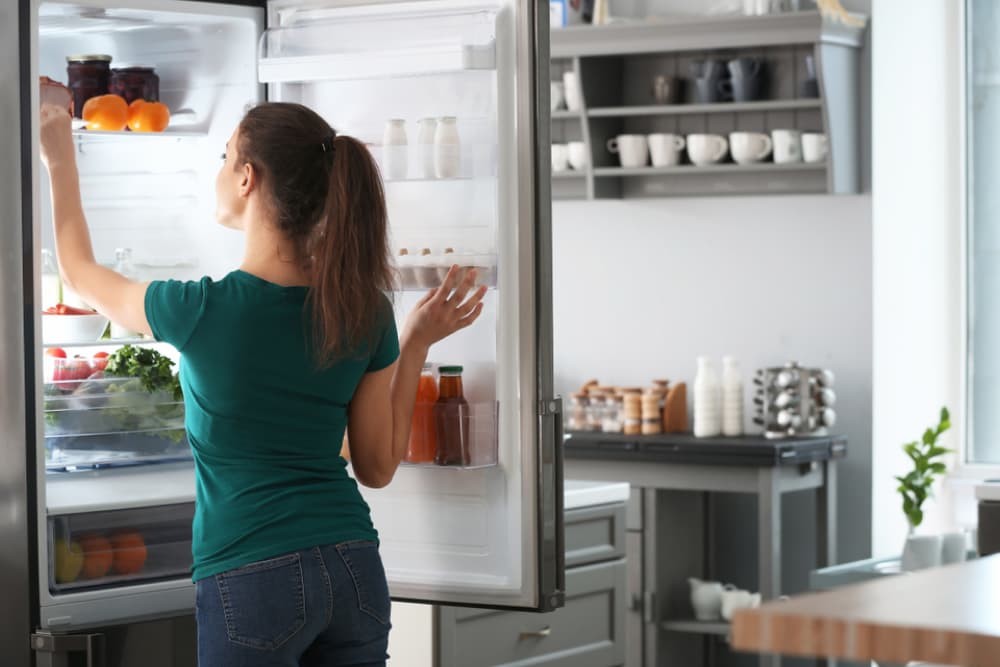
The refrigerator plays an integral part in the smooth functioning of the modern kitchen. It is not just a storage vessel. The refrigerator contributes to storing food, cooked and uncooked. It negates the need to produce shopping every other day. It plays a considerable part in meal planning and prepping for the upcoming week, making things easier for busy individuals. However, certain mistakes can contribute to the compromised functioning of the appliance and must be avoided.
Overstuffing
When one stuffs their refrigerator excessively, it can lead to spoiled food. The air circulation in the fridge is restricted when every inch of space is filled with groceries. This can cause uneven cooling and spoilage of food. To avoid this, adopting a “less is more” approach is important, allowing cool air to circulate freely and keeping all the items fresh.
Disorganized interiors
An untidy refrigerator can be compared to a disorganized wardrobe. Finding what one may need can be difficult, leading to items being overlooked and spoiling. To improve efficiency and make every ingredient easily accessible, it is important to introduce a system of organization. This can be achieved by grouping and labeling similar items, transforming the fridge into an orderly and convenient space.
Temperature negligence
The fridge’s thermostat is an essential component that affects the food’s freshness. If one ignores its setting, it can cause temperature imbalances affecting the lifespan of perishable food items. Therefore, it is important to take a moment to adjust the temperature settings and align them with recommended guidelines for optimal food preservation.
Neglected cleaning routine
Neglecting regular cleaning leads to unpleasant odors and provides a breeding ground for bacteria. Adopting a simple routine of clearing out expired items, wiping down surfaces, and addressing spills ensures a clean and hygienic fridge environment.
Overlooking the freezer’s maintenance
The freezer, often overlooked compared to the main fridge, has unique challenges. Freezer burn, a common issue caused by improper packaging, can reduce the quality of frozen food. To ensure the longevity of frozen items, it is recommended to prioritize airtight packaging, labeling, and organizing the freezer contents effectively.
Ignoring leftovers
Leftovers can be convenient, but they can become unintentional science experiments if left unchecked. Failing to label and date leftover dishes increases the risk of consuming expired items. To avoid this, it is essential to implement a labeling system and follow a ‘first in, first out’ approach.
Procrastinating repairs
Ignoring signs of malfunction, such as erratic temperatures or unusual sounds, can escalate minor issues into major breakdowns. Timely attention to repairs ensures the appliance’s longevity and prevents costly replacements.
Improper placement of perishables
Every item in the fridge has its preferred spot based on temperature zones. Placing perishables like dairy and raw meats in the fridge door, where temperatures fluctuate, compromises their freshness.
Undiscerning door dwellers
The fridge door, often a go-to storage spot, is less cool than its interior shelves. Placing temperature-sensitive items like eggs or dairy in the door exposes them to fluctuating temperatures, impacting their freshness. Prioritizing door storage for condiments and items with a longer shelf life contributes to an efficient fridge setup.
Ignoring humidity control
The fridge’s humidity controls play a vital role in preserving different types of food. Neglecting to adjust humidity settings for fruits, vegetables, and other items susceptible to moisture can lead to premature wilting or molding. Understanding and utilizing humidity controls optimize the freshness of each item.
Unwise door clutter
Overloading the door with numerous items impedes its proper closure, leading to temperature fluctuations. Streamlining the door contents and ensuring a secure seal prevents energy waste and maintains consistent cooling.
Storing hot foods
Placing hot dishes directly into the fridge might seem like a time-saving maneuver, but it’s a misstep. The fridge works optimally when dealing with pre-chilled or room-temperature items. Introducing hot dishes raises internal temperatures, straining the appliance and potentially compromising the safety of other stored foods.
Ignoring expiry dates
Consuming items past their prime poses health risks and undermines the purpose of a fridge. Regularly inspecting and promptly discarding expired items ensures the safety and quality of the stored food inventory.
Neglecting condenser coils
The condenser coils at the back or underneath the fridge are crucial in heat exchange. When these coils are covered in dust and debris, the fridge’s cooling efficiency diminishes, increasing energy consumption. Regularly vacuuming or brushing off the coils enhances the fridge’s overall performance.
Relying on the fridge for every item
Not every item belongs in the fridge. For example, potatoes, onions, and some fruits fare better in a cool, dark pantry. Placing items not requiring refrigeration takes up space and contributes to overcrowding. A discerning approach to what goes in the fridge optimizes its functionality.
Disregarding door gaskets
The rubber gaskets lining the fridge door are essential for proper sealing. Over time, these gaskets can wear out or accumulate dirt, compromising the fridge’s ability to retain cold air. Periodically cleaning the gaskets and ensuring proper alignment contributes to consistent cooling and energy efficiency.
Mismanaging leftover containers
Leftover containers, if not properly sealed, can contribute to odors and cross-contamination. Using a variety of airtight containers that fit well on the fridge shelves and are easily stackable enhances organization and prevents spills. Regularly checking and replacing damaged containers ensures a hygienic fridge environment.