14 mistakes to avoid after a dental implant procedure
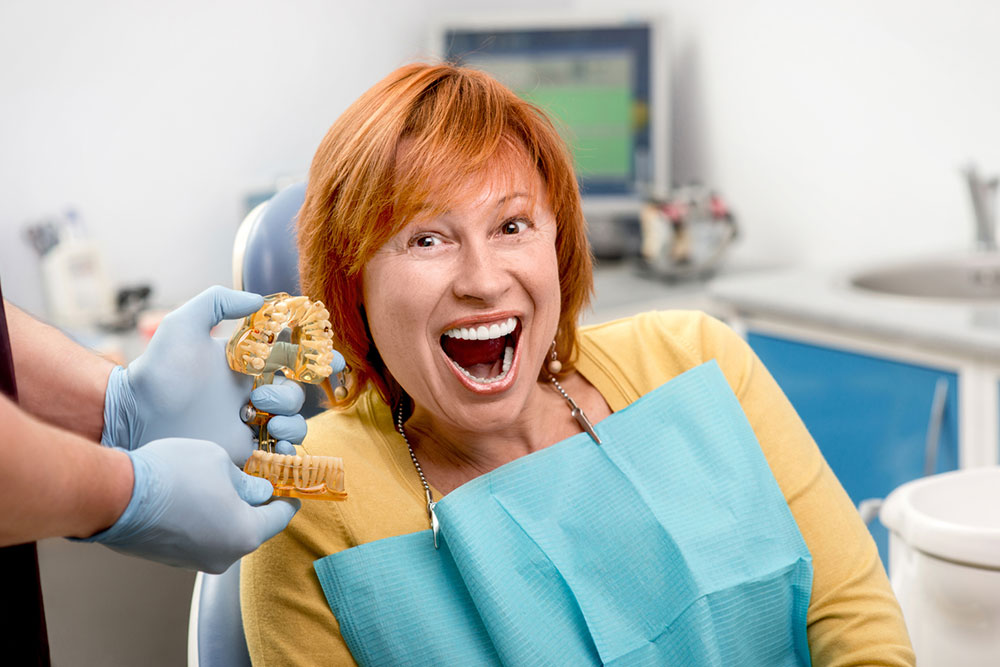
Research suggests that almost 50% of people nationwide are missing at least one tooth. Dental implants are titanium replacements to teeth roots, used to hold false teeth in place. A dental surgeon fixes these implants using a screw-like tool and the artificial tooth is then secured on the implant. Individuals with dental implants should take certain care measures after the implantation. Furthermore, here are some mistakes to avoid after a dental implant procedure.
Using a toothbrush with hard bristles
Toothbrushes with hard bristles can hurt one’s teeth and gums, as the teeth are sensitive after a dental implant procedure. So, one should use toothbrushes with soft bristles, preferably nylon bristles, to avoid any damage to the implanted teeth.
Having foods that are difficult to chew
Food items like crackers, chips, nuts, and toasted bread have hard surfaces and can worsen one’s toothache. This is why dentists recommend that after a dental implant procedure, one should have soft, easy-to-chew foods like mashed potatoes, soft breads, porridge, cereals, and tender fruits like bananas.
Neglecting basic dental hygiene practices
Neglecting oral hygiene can cause dental health issues like tar-tar and cavities, increasing one’s discomfort after a dental implant procedure. Thus, individuals with dental implants should consistently follow dental hygiene practices like brushing two times a day and rinsing their mouth after meals. One may also use a good-quality mouthwash approximately three times a week for optimal oral hygiene.
Having excessive sugar
Excessive sugar intake is among the leading causes of tooth decay and cavity formation. So, those with dental implants should limit or avoid having foods and beverages containing added sugar, including confectionaries, soft drinks, and instant breakfast cereals. It helps to replace added sugar with natural sugar sources, such as fruits and fresh fruit juices.
Not flossing regularly
The development of plaque after a dental implant procedure can aggravate one’s discomfort and eventually lead to tooth decay. Flossing helps manage tartar and remove food particles stuck between the teeth. Thus, it is advisable to floss at least three times a week to ensure optimal dental hygiene.
Not having foods rich in calcium
Calcium is essential to strengthen one’s enamel and prevent issues like cavities and decay. Therefore, one should add calcium-rich foods like dairy (or soy milk if one is lactose intolerant), leafy greens, yogurt, beans, figs, sardines, and salmon to one’s meals. This may help prevent any further damage to one’s teeth after a dental implant procedure.
Using corrosion-causing products
Certain products, although generally good for the teeth, can cause corrosion among those with sensitive teeth or existing teeth problems. Some such products include baking soda, sodium (in excessive quantities), and stannous fluoride. So, people with dental implants should choose their dental products carefully, avoiding the ones containing such corrosion-causing ingredients.
Having highly acidic foods
Highly acidic foods and beverages, such as tea, coffee, soft drinks, and citrus fruits, can cause gum inflammation and irritation, particularly just after dental implantation. For this reason, dentists often advise patients to avoid acidic foods for a few days following the dental implant procedure.
Staying dehydrated
Adequate hydration ensures that the mouth is clean and there are no cavities. One should have 2-3 liters of water a day to maintain good oral health after dental implantation. It is also a good idea to have other healthy fluids, like soups, fresh fruit juices, and smoothies with no added sugar to stay hydrated.
Skipping dental checkups and follow-ups
Dental implantation does not end with the completion of the procedure. Besides taking adequate care at home, one should schedule regular dental checkups and follow-up sessions with one’s dentist, discussing any new developments or issues openly to prevent further complications. It is advisable to go for dental checkups once in six months or more frequently in case of any problems.
Not having a nutrient-rich meal plan
Sometimes, dentists may advise one to have ice-creams and cold foods for a brief period after a dental implant surgery. However, such foods in isolation can deprive one of essential nutrients. So, it is essential to replenish one’s body with nutrients by having wholesome foods rich in calcium, iron, healthy carbs, proteins, vitamins, and minerals. Foods like boiled whole grains, eggs, leafy green vegetables, fruits, fatty fish, and lean meats can help one gain the required nutrition from meals.
Not taking enough time to recover
A common mistake among patients with dental implants is to resume their regular activities immediately after the procedure. Inadequate recovery time can cause suture damage and other complications. The body requires sufficient time to heal, as dental implantation is a major dental procedure. Individuals with implants should preferably take a few days off from their work schedules, seek assistance for household chores, and rest completely before resuming their regular activities.
Not consulting a dentist in case of complications
Sometimes, dental implantation can lead to complications like infections, nerve damage, sinus problems, and gum injuries. In such cases, it is imperative to inform one’s dentist immediately about these developments and seek professional assistance to alleviate such symptoms. Not consulting a dentist at the earliest can worsen dental implant complications, aggravating existing dental health issues.
Playing impact sports
While it is a good idea to distract oneself by indulging in hobbies and interests after a dental implant procedure, playing impact sports like basketball, football, and boxing may cause injuries to the jaw, teeth, and gums, severely damaging dental implants and prosthetic teeth. Thus, one should steer clear of impact sports for a few months after a dental implant procedure. Replacing such activities with safer ones like jogging or running, cycling, swimming, and dancing is advisable.
One should avoid these common mistakes and take adequate care after a dental implant procedure to prevent any complications and facilitate speedy recovery.