14 Human Foods That Cats Can Safely Enjoy
Caring for your cat is not only about grooming them or spending time with them. It also involves providing them with proper nutrition for better health. You will be glad to hear that your pet cat can safely enjoy selected foods from your plate. But remember that cats are carnivorous animals, so 50% of their meals should be animal protein. Here is a list of human foods that are safe and suitable for cats.
Apples
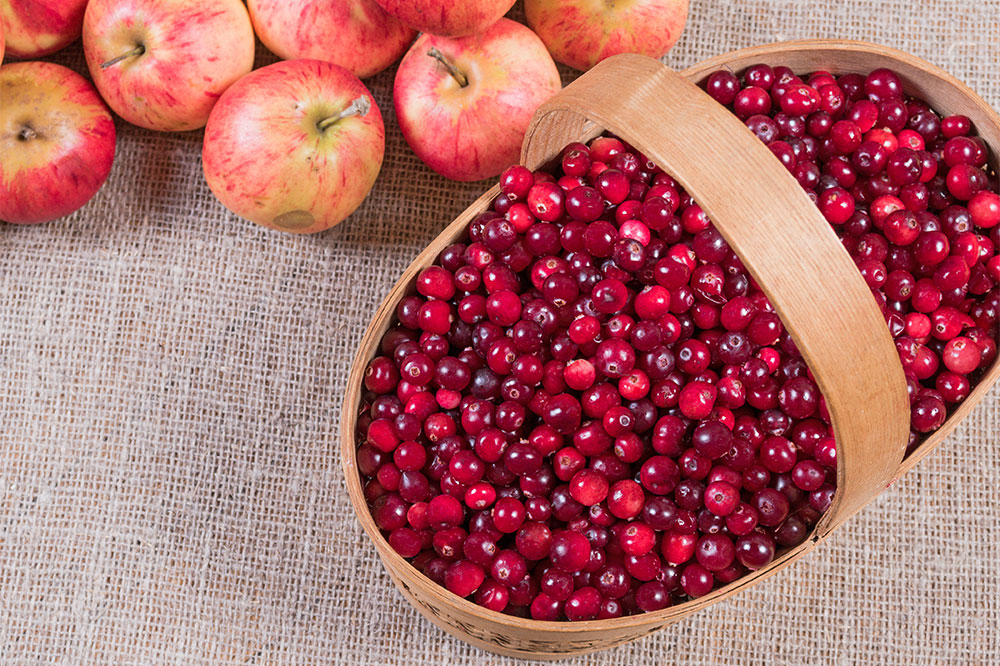
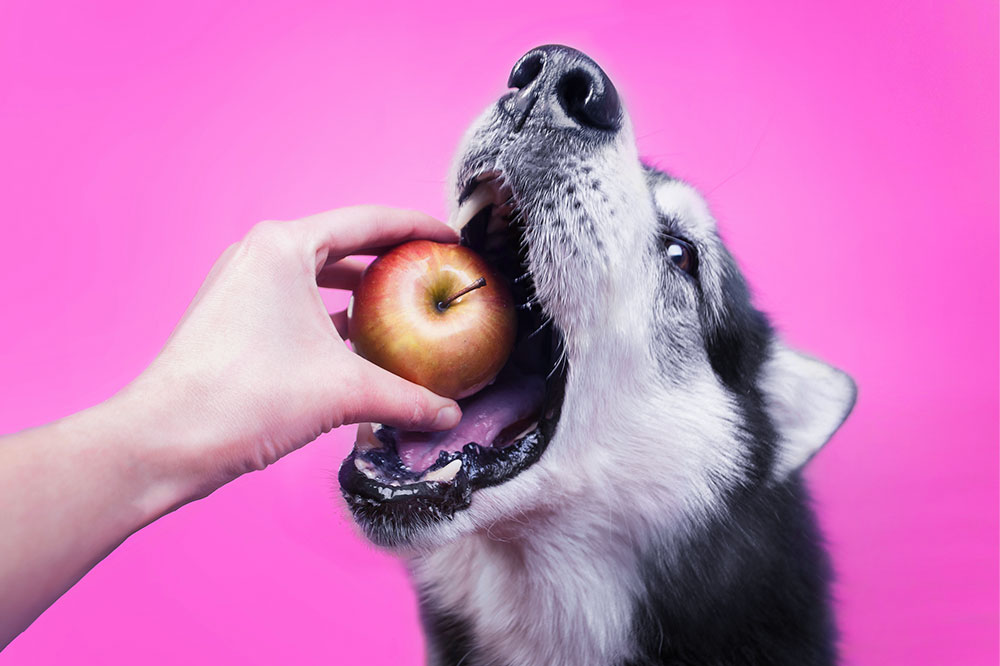
Apples have fiber, vitamins, and even water to keep cats hydrated. While you can safely feed them apples in moderate quantities, ensure to remove the skin, stem, and seeds, as they contain tiny amounts of cyanide, which is toxic to cats.
Meat
Cats are carnivores, so you can feed them any type of meat, such as beef, turkey, and chicken. Meat is a good source of protein, necessary for a healthy heart, eyesight, and reproductive system. Ensure the meat is thoroughly cooked without sauces or seasonings. The skin and bones should also be removed before feeding. The best methods to cook meat for feline consumption are boiling, grilling, or baking.
Fish
Most cats love fish because they taste and smell good, but every pet’s preference can differ. If you are confused bout choosing a particular variety of fish, go for tuna and salmon. These are good sources of omega-3 fatty acids that can reduce inflammation in felines and improve vision and joint health. But serving raw fish to cats is not a good idea; give them cooked or canned fish.
Whole grains
Cats can safely enjoy whole grains like oatmeal, brown rice, barley, cornmeal, and millet. These grains have plant-based proteins and fiber and are easier to digest than processed grains like corn, wheat, and soy. Whole grains benefit a cat’s overall health as long as they are well-cooked and fed in limited quantities.
Eggs
Eggs are a healthy and safe human food for your feline friend. They contain essential amino acids like taurine that keep cats lean and fit and boost digestion, vision, and heart function. However, avoid raw eggs, which might carry viruses and bacteria that can harm them. Feed your cat only boiled or scrambled eggs.
Bananas
Feed your cat bananas after removing the peel and cutting it into bite-sized pieces. Cats have difficulty digesting banana peels, and ingesting them can cause an upset stomach. Bananas are rich in potassium and soluble fiber. But since they are also high in sugar, they should be given only as an occasional treat.
Celery
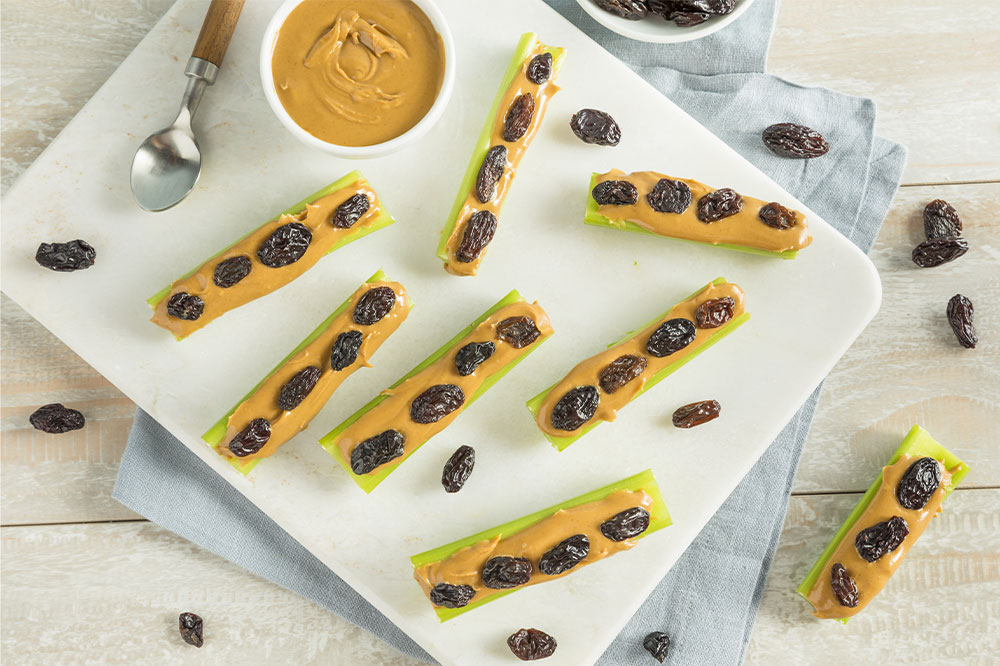
This green plant is rich in vitamins and fiber, which make it excellent for cats with digestive problems and kidney trouble. The high water content in this plant also helps maintain the overall hydration of your pet.
Pumpkin
Pumpkin is high in fiber and low in calories, making it a healthy food. It is perfect for cats with digestive issues like constipation, as it can improve gut mobility. You can give your cat pumpkin puree brought from the store or freshly made at home.
Lettuce
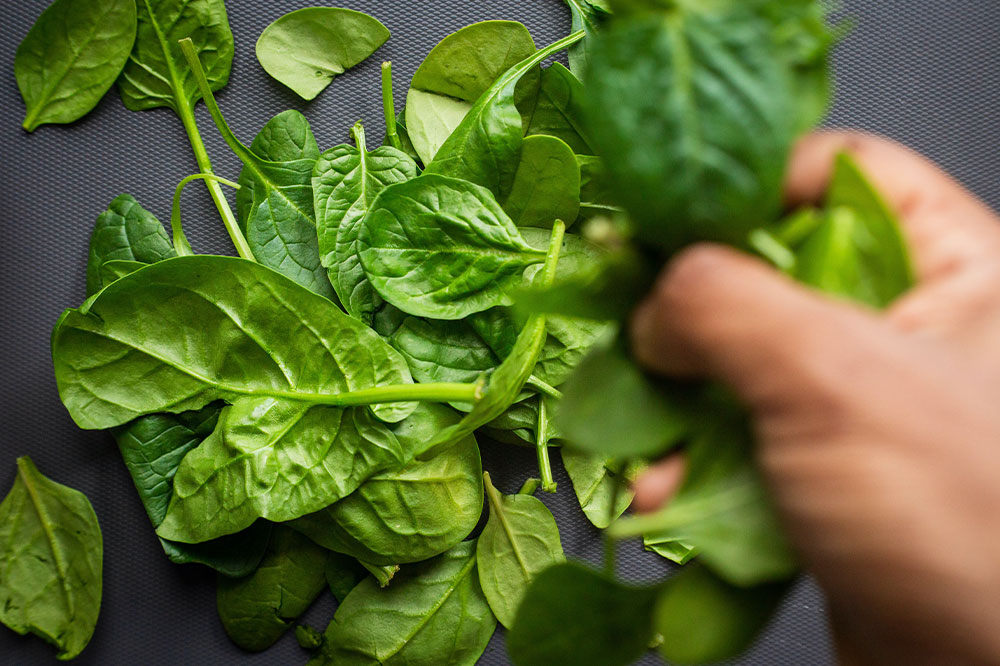
This green leafy vegetable has many health benefits, thanks to its rich reserves of folate, fiber, and vitamins A and K. Lettuce also has high water content, which means it can provide hydration to cats who do not drink water regularly.
Melons
Cats can safely eat small quantities of cantaloupes, honeydew, or seedless watermelons. These fruits are high in antioxidants and beta-carotene, which help keep the skin and eyes healthy. Do not forget to remove the outer skin and seeds before serving.
Carrots
Carrots are ideal for cats as they are loaded with vitamins and minerals. The beta carotene in them is beneficial for their eyes and coat. But avoid raw carrots as they may cause choking. Peel and chop the carrots into bite-size pieces and bake or steam them before feeding.
Peas
Peas are a common ingredient in many commercial cat foods because they are low in calories and a healthy source of protein and fiber. If your cat has digestive issues, feed them fresh or frozen peas, as their high fiber content will help regulate digestion. Avoid canned peas as they have a high sodium content that can be dangerous.
Bread
Bread is a human food cats like, but it should be fed in moderation as a snack as it provides empty calories and does not have much nutritional value. Choose any kind of bread, except those with onion and garlic, as these ingredients can be toxic to cats. Whole grain or multigrain bread is the best option for your feline friend.
Oatmeal
Oats are excellent for cat health, making them a standard component of many commercial cat foods. They are loaded with fiber and iron. While fiber helps regulate digestion, iron is required to supply oxygen throughout the body. You can feed raw oats to your cat, but it is safer when cooked or at least soaked before ingestion.
While some human foods are safe for cats, others can cause serious health problems. As a pet owner, you must make an informed decision regarding your cat’s nutrition. You can introduce your pet to these foods to keep them healthy and happy, but a good rule of thumb is that they should not make up more than 15 percent of their meal. Also, if your cat has a health condition, consult a vet before adding any new food to their nutrition plan.
If you find it hard to give your furry friend home-cooked meals, consider the ready-made offerings by wet cat food brands in the market. Many brands offer wet cat treats with the optimum nutrition needed for a cat’s overall health. Wet cat foods have enough water content to keep your pet hydrated and are easier to swallow.