13 superfoods that help prevent and manage migraines
Individuals grappling with migraine attacks would perhaps understand best that headaches can be debilitating, affecting one’s daily routines considerably. A migraine attack is a severe throbbing headache, typically on one side of the head, accompanied by symptoms like vomiting, nausea, and light and sound sensitivity. These attacks occur intermittently and may last varying durations, differing between individuals. Let’s get insights into certain foods that can help fight migraines and control their symptoms.
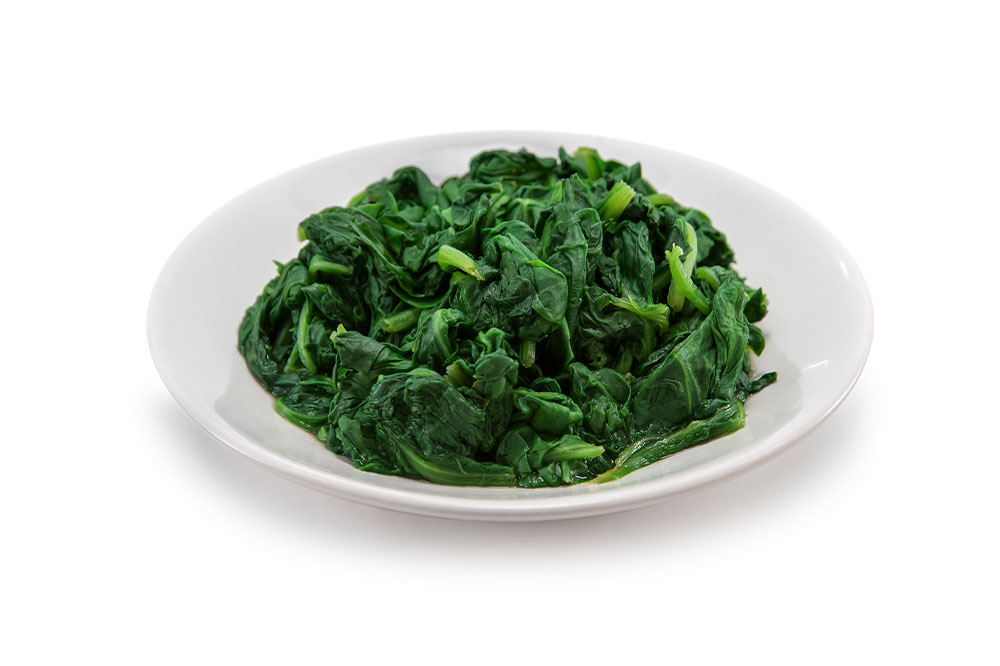
Boiled spinach
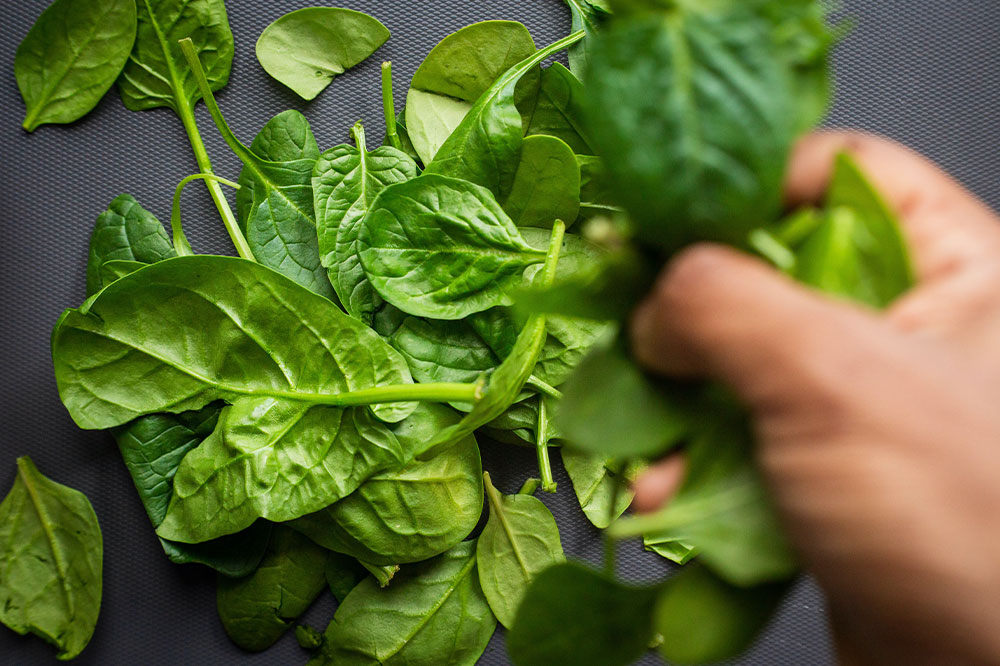
Some studies have shown that magnesium may block certain brain signals that cause migraine attacks, while other research articles suggest that magnesium is essential to stop the development of certain chemicals that may contribute to migraines. Thus, magnesium-rich foods can help individuals with migraines control their symptoms. Half a cup of boiled spinach contains nearly 78 mg of magnesium; moreover, it is an excellent source of iron, whose deficiency can cause low oxygen levels in the brain and lead to migraines. Further, it is advisable to have vitamin C-rich foods alongside foods rich in iron to ensure optimal iron absorption.
Bananas
An extreme dip in blood sugar levels can cause or exacerbate migraine headaches. Besides being rich in magnesium and potassium, bananas provide an instant surge of energy and prevent the onset of a migraine attack. Bananas are also healthier alternatives to processed sugary foods like chocolates and cookies. Moreover, it is imperative to stay hydrated at all times, particularly when one is prone to migraines. Bananas are high in water content and help prevent dehydration. This humble fruit may be added to several quick preparations, including shakes, smoothies, and fruit salads.
Fatty fish
Studies have demonstrated that a meal plan containing foods rich in omega-3 fatty acids can help with migraine relief. Fatty or oily fish varieties like salmon, tuna, herring, and mackerel are packed with omega-3 and should be a part of one’s daily meals.
Herbal tea
Tea has been recommended as a natural headache reliever for ages, and for a good reason. Herbal teas can provide one with much-needed hydration, besides acting as an antioxidant in the body. Research suggests that herbal teas such as ginger tea, turmeric tea, peppermint tea, and chamomile tea can be helpful for individuals suffering from migraine attacks.
Berries
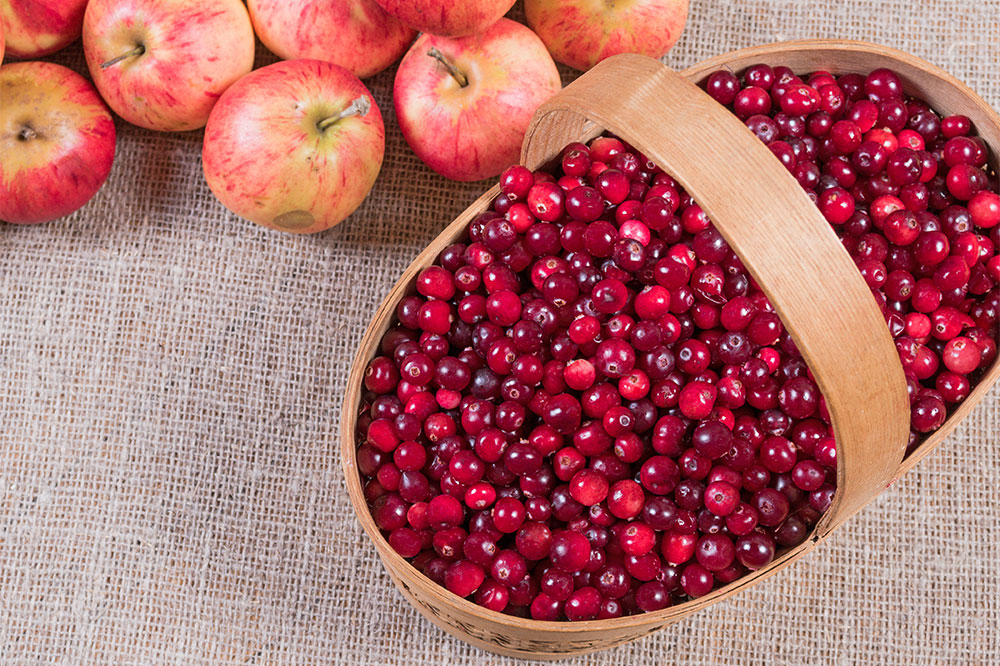
Berries such as blackberries, strawberries, and blueberries contain a flavonoid antioxidant known as quercetin, which can help with controlling migraine symptoms. Berries are also good sources of magnesium, an essential nutrient for migraine prevention and management.
Almonds
Besides being excellent for strong hair and nails and good skin, almonds can help manage migraines, as they are rich sources of magnesium. They are also highly fibrous foods and contain healthy fats, which are essential for overall health and well-being.
Flaxseeds
Flaxseeds are gaining considerable popularity as superfoods due to their high nutritional value. These are packed with omega-3, which is essential to fight migraines. Moreover, a spoonful of flaxseeds has 3 grams of fiber, including soluble fiber, which can help manage blood sugar and cholesterol and prevent hypoglycemia. One may purchase pre-ground flaxseeds or grind them using a food processor. Ground flaxseeds may be consumed directly or added to salads, shakes, and smoothies.
Turnip greens
These healthy greens are loaded with phosphorus and vitamins A and K; they are also rich sources of magnesium and can be a great addition to one’s meal plan for managing migraines. However, since they also contain high sodium levels, which can trigger or worsen migraine-related symptoms, it is advisable to have turnip greens in limited quantities and avoid adding salt while cooking them.
Yogurt
Yogurt is popular as a rich protein source and a natural probiotic that can help with gut issues. In addition, it contains high levels of riboflavin, a vitamin B-complex component that is shown to reduce the instances of migraine attacks among patients prone to them. It can also increase the effectiveness of certain interventions prescribed to manage migraines. However, it is best to avoid sweetened or flavored yogurts and stick to plain yogurts in order to manage migraines.
Watermelon
Dehydration can be a major contributing or aggravating factor for people suffering from migraines. It can significantly lower oxygen levels in the brain and affect one’s pain receptors. Watermelon is among the best natural thirst quenchers, with water accounting for 92% of its constituents. It is also a good antioxidant and is packed with essential nutrients like vitamins A, C, and B5, and potassium, making it one of the best foods for migraines.
Ginger
Ginger is regarded as a powerhouse of anti-inflammatory compounds that can considerably aid in migraine symptom management. It can also help treat constrictions in blood vessels, which may act as contributing factors to migraine attacks. Further, ginger can help address other migraine-related symptoms, such as nausea and vomiting. Chopped or julienned ginger may be added to gravies, stir-fries, and soups to enhance flavor while managing migraines. Moreover, ginger tea is widely recommended as a natural remedy for migraines.
Fresh figs
These delicious fruits are packed with potassium, a nutrient that can help relieve severe migraines and enhance nerve-cell functioning. However, dried figs contain tyramine, an amino acid associated with worsening of migraine headaches. Thus, it is recommended that people with migraines include only fresh figs in their meal plans.
Kale
Like other leafy greens, kale is a rich source of magnesium, essential for migraine management. Additionally, it is loaded with omega-3 fatty acids and fiber, both of which are essential to prevent migraines and conditions associated with it, such as hypoglycemia. Stir-fried or steamed kale is a healthy inclusion to one’s meals. It may also be added to smoothies, salads, and soups.
Besides following a healthy lifestyle and incorporating certain foods into one’s nutrition regime, people with migraine should limit or avoid foods containing high levels of tyramine, such as aged cheeses like Parmesan and Swiss cheeses, cured meats, sauerkrauts, and pickled foods. Staying hydrated and maintaining an active lifestyle can also contribute to preventing and managing migraines.