13-point checklist to consider before buying an iPhone
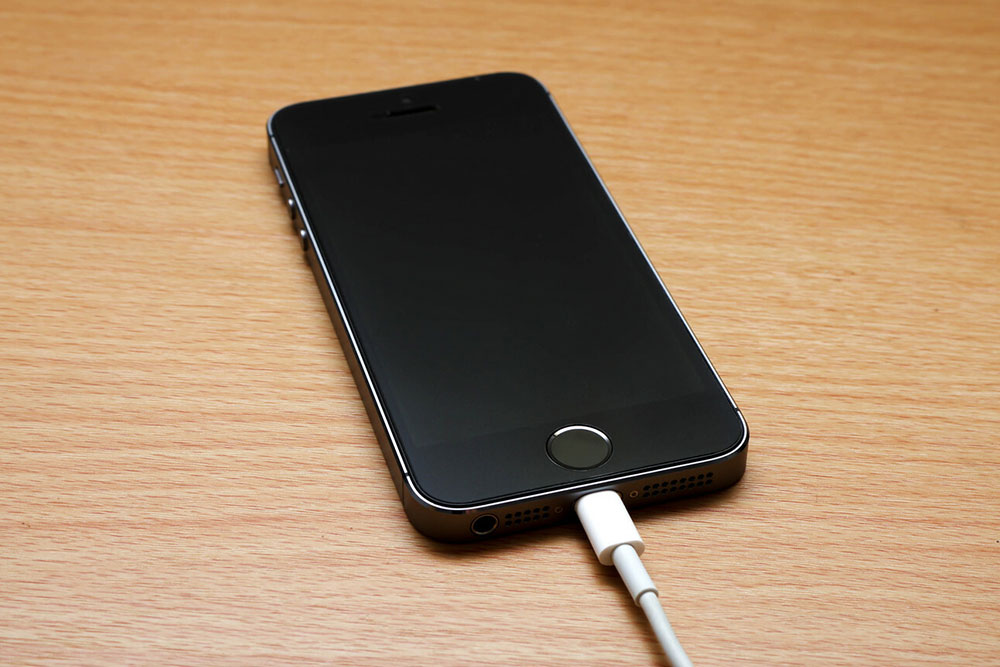
Apple’s iPhone holds pride of place for innovation and refined design. Every new launch event is promptly followed by the public rushing to the stores to get their hands on the newer models. Yet, before making the commitment to purchase one, there are several vital aspects to consider. This article provides a checklist for potential buyers, detailing crucial factors to ensure that one’s decision to invest in an iPhone is a well-informed one.
Consider the budget
When venturing into the realm of iPhones, one of the foremost considerations is the budget. iPhones come in a range of models, each with varying price points. While the latest flagship models boast cutting-edge technology and features, they often come with a premium price tag. However, it’s worth noting that Apple typically releases new models annually, which leads to price drops for older versions. For individuals looking for a more cost-effective option, purchasing a slightly older model can provide exceptional value without compromising on quality. This approach allows buyers to enjoy the core benefits of an iPhone while keeping costs in check.
Evaluate storage needs
Storage capacity is a pivotal factor when choosing an iPhone. The options typically range from 64GB to 512GB, offering a wide spectrum to cater to diverse user needs. For example, higher storage capacities are recommended for individuals who capture an abundance of photos and videos or frequently download large applications. On the other hand, for individuals who primarily use their devices for essential functions like calls, messaging, and light app usage, a lower storage capacity might suffice. It’s prudent to assess one’s digital lifestyle and habits to determine the optimal storage capacity that aligns with usage patterns.
Choose the right model
Selecting the appropriate iPhone model is a critical decision, as each model is tailored to different user preferences and requirements. For instance, if photography is a priority, newer models with advanced camera technology may be a wise choice. Similarly, for power users who demand high processing speeds and extended battery life, the latest models equipped with advanced processors and battery optimizations would be more suitable. Conversely, if an individual’s usage is more casual and centered around everyday tasks, older models may still offer a seamless and efficient experience at a more budget-friendly price.
Check for iOS compatibility and updates
Staying abreast of the latest software developments is essential for optimizing an iPhone’s performance and security. Different iPhone models have varying capacities to support the latest iOS updates. Opting for a model with robust compatibility ensures that one can leverage the full spectrum of features and functionalities offered by Apple’s operating system. Furthermore, frequent updates are vital for safeguarding the device against emerging security threats and ensuring that the users have access to the latest applications and services.
Consider carrier and network compatibility
Before finalizing an iPhone purchase, it’s imperative to ascertain that the chosen model is compatible with one’s preferred carrier and network. Different iPhone models are designed to work optimally with specific carriers, so verifying the compatibility is essential for uninterrupted calls, smooth data usage, and fast internet speeds. This step prevents potential inconveniences and ensures that one makes the most of their chosen carrier’s services. It’s a prudent practice to consult with the carrier or Apple’s official website to confirm compatibility before making the final purchase.
Note warranty, AppleCare, and insurance
Protecting an investment is a prudent step in any substantial purchase, and iPhones are no exception. Apple offers various options for warranty and insurance coverage, each tailored to different user needs. The standard warranty provides coverage for hardware repairs, but for extended support and additional benefits, AppleCare is a recommended add-on. Additionally, considering third-party insurance options can offer a more comprehensive coverage plan, including protection against accidental damage, loss, or theft. Weighing the cost against potential benefits ensures that an individual has a safeguard in place for unforeseen circumstances.
Research additional features and accessories
Beyond the core functionalities, iPhones boast a plethora of additional features that enhance the user experience. Features like Face ID and Touch ID offer enhanced security and convenience, allowing seamless authentication and unlocking. Moreover, considering compatibility with accessories can further elevate the iPhone experience. Whether it’s high-quality earbuds for immersive audio or external lenses for photography enthusiasts, exploring the accessory ecosystem can help tailor one’s iPhone to their unique preferences and needs. Additionally, one must consider any existing accessories one may have, such as AirPods, Apple Watch, or HomeKit-compatible devices, and ensure they are compatible with the chosen iPhone model.
Check the battery life and usage patterns
The battery life of an iPhone is a crucial consideration, especially for users who rely on their device throughout the day. One must evaluate one’s typical usage patterns to determine the battery capacity one requires. If one is frequently on the go or engages in activities that demand extended battery life, one may want to opt for a model known for its robust battery performance. Additionally, one should consider features like fast charging and wireless charging, which can enhance convenience and ensure that one can quickly recharge one’s device when needed.
Factor in camera capabilities
The camera capabilities of an iPhone are a significant factor for many users. Apple consistently advances its camera technology, offering features like multiple lenses, advanced image processing, and innovative shooting modes. Assess the photography needs and preferences to determine which iPhone model aligns with expectations. If photography is a primary focus, consider models known for their exceptional camera capabilities, such as the latest Pro or Pro Max models, which boast cutting-edge camera systems with impressive low-light performance and professional-grade features.
Check the privacy features
Apple places a strong emphasis on user privacy. Investigate the specific privacy features offered by the iPhone model one is considering, such as app permissions, tracking prevention, and data encryption.
Note the environmental impact
Apple has made a commitment to reduce its environmental impact. One must research the device’s environmental credentials, such as its use of recycled materials and energy-efficient manufacturing processes.
Look for availability of repairs and service providers
Finally, one must consider the availability of Apple Stores or authorized service providers in the usage area. This can impact the ease and speed of repairs or maintenance should the need arise.