13 foods that relieve ulcerative colitis flare-ups
Ulcerative Colitis (UC) is a chronic Inflammatory Bowel Disease (IBD) that can develop at any age. Although the cause of UC isn’t clear, experts think factors like genes, abnormal immune reactions, the gut biome, and environmental factors play an important role. To manage UC, one must identify and eliminate foods that trigger symptoms. Although there is no single recommended nutritional plan for people with the condition, the following foods may help manage the condition:
- Salmon
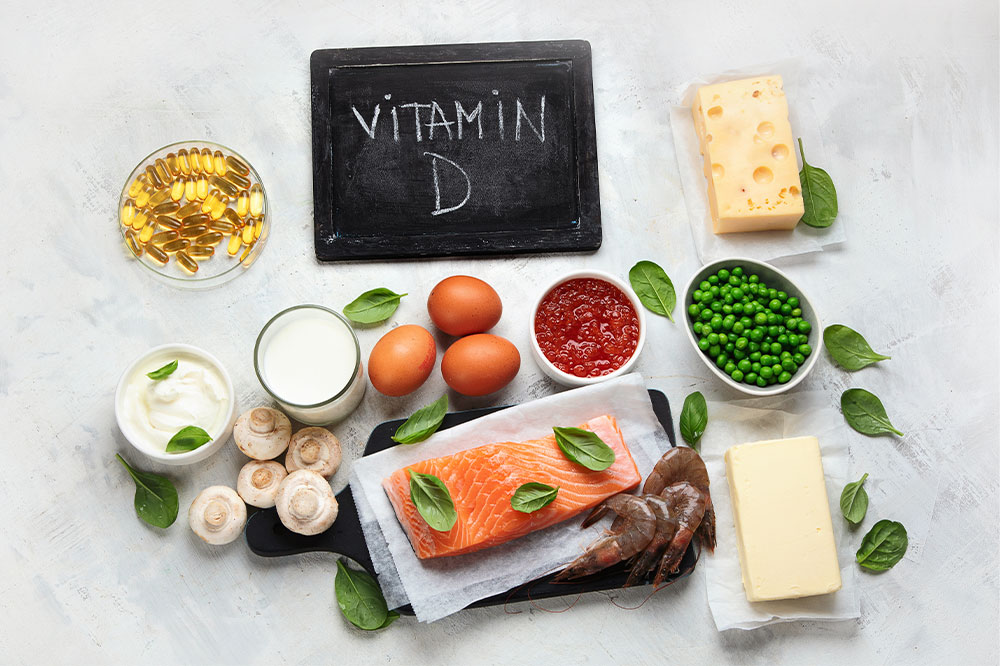
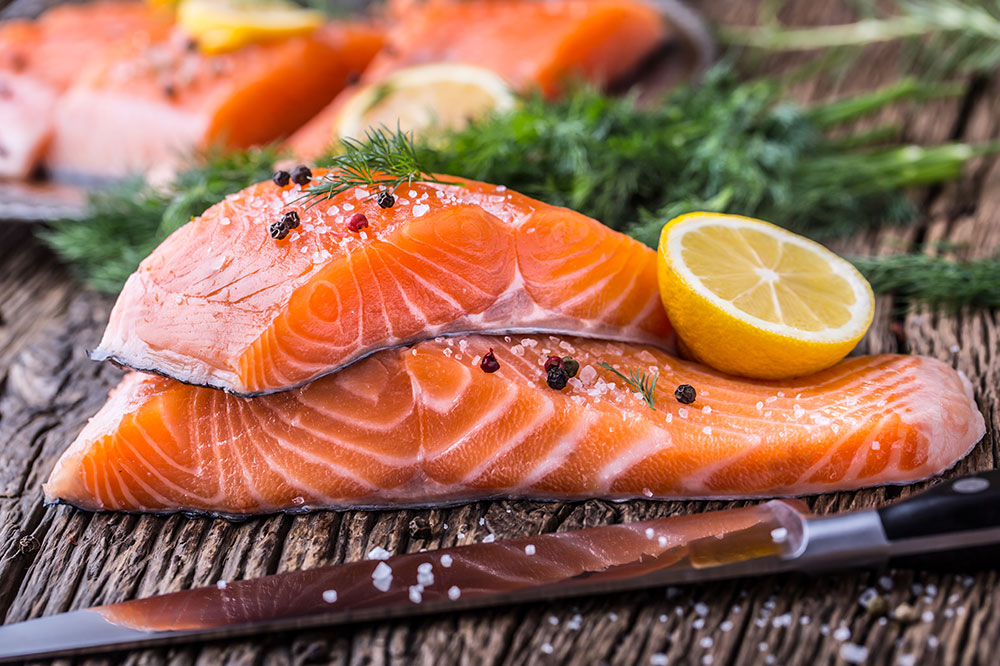
Fatty fish like salmon are an excellent source of omega-3 fatty acids and protein. The fatty acids can help reduce inflammation one experiences with UC, while the protein can help during healing. When cooking salmon, it is advisable to bake, broil, or saute it, instead of frying, to ensure it keeps its nutritional value. Other rich sources of omega-3 fatty acids include tuna, shrimp, and mackerel. - Yogurt
Yogurt is a rich source of probiotics that contain gut-healthy bacteria. They can help in the digestive process, strengthen the immune system, and ease the symptoms of UC. Since yogurt is made from milk, it is also a rich source of calcium and can protect the bones against conditions such as osteoporosis. When buying yogurt, opt for plain, unsweetened yogurt. This can be adjusted to taste with some honey or canned fruit for a healthy and delicious snack.
Those who are lactose intolerant must avoid dairy products, as they may cause gas, bloating, cramping, and diarrhea, worsening the symptoms of UC. Instead, opt for other probiotic-rich foods like miso, sauerkraut, and kefir. - Squash
For those who live with UC, all squash varieties (butternut, spaghetti, zucchini, and acorn) are healthy choices, as they contain fiber and antioxidants like vitamin C and beta-carotene. Due to the rich fiber content, they must not be eaten during flare-ups, only during periods of remission. Squash is a versatile food that can be turned into soups, roasts, mash, or even into noodles. To make it more digestible, it is advisable to peel and cook it until soft. - Eggs
Eggs are a rich source of protein, B vitamins, and antioxidants like selenium, and they are easily digestible, making them a healthy food option for people with UC. Look for eggs that are fortified with omega-3 fatty acids for added nutrition. One can enjoy eggs scrambled, hard-boiled, or in the form of an omelet with added vegetables. - Avocados
Many people with UC may find it enough to manage daily caloric intake. Avocados are a nutrient and calorie-dense food that can help with these problems, as they are filled with heart-healthy monounsaturated fats. Due to its creamy consistency, it can be used as an alternative to mayo in sandwiches or added to an omelet or salad. - Olive oil
Olive oil is another excellent source of monounsaturated fats and can help reduce inflammation during a UC flare-up. It can also help lower cholesterol, balance blood sugar levels, and manage digestive problems. - Applesauce
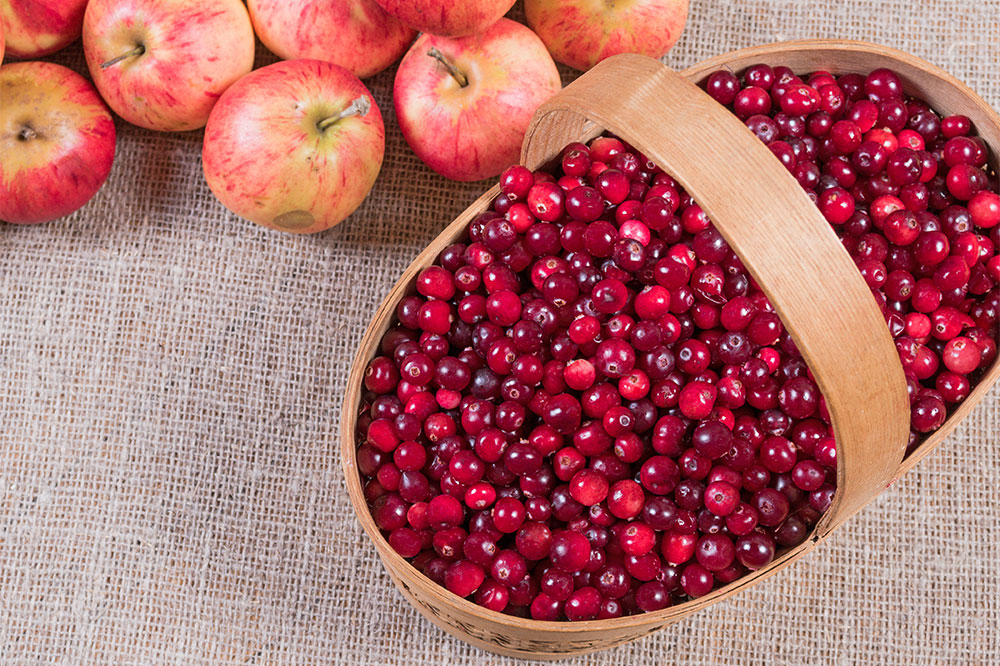
Apples are a great source of vitamins and minerals but may be difficult to digest during a UC flare-up due to their fiber content. Consuming them in their processed form as applesauce can help. Applesauce is soft and easy to digest and can be a comforting food option during a flare-up. Look for unsweetened varieties of applesauce, or make some at home by cooking and pureeing peeled and sliced apples. - Oatmeal
Instant oatmeal contains less fiber in comparison to steel-cut oats and can be easy to digest, especially during a flare-up. It is also quick and easy to cook and serve, making it a reliable option. When purchasing, look for plain or low-sugar alternatives, and then season to taste with cinnamon or fruit puree. - Lean meats
According to the Crohn’s and Colitis Foundation, one may need to increase their protein intake during or after a flare-up. Healthy protein sources at this time include cuts of lean meats such as skinless poultry, pork loin, beef top loin, sirloin, and roasts, as they have a low-fat content. - Nut butter
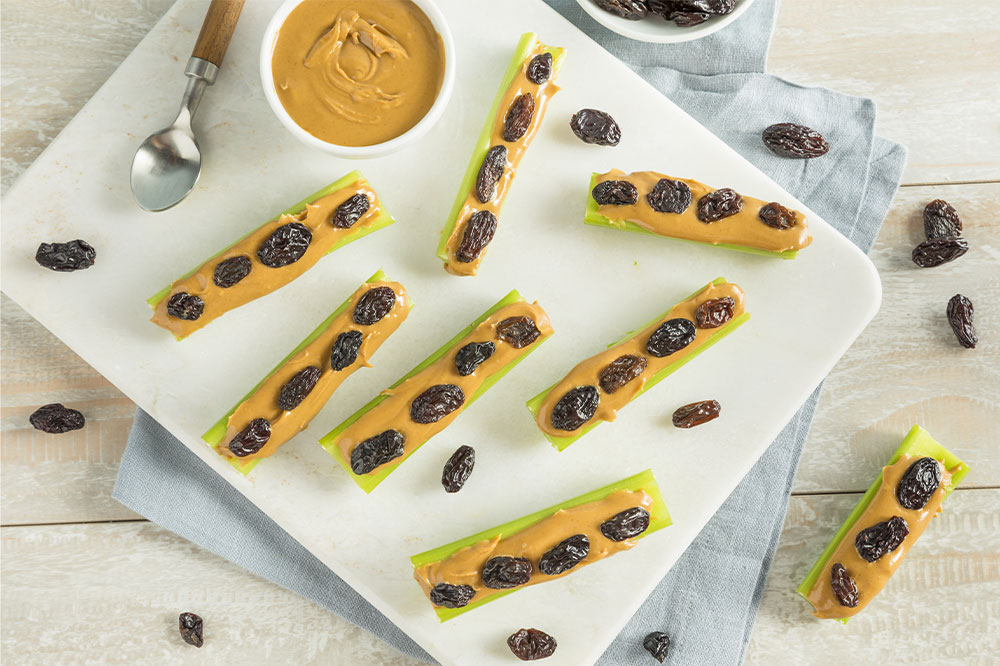
Creamy nut butter is a great source of protein and healthy fats. One can opt for peanut butter, almond butter, cashew butter, etc. Always look for creamy varieties, as the chunks may irritate the digestive system and worsen symptoms. Nut butter can be consumed with low-fiber or refined bread, tortillas, or saltines. - Cooked vegetables
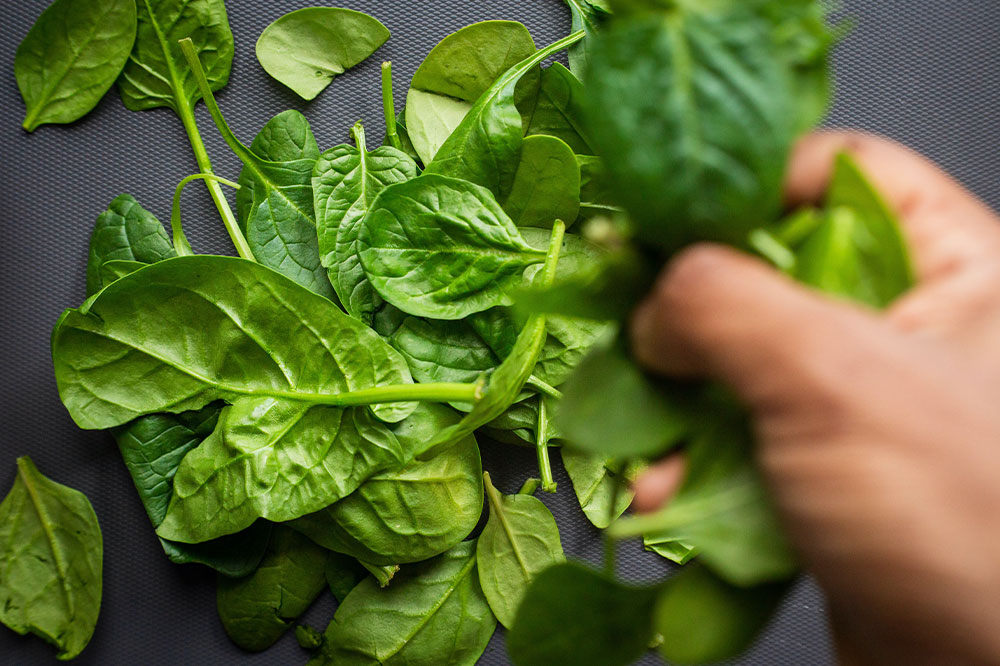
Raw vegetables may irritate the gastrointestinal tract during a flare-up. Instead, cooking vegetables like carrots, spinach, and asparagus, until soft, can break down the fiber while still providing one with a healthy dose of vitamins A and K. Ensure that the vegetables are properly cooked and can be mashed with a fork before ingestion. - Canned fruits
Raw fruits are a rich source of fiber, which can worsen symptoms during a UC flare-up. Instead, opt for canned fruits, such as pears or peaches that have been packed in water or their own juices, for an easy and delicious snack. - White flour
Whole-grain foods like bread and pasta can be difficult to digest during a UC flare-up due to their high-fiber content. At this stage, foods made from refined white flour, such as white bread, noodles, crackers, cereals, and pasta, may be better suited to keep one full. One may also opt for other carbohydrate options such as boiled white rice or potatoes.
Ulcerative Colitis is a chronic disease that does not have a one-size-fits-all meal plan. One must adjust their meals according to what best suits their health and nutritional requirements. To do so, use a food journal to help track what one can and cannot tolerate. Additionally, work with a nutritionist to curate a personalized low-residue plan that can help minimize UC symptoms such as abdominal pain and diarrhea and ensure that one gets the right amount of nutrients daily.