13 common bathroom cleaning mistakes to avoid
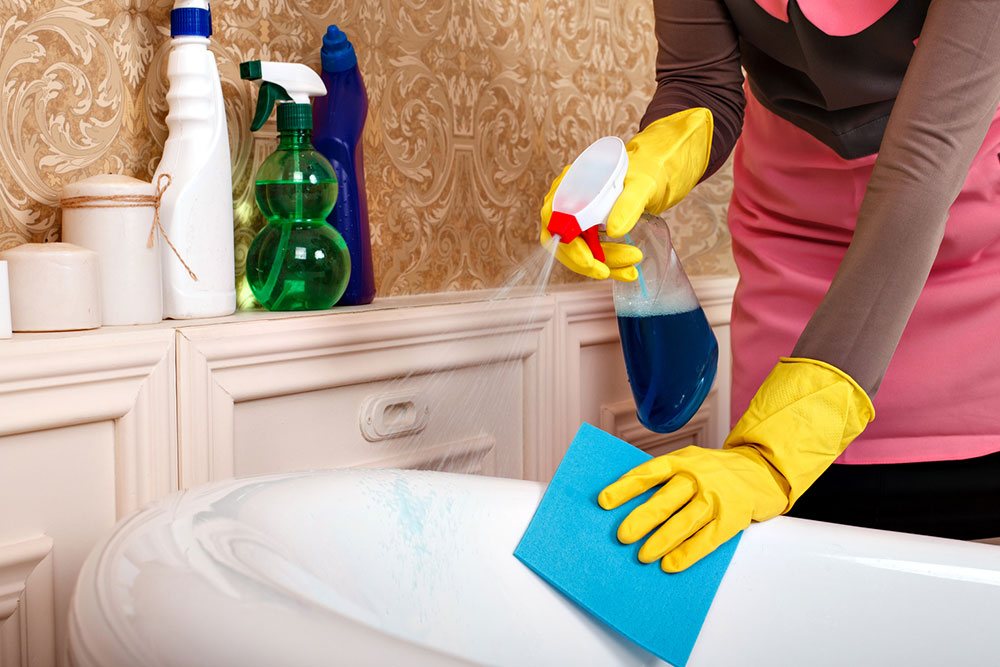
Cleaning the bathroom is an arduous chore most people would rather avoid. Yet, it’s necessary to maintain a hygienic and pleasant living environment. Unfortunately, many people make mistakes when washing the bathroom. These mistakes complicate the job and even reduce cleaning efficiency, increasing the risk of spreading infections and diseases. This comprehensive guide lists these common mistakes and provides a few practical solutions to avoid repeating them in the future.
Neglecting regular cleaning
Maintaining good hygiene is a continuous task, especially when multiple family members share a washroom. These areas accumulate dirt, grime, and bacteria quickly with repeated use. Failing to sanitize them regularly allows common contaminants to build up, making cleaning more challenging in the long run. The best solution is to follow a cleaning schedule and tackle bathroom cleaning at least once a week.
Not ventilating properly
Bathrooms should have proper ventilation to prevent gases and odors from accumulating when one uses the facility. Improper ventilation can lead to the growth of mold and mildew, pathogens that thrive in unclean, humid environments. The spores released by these tiny organisms can harm one’s health. Persistent growth can also leave the bathroom surfaces discolored. One should switch on the bathroom fan or open a window after using the facility to prevent moisture and gases from accumulating. It’s also a good idea to leave the bathroom door open briefly to air out the space.
Using harsh chemicals
Bathroom tiles and fittings are made with materials that are not very resistant to harsh cleaning compounds. While it’s essential to use cleaning products to maintain hygiene, harsh solutions can erode surfaces and release fumes that pose health risks. Common mistakes include using bleach on colored grout or mixing different cleaning products. It’s better to opt for a mild, eco-friendly cleaner that is safe for regular use. Scan the product labels for harmful ingredients and follow the instructions for use.
Ignoring grout lines
Tile grout is often neglected during bathroom cleaning, which is a big mistake. Over time, grout can become discolored and harbor mold and mildew. So, regularly scrub grout lines with a soft brush using a simple homemade mixture of baking soda and water. For tough stains, consider using a specialized grout cleaner available in a concentrated form at the nearest supermarket. Follow the instructions to dilute the cleaner and apply as advised.
Using the same cloth for all surfaces
Never use the same cloth on every surface. The fabric can collect bacteria, dust, grime, and mold from one surface and transfer everything onto another. This causes the germs and infection-causing microorganisms to spread, rendering the cleaning process ineffective. Always use separate cloths or disposable wipes for different surfaces, such as countertops, toilet seats, and mirrors. Wash these items thoroughly after each use.
Neglecting hidden areas
Hidden and less accessible bathroom areas, such as the wall behind the toilet and under the sink, are often overlooked during cleaning. These areas can accumulate dust, dirt, and grime, so it’s important to scrub and disinfect them regularly. Use a long-handled brush or an extendable duster to reach difficult-to-access areas. If possible, apply cleaners that eliminate the odor and bacteria accumulated over these surfaces.
Letting cleaning products sit too long
Cleaning products are formulated with extremely harsh chemicals. Allowing them to sit for too long can damage or discolor bathroom surfaces. The cleaner may also become less effective in removing stains and grime if left for an extended period. Always follow the recommended usage guidelines printed on the product label before scrubbing or wiping the surface clean.
Neglecting toilet bowl cleaning
The toilet bowl and seat are the most critical areas in the bathroom to clean. Sadly, they are often overlooked or not washed thoroughly. Neglecting toilet cleaning can lead to unpleasant odors and health hazards. Use a toilet bowl cleaner and a toilet brush to clean both the bowl and the exterior regularly. Pay special attention to the areas under the rim and around the base.
Overusing water
Using too much water during cleaning can not only be wasteful but also result in water damage if it seeps into cracks or the underflooring. Use water sparingly and wring out cleaning cloths or sponges to avoid excessive moisture. Dry out any excess water on surfaces promptly.
Scrubbing too aggressively
While scrubbing is necessary for removing stains and grime, too much force can damage bathroom surfaces, especially delicate ones like acrylic or fiberglass. Scrub gently and use proper cleaning tools for different surfaces. Let cleaning products do the work for tough stains instead of using excessive force.
Not cleaning shower curtains and liners
Shower curtains and liners accumulate soap scum, mold, and mildew if not cleaned regularly. Wash them in the washing machine with a mild detergent to eliminate mold and mildew.
Forgetting to clean bathroom accessories
Items like toothbrush holders, soap dishes, and shower caddies can harbor germs and grime if not cleaned regularly. Include these accessories in the regular cleaning routine. Wash smaller accessories with warm, soapy water and rinse them individually.
Not maintaining fixtures
Surfaces apart, multiple bathroom fixtures and furnishings can harbor bacteria and mold, making them unsanitary to use. Faucets, handles, and knobs can become covered in fingerprints and water spots, detracting from the overall cleanliness of the bathroom. Wipe these fixtures regularly with a damp cloth or a mild cleaning solution to keep them polished and clean.
Maintaining a clean and hygienic bathroom is essential for good health and a comfortable environment. Regular maintenance and attention to detail are key to keeping the space in top condition. Not cleaning the bathroom regularly can make the chore more tedious later on and lead to unnecessary expenses.