11 period mistakes to avoid for better health and hygiene
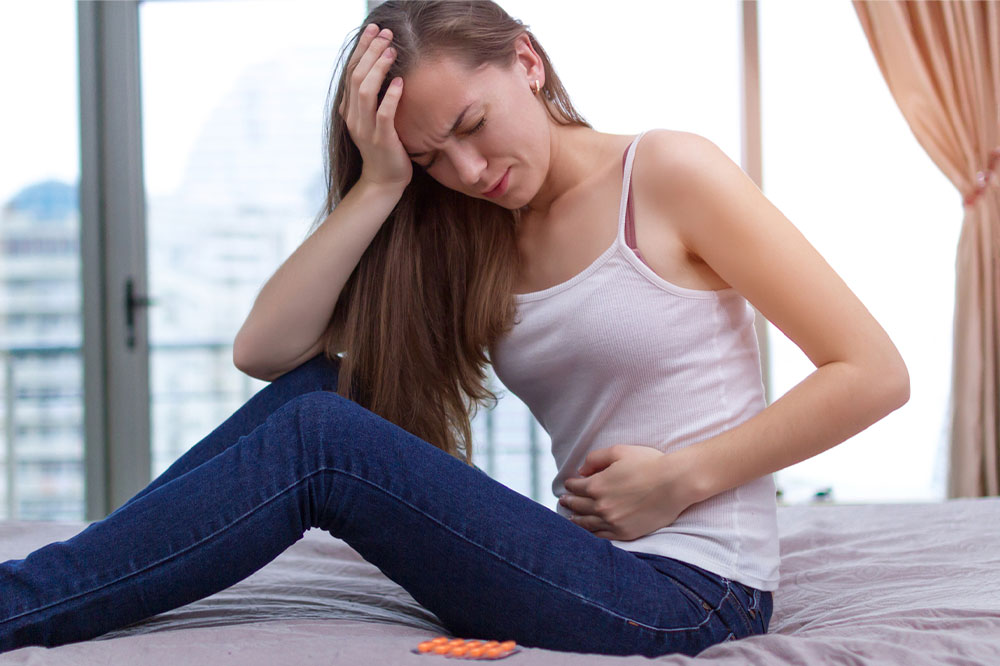
Periods tend to be synonymous with menstrual pain, cramps, and other symptoms and are a hassle for almost every individual who menstruates. Approximately 80% of menstruating individuals experience period pain at some point. Period management involves several effective strategies and home remedies to alleviate discomfort and ensure hygiene and safety during this time. In addition, being aware of certain common period mistakes can help ensure a more hassle-free menstrual cycle:
Changing pads and tampons infrequently
Tampons and pads are a hotbed for the accumulation of bacteria, regardless of the amount of flow. Such bacteria can cause vaginal and urinary infections and emit an unpleasant odor. Individuals with normal blood flow should change their pads or tampons once every 3-4 hours, while those experiencing heavy menstruation should do so more frequently.
Being dehydrated
The body loses more fluids during menstruation than on other days. Thus, it requires more water to perform various functions, including regulation of body temperature and bowel movements, lubrication of joints, and supply of oxygen and nutrients to cells. Lack of water intake can slow down these functions, increasing weakness and fatigue. It is advisable to have a bottle of water handy throughout the day and set reminders if required to take water breaks frequently during one’s period. One may also incorporate other healthy fluids, such as fresh fruit juices, smoothies, soups, and herbal tea, into one’s meal plan to stay hydrated.
Using scented pads or tampons
While scented pads and tampons may seem like an idea to avoid unpleasant odors, these can cause extreme discomfort, itching, and irritation. Moreover, these products alter the vagina’s pH balance, causing issues like yeast infections and bacterial vaginosis. It is best to steer clear of scented menstrual products, using only regular pads and tampons, to avoid menstrual complications.
Not having nutritious foods
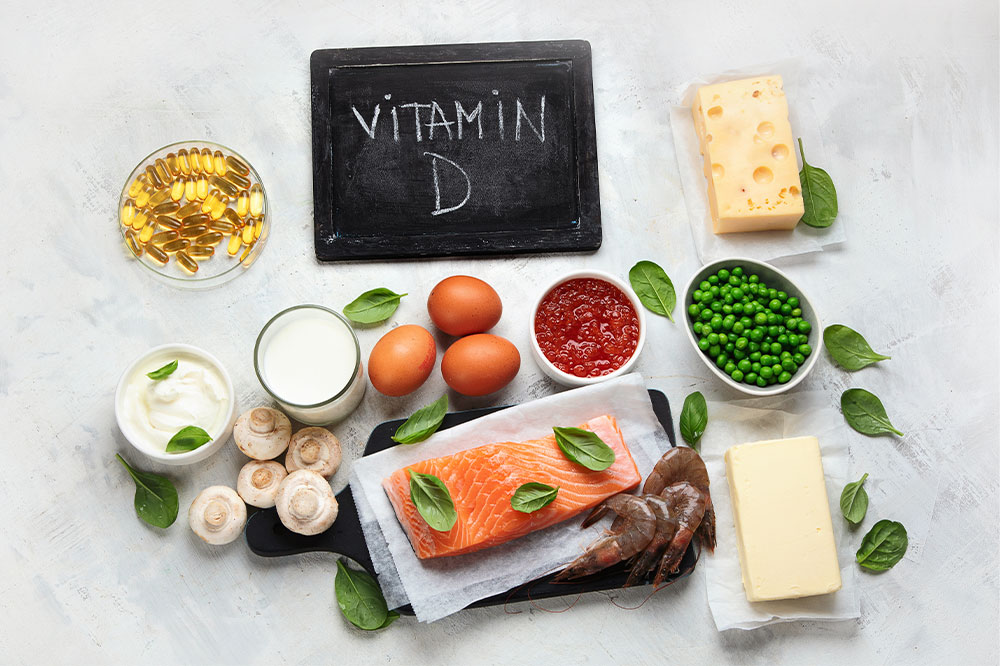
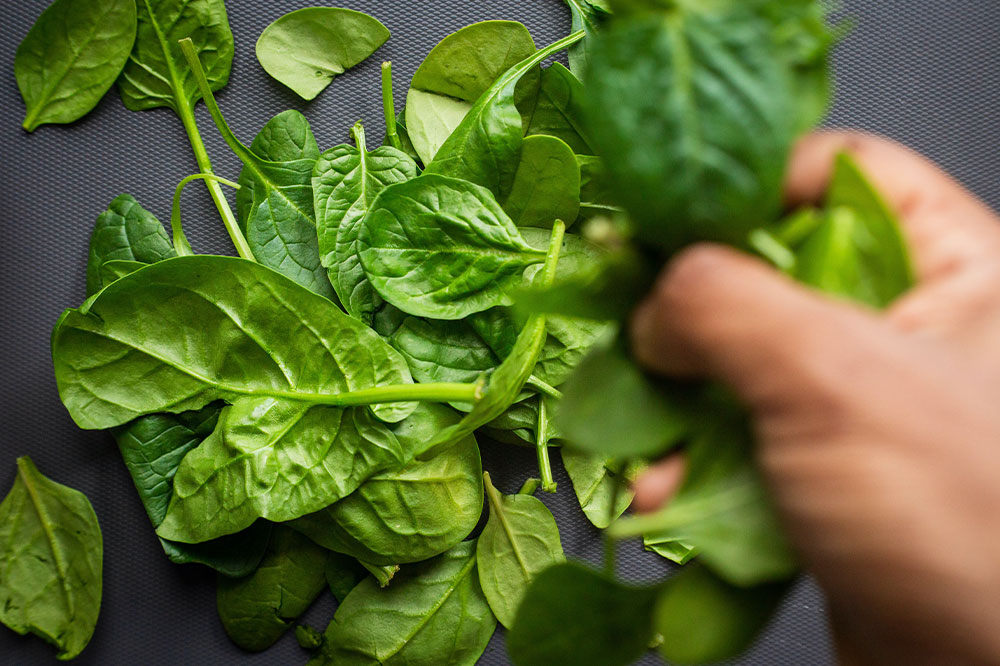
Although period cravings are quite common among individuals who menstruate, it is best to limit junk foods during one’s menstrual cycle, as the body loses vital nutrients through period blood. Foods like burgers and fries are typically loaded with preservatives, trans fats, and sodium, which can cause hormonal imbalance and impact one’s menstrual cycle. Thus, it is important to replenish the body with rich sources of iron and other nutrients, particularly during menstruation. Some foods that the body requires during periods are leafy greens, cruciferous vegetables, fatty fish, yogurt, whole grains, eggs, dates, and nuts.
Not using condoms during intercourse
A common mistake by couples is to avoid using condoms during sexual intercourse when one of the partners is menstruating. Contrary to popular belief, sexual intercourse during periods can also lead to pregnancy. Further, couples are more at risk of developing sexually transmitted diseases during such times, therefore, it is advisable to use condoms and practice safe sex during the menstrual cycle.
Sleeping insufficiently
Lack of sleep affects melatonin levels in the body. Melatonin is responsible for regulating the start and duration of one’s menstrual cycle. Therefore, insufficient sleep can severely affect the menstrual cycle. Conversely, several individuals report difficulty sleeping during their periods. A survey conducted by the U.S. National Sleep Foundation suggests that 30% of individuals experience disturbed sleep while menstruating. Some ways to ensure better sleep during menstruation include investing in a comfortable mattress, staying away from gadgets before bedtime, and avoiding caffeinated beverages, particularly after sunset.
Not keeping track of one’s cycle
A common misconception is that one needs to track their period cycle only when trying to get pregnant. However, tracking one’s menstrual cycle helps diagnose various health issues, including polycystic ovary syndrome, and understand one’s moods and hormonal changes better. Today, several period-tracking apps are available to help individuals keep track of various aspects associated with their periods, including their physical, mental, and emotional states.
Not maintaining basic hygiene
Basic hygiene measures are imperative at all times but more so during one’s period. While most menstruating individuals wash their hands after changing pads or tampons, many forget to do so before changing these menstrual products. This practice is equally essential to avoid any bacteria from coming in contact with the vagina. Other hygiene practices to follow during menstruation include washing the labia and outside of the vagina every day and wiping one’s genitals from the front toward the back. One must remember to clean the vagina only with water, avoiding the application of soap in the area.
Staying constipated during periods
The body experiences a surge in progesterone levels just before the start of one’s menstrual cycle. Such an increase in progesterone can slow down one’s digestion, often giving rise to constipation. Although progesterone levels start to diminish once again during menstruation, the digestive system typically requires some push to resume its functions effectively. Constipation during periods can worsen bloating, cramps, and discomfort. Thus, it is essential to have foods rich in insoluble fiber, such as whole grains, bran, potatoes, vegetables, and beans, and drink plenty of water to avoid constipation during one’s menstrual cycle.
Not being physically active
Light exercises during menstruation can help control its negative effects, in addition to enhancing mood and facilitating overall physical and mental well-being. However, since most individuals experience fatigue and abdominal pain during this time, it is advisable to avoid high-intensity exercises, switching to moderate and low-intensity ones like walking, jogging, and moderate-intensity aerobics.
Not understanding what each period color indicates
One’s period color can be an indicator of overall health and can help detect different health conditions. For instance, gray period blood typically indicates vaginal infection, while dark brown blood can be an early sign of pregnancy. It is important to identify any abnormalities in period-blood color and consult a gynecologist at the earliest to prevent further complications.