11 common home repair and maintenance mistakes to avoid
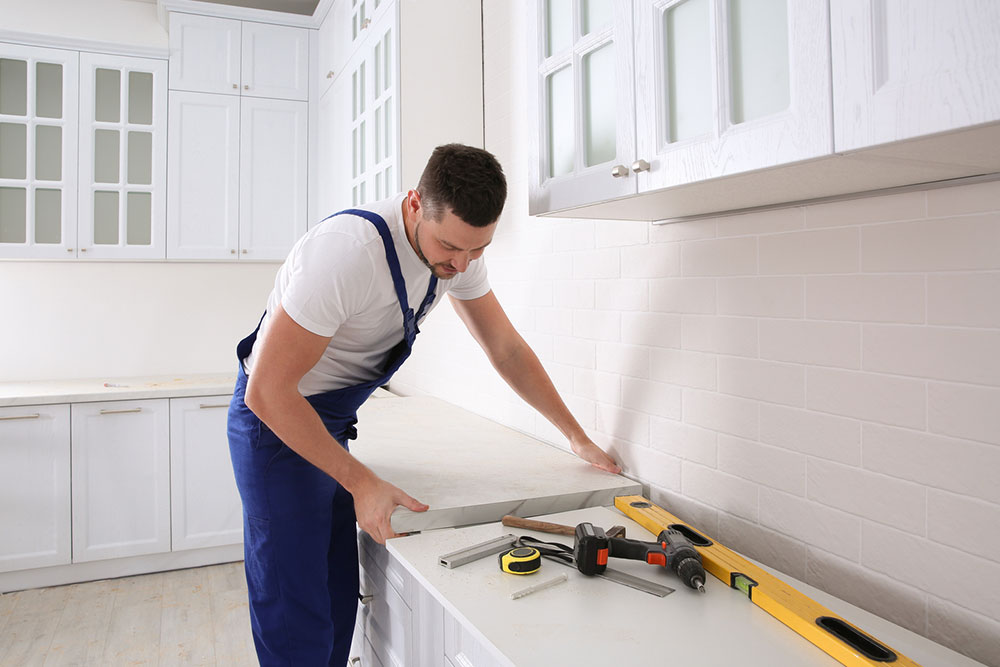
Home maintenance is an ongoing task. Falling behind on HVAC systems’ maintenance, appliance maintenance, and even plumbing can require a complete replacement. One of the best ways to maintain a home and its structural integrity is cleaning things and repairing them at the first signs of wear, but aside from neglecting the same, people can make several mistakes when caring for their home. So, here are eleven common home repair and maintenance mistakes to avoid.
Not winterizing
Many homeowners forget about winterizing, a crucial step in maintaining their property. Winterizing is taking preventative measures to protect the property against damage that freezing temperatures can cause. Tasks like insulating pipes to prevent them from freezing and bursting, clearing gutters and downspouts to ensure proper drainage, sealing windows and doors to prevent drafts, and servicing heating systems to ensure they function efficiently during the colder months are all part of the winterizing process. Winterizing a home or property helps prevent costly damage and ensures the comfort and safety of occupants during months when the area sees freezing temperatures.
Not addressing water damage
One of the biggest lapses in maintenance is not addressing water damage immediately. When spaces like bathrooms aren’t kept dry, water damage and mold can affect them and further penetrate the structure, resulting in costly repairs or even complete replacements. One of the main indications of water seeping into the structure is stains and watermarks on the ceiling or walls. This is usually a sign of either a pipe leak in the house, problems with the roof, or old caulking that’s allowing water to seep into places from high-moisture areas. Getting a professional plumber to find the root cause should be the immediate plan of action.
Not changing AC/furnace filters
Clean air filters in good condition can help one save money on electricity bills. This is because the system to heat or cool the house won’t have to work as hard, resulting in lower energy bills. The filters should be cleaned every couple of months and replaced at least twice a year to keep the HVAC system running efficiently.
Overusing power washing
Maintenance doesn’t only include repairs or replacing. Cleaning regularly is also a huge part of maintenance, and while power washing can get grime and mud cleaned out in no time, using it carelessly could damage the masonry. High water pressure can damage bricks and aluminum siding and even cause the stucco to crumble. It’s important not to get too close to the surface one is trying to clean and to keep the nozzle at least 6 inches away.
Not cleaning the gutters regularly
Clogged gutters tend to leak water into the home’s foundation, and this could slowly weaken it over time. Going into the next season with clogged gutters is a complete no-no. Not cleaning gutters regularly allows twigs, leaves and debris to collect and block water from flowing freely and is a home maintenance mistake that must be avoided.
Neglecting windows
Windows should be maintained and cleaned regularly to ensure that they function properly. If one struggles to open the windows, notices rot on the corners, or can feel a cold draft when passing it, it may be time to repair. All the clean filters in the HVAC system cannot reduce the energy bill if the windows can’t prevent cold air from entering the house.
Improper yard work
Letting trees grow unpruned and unchecked can be a safety hazard. Storms and inclement weather can cause branches to snap off and damage the house. Maintaining tree and shrub height and checking for poisonous or parasitic wild plants is absolutely necessary for proper home maintenance.
Using the wrong tools
While DIYs to repair and carry out routine maintenance work around the house sounds like a money-saving decision, it could end up costing much more. Using the wrong tools can end up damaging what needs to be fixed. Not taking care and using safety measures when carrying out repairs with power tool is also a common home repair and maintenance mistake one should avoid.
Not deep cleaning
Keeping a regular schedule to clean out appliances, fans, bathrooms, the loft, the basement, and high-traffic areas in the house is necessary to ensure that issues don’t fall through the cracks (pun intended). Having a seasonal maintenance checklist can help immensely in ensuring that every part of the house gets a regular onceover.
Not using appropriate cleaning products
There’s no one-size-fits-all in cleaning products, so one should not use the same products for all cleaning needs. The stuff that gets the grime off the fan may not be the best one to clean the oven with! Using incorrect cleaning agents and scrubbers or making use of excessive cleaning products can damage the appliances or the paint and luster of the objects being cleaned. So, selecting the correct cleaning agents for different surfaces is imperative.
Overusing duct tape
For a quick fix, duct tape works wonders, but that cannot be one’s go-to solution all the time. It’s not a permanent solution and, as such, should not be treated as one. Temporary repairing items with duct tape is acceptable so long as the next step is a call to a professional to inspect the issue. Leaving duct tape on for too long can result in a sticky residue marking the surface, the issue worsening, and the need for a complete replacement of the product or area.