10 things to consider before buying an engagement ring
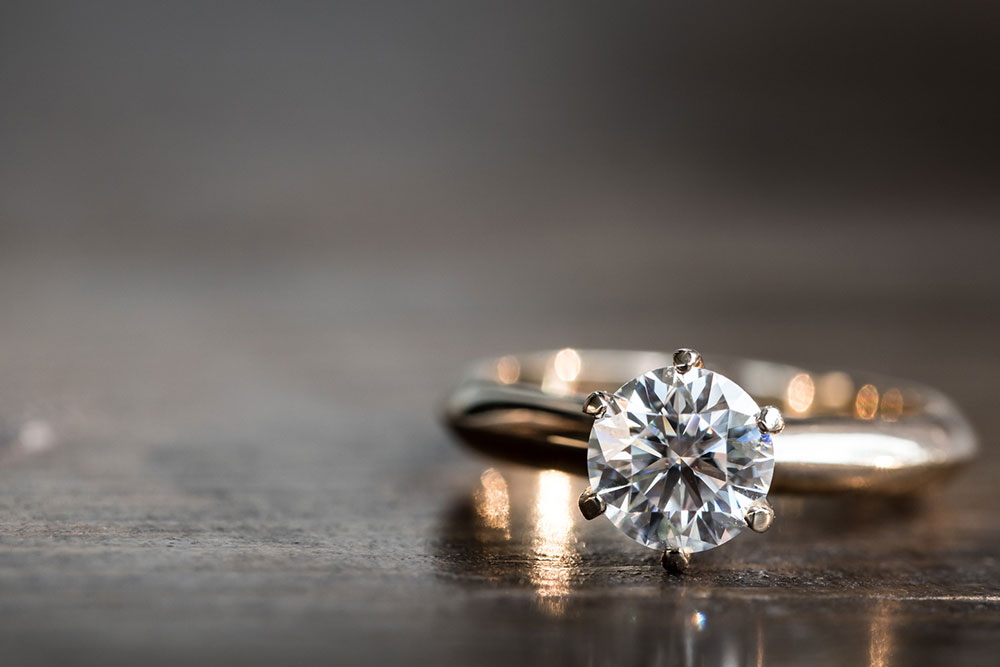
A proposal is an unforgettable occasion and a core memory for every couple. The partner who chooses to propose must plan and execute it to perfection. Whether they plan an elaborate, intimate, or personal proposal, the ring is always the centerpiece of an engagement ceremony. The rings are the first step toward formalizing a relationship, as an engagement ring is not just a piece of jewelry; it is a symbol of commitment.
Importance of an engagement ring
An engagement is a symbolic ceremony where a couple formalizes their relationship before a more elaborate marriage ceremony. It carries a lot of sentimental value for both partners. Traditionally, a woman often wears an engagement ring until the wedding ceremony, when the wedding ring replaces it. However, no specific rules exist now regarding who should wear them and when and how long one should wear them. Many continue to wear their engagement rings along with their wedding rings. Some may repurpose them as pendants or chains and wear them as necklaces with immense sentimental value. Many leave their engagement rings to their children as heirloom jewelry that is to be treasured by many generations.
Tips for buying the right engagement ring
The ring choice is a personal decision made by the couple or the person who plans to propose. But without a plan, shopping for one can be overwhelming and disappointing. Here are some things that one should know before buying an engagement ring:
1. Get the perfect finger measurement
If one plans the proposal as a surprise, it is crucial to get the ring size right without them knowing. One can measure the circumference of their partner’s finger when they are asleep using a string or a piece of wool. One can also use any of their other rings as a guide to trace the finger size. The jeweler will be able to get the correct ring size by using a sample ring. If one is planning a formal engagement ceremony, one can discuss and decide on the budget and ring type and find the right size for the jewelry using a ring sizer.
2. Know the partner’s preference
One must know their partner’s preferences and tastes and how they feel about expensive jewelry. The ring should also match their personality, character, and taste. Note their responses to jewelry commercial comments abou t other rings, observe their preference towards the type and style of jewelry they usually wear, and choose a ring accordingly.
3. Choose the right gemstone
Though diamonds are more popular, assuming they are the best for an engagement ring is cliche. Other precious and semiprecious stones symbolizing strong traits can also be perfect for an engagement ring. Choose hard stones that are durable and cannot crack or shatter easily. Other stones that one can consider for engagement rings include the following:
- Emerald
It is durable and makes stunning centerpieces. - Aquamarine
It is a hard, shiny, and durable stone that indicates tranquility. - Spinel
It is a hard stone that comes in multiple colors and symbolizes power and protection. - Sapphire
It is a hard stone, symbolizing loyalty. - Ruby
It is a hard stone that symbolizes love and passion.
4. Know which gemstones to avoid
Though there are no hard-and-fast rules about what stone is best for an engagement ring, experts advise avoiding soft and brittle stones that cannot be worn daily. A crack or shatter in an engagement ring could cause distress. Some stones one should avoid include opal, agate, topaz, turquoise, and moonstone.
5. Choose the right metal for the right stone
Once one knows what stone they want, they can research it, visit a jewelry store, or talk to a designer about what metal would be best for it. Most jewelry stores allow customization, and one can choose the stone, shape, style, metal, and threshold. The metal should also be suitable for everyday wear and bear the weight of the stone.
6. Learn about the different types and cuts of stones
The variety, types, sizes, and cuts of gemstones are endless. One should try to understand the differences rather than walking into a store and picking up the blingiest ring. The size, cut, shape, and setting could be overwhelming if one sees the entire range.
7. Fix a budget
One may see the rings, get carried away, and spend more than one anticipated. Keep the budget in mind while shopping to avoid overspending.
8. Decide if one wants couple’s rings
While traditionally only women wore engagement rings, it has become the norm in the past few decades for couples to wear matching engagement rings. New-age couples also choose different rings t hat complement each other to suit their personalities and tastes.
9. Do not be rigid in the choice of ring
When shopping for the ring, one may like other styles and stones that are starkly different from the ones one had in mind. Unless one has a reason for being fixed to a stone or a shape, be open to choosing something different from what one had planned.
10. Take help from a friend or family member
If one is still unsure how to choose a ring, get help from a friend or family member who knows one’s partner’s taste preferences and also knows something about jewelry. With useful insights from someone who knows one’s partner, one should be able to choose the right ring.